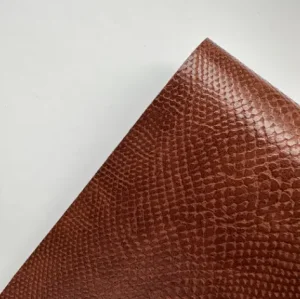
High-Performance OEM Synthetic Leather Collections
Engineered for mission-critical tensile resilience, tactile refinement, and strict decarbonization mandates across automotive, commercial seating, and high-fashion accessories.
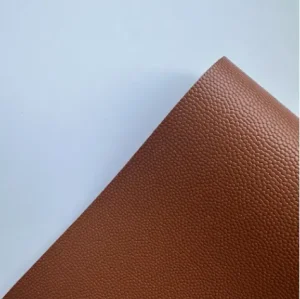
Wholesale Sustainable Eco-Conscious Synthetic Leather-9142
View Technical Details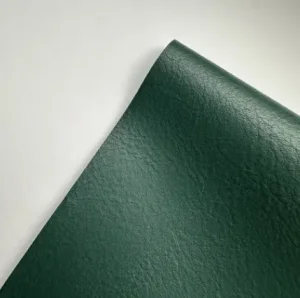
OEM Plant-Derived Bio-Based Synthetic Leather-9106
View Technical Details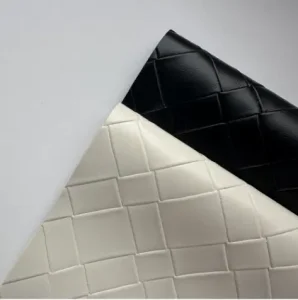
Custom Green Sustainable Man-Made Leather-9338
View Technical Details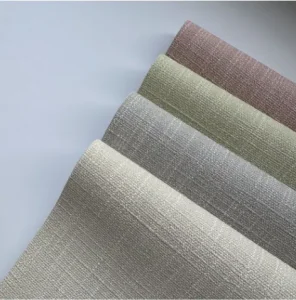
Wholesale Bio-Based Renewable Synthetic Leather-9384
View Technical Details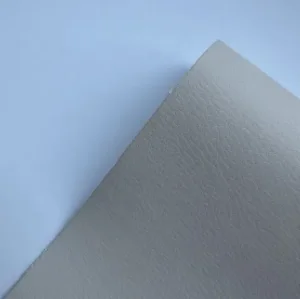
Wholesale RCS Verified Recycled Sustainable Synthetic Leather-2058
View Technical Details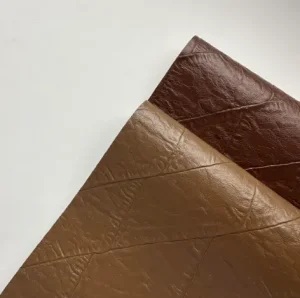
OEM Non-Toxic Vegan Eco Synthetic Leather-9266
View Technical Details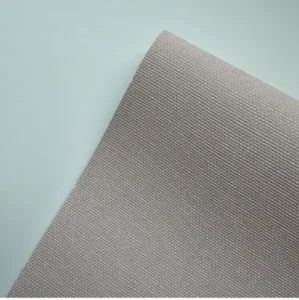
Custom Low Carbon Impact Eco Synthetic Leather-9362
View Technical Details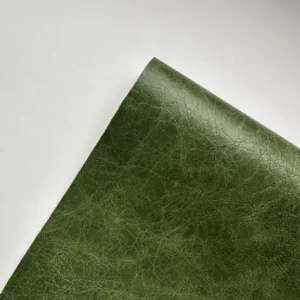
OEM Plant-Based Renewable Bio Synthetic Leather-9023
View Technical DetailsEngineering Structural Resilience: The OEM Synthetic Leather Evolution
A rigorous examination of synthetic leather polymers, from classical solvent extraction to zero-VOC waterborne matrices and circular chain-of-custody tracking.
Bio-Based Monomer Synthesis
Traditional PU depends on petroleum feedstocks. Our next-generation polyols substitute fossil carbon with renewable agricultural biomass—such as industrial corn and non-food castor beans. Certified through ASTM D6866 radiocarbon tracking, bio-content ranges from 30% to over 75%, vastly cutting life-cycle greenhouse gas emissions without sacrificing surface elasticity or flex cracking thresholds.
Circular RCS-Certified Recycled Systems
We incorporate post-consumer recycled (rPET) yarn backings derived from ocean plastics and bottle flakes, certified under Textile Exchange’s Recycled Claim Standard (RCS). Every linear meter features a clean Chain of Custody (CoC) transaction certificate, enabling multinational brands to verify circular economy metrics and fulfill Scope 3 reduction goals.
Solvent-Free & Water-Based PU
By eliminating toxic dimethylformamide (DMFa), toluene, and heavy solvent baths, our solvent-free thermal coagulation lines deliver virtually zero VOC emissions. This produces synthetic fabrics with pure indoor air quality profiles, compliant with REACH SVHC thresholds, OEKO-TEX Standard 100, and leading automotive emission standards like VDA 278.
Technical Director Insight: "Transitioning to sustainable synthetic materials is no longer merely an aesthetic compromise. Modern waterborne and solvent-free microfibers exhibit Martindale abrasion resistance exceeding 100,000 cycles, hydrolytic stability surpassing 10 weeks in tropical jungle tests (70°C, 95% RH), and UV lightfastness reaching Blue Wool Scale Grade 7."
Why Tier-1 Global Procurement Centers Source in Guangdong, China
Analyzing the strategic supply chain consolidation, rapid scale economics, and chemical cluster integration that deliver unmatched cost-to-performance ratios for global OEMs.
Vertical Integration: Resin to Finish
Unlike regional contract converters who outsource base knits or polymer compounding, JiangXin New Material operates an integrated manufacturing campus spanning 135,733 m². From automated chemical dosing and non-woven microfiber carding to transfer-paper release casting and multi-roller grain embossing, our inline synthesis removes intermediary markups, cuts batch variability, and shortens OEM sample-to-bulk delivery windows.
Low-Carbon Photovoltaic Infrastructure
Escalating European and North American carbon taxation (such as EU CBAM and corporate ESG mandates) requires audited low-carbon manufacturing. JiangXin has integrated 4.68 MW of rooftop solar photovoltaic capacity over our clean-room facilities. Combined with closed-loop exhaust thermal recovery and an on-site bio-chemical sewage purification plant, our energy consumption per linear meter is up to 38% below historical industry averages.
Global Logistic Resilience & Port Proximity
Situated in the Greater Bay Area export corridor, JiangXin provides seamless multimodal freight connections via Guangzhou, Shenzhen, and Hong Kong terminals. Standardized roll packaging, vacuum barrier sealing, and moisture-controlled fumigation protocols guarantee that bio-based and breathable synthetic leathers arrive in North America, Europe, Southeast Asia, and South America without mold, creasing, or thermal degradation.
OEM Comparative Engineering Specifications
Direct laboratory comparisons highlighting physical, mechanical, and environmental metrics across synthetic substrate architectures.
| Performance / Material Parameter | Solvent-Free Waterborne PU | Bio-Based Polyol Leather | RCS-Recycled Microfiber | Conventional Wet/Dry PU |
|---|---|---|---|---|
| Primary Feedstock Origin | Waterborne Polyurethane Dispersion | Renewable Agricultural Biomass (30-75%) | Post-Consumer rPET Ocean Plastics | Fossil Fuel Petroleum Cracking |
| VOC Content (DMFa, Toluene) | Zero Detectable (<2 ppm) | Zero Detectable (<5 ppm) | <10 ppm Controlled | 50 - 300 ppm (Solvent residue) |
| Martindale Abrasion (ISO 12947) | > 100,000 Dry Rub Cycles | > 80,000 Dry Rub Cycles | > 120,000 Dry Rub Cycles | 30,000 - 50,000 Cycles |
| Jungle Hydrolysis Test (70°C, 95% RH) | 10 - 12 Weeks (Superior) | 8 - 10 Weeks (High Resilience) | 10 - 14 Weeks (High Microfiber) | 3 - 5 Weeks (Premature peeling) |
| Flammability Certifications | FMVSS 302, CAL 117, BS5852 | FMVSS 302, EN 1021-1/2 | CAL 117, BS5852 Crib 5 Option | Standard CAL 117 Only |
| Traceability & Environmental Audits | OEKO-TEX 100, REACH SVHC | USDA BioPreferred (ASTM D6866) | Textile Exchange RCS / GRS CoC | Standard Factory Audit |
End-Use Engineering Tailored to Regional Compliance
Engineered to satisfy demanding physical specifications and strict municipal environmental regulations across global key markets.
Automotive Cabins & E-Mobility
Global electric vehicle OEMs demand ultra-low odor, anti-fogging, and anti-static surfaces to preserve air purity inside sealed cabins. JiangXin customizes waterborne synthetic leather to pass VDA 270 (odor score <3), DIN 75201 fogging condensation tests, and cold cracking down to -35°C, ensuring durability across Nordic winters and Arizona heat waves.
Luxury Handbags & Footwear
Tier-1 luxury fashion houses require smooth grain drape, tight edge foldability, and high-frequency welding properties. Our toothpick-embossed and micro-grain series mimic fine calfskin while delivering superior stain resistance (coffee, alcohol, sebum) and oil-repellency for luxury bags, athletic shoes, and casual apparel.
Healthcare & Marine Upholstery
For commercial hospitality, medical clinical seating, and maritime exterior cushions, synthetic leather must resist biocidal contamination and salt fog. Our antimicrobial polyurethane finishes eliminate 99.9% of MRSA and E. Coli (ISO 22196), alongside ISO 4892 xenon weathering resistance for 1,000+ hours of continuous UV exposure.
Audited Regulatory Compliance & Chemical Due Diligence
Eliminate cross-border supply chain friction with independent laboratory certifications from SGS, TÜV Rheinland, and Intertek.
EU REACH SVHC & RoHS
Guaranteed free of over 230 restricted substances including organotin compounds, chlorinated paraffins (SCCP), lead, cadmium, and azo dyes. Safe for children's footwear and continuous skin-contact apparel.
US CA Prop 65 & 6P Free
Strictly formulated without banned ortho-phthalate plasticizers (DEHP, DBP, BBP, DINP, DIDP, DnOP). Fully compliant with California Proposition 65 limits, bypassing mandatory consumer warning labels.
Higg Index FEM / FSLM
Verified through the Sustainable Apparel Coalition’s Higg Index. Transparent reporting on factory-level water recycling, thermal energy efficiency, hazardous chemical controls, and employee occupational hygiene.
amfori BSCI & ISO Systems
Audited according to amfori BSCI social responsibility standards. Certified under ISO 9001 (Quality Management), ISO 14001 (Environmental Management), and ISO 45001 (Occupational Health and Safety).
Emerging Trends Shaping the Synthetic Leather Landscape
How JiangXin’s R&D engineering aligns with the next decade of advanced polymer chemistry and circular economies.
1. Mono-Material Recyclability
Traditional synthetic leather bonds dissimilar resins (e.g., PU top skin on polyester woven fleece), making end-of-life delamination and mechanical recycling virtually impossible. The industry is rapidly shifting toward mono-material architectures—such as 100% thermoplastic polyurethane (TPU) skin-and-backing systems—that can be entirely melted, pelletized, and spun back into new production cycles.
2. Mycelium & Agricultural Waste Hybrids
While lab-grown pure mycelium remains cost-prohibitive for mass volume scaling, hybrid composite polymers represent the commercial breakthrough. By blending waste pomace from apples, pineapples, wine grapes, and fungal biomass into waterborne polyols, factories can achieve up to 70% non-petroleum content at parity pricing with virgin PU.
3. Digital Product Passports (DPP)
With upcoming European Union circular economy regulations, tier-1 buyers will require verifiable digital tracking for every lot. Embedding QR micro-threads and chemical watermarking enables customs clearance officers and brand sustainability teams to audit virgin resin origin, bio-carbon percentage, and mill wastewater history instantly.
Frequently Asked Questions: Technical Engineering & Sourcing
Comprehensive technical guidance addressing minimum order quantities, compliance verification, and custom polymer compounding.
What sets bio-based synthetic leather apart from conventional polyurethane?
How does JiangXin manage Recycled Claim Standard (RCS) chain-of-custody documentation?
What are your standard Minimum Order Quantities (MOQs) and sampling lead times?
Can you formulate flame retardant and anti-microbial treatments without toxic additives?
How does waterborne synthetic leather perform under severe cold or tropical conditions?
What backing substrates can be laminated to your synthetic leather surfaces?
High-Spec Recycled & Specialty Engineered Leather
Discover our precision-cast recycled grain varieties, ultra-durable performance textiles, and certified circular vegan alternatives.
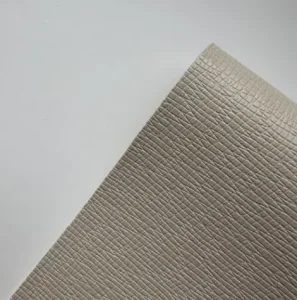
Custom RCS‑Verified Recycled‑Content Sustainable Synthetic Leather-9265
View Technical Details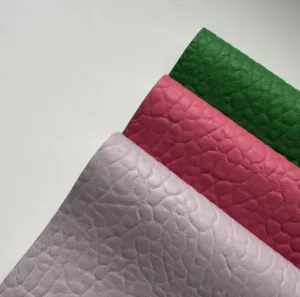
High-Quality Eco‑Friendly Sustainable Synthetic Leather-9239
View Technical Details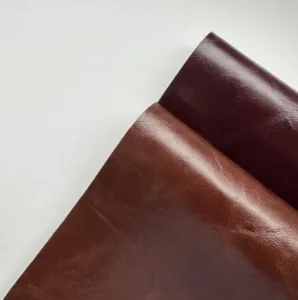
Wholesale High‑Performance Eco‑Engineered Synthetic Leather-0255
View Technical Details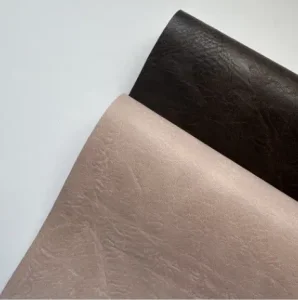
Custom RCS Recycled Base Vegan Synthetic Leather-0163
View Technical Details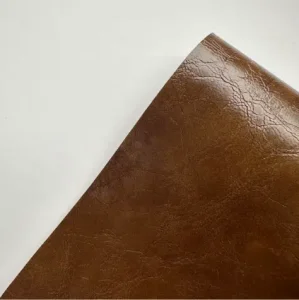
High-Quality RCS Recycled Grain Synthetic Leather-0216
View Technical Details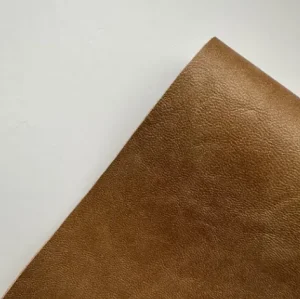
Custom Circular‑Focused RCS‑Verified Recycled Synthetic Leather-0003
View Technical Details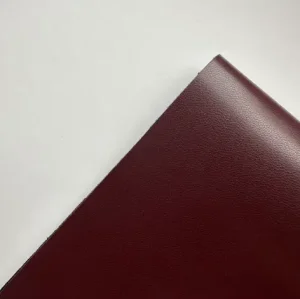
Custom Sustainable Bio-Based Vegan Leather-2002
View Technical Details