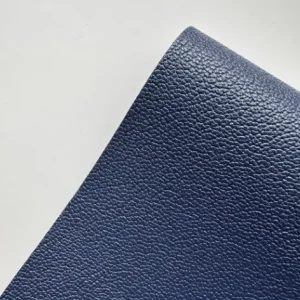
High-Performance Eco Leather Configurations
Engineered technical references designed to meet Tier-1 footwear abrasion, flex cracking thresholds, and sustainable circular procurement protocols.
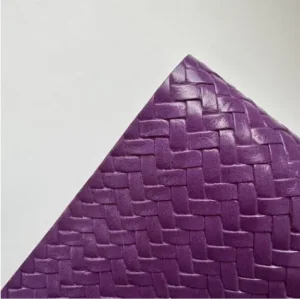
Custom Green Sustainable High-End Synthetic Leather-9344
Request Swatch & Tech Sheet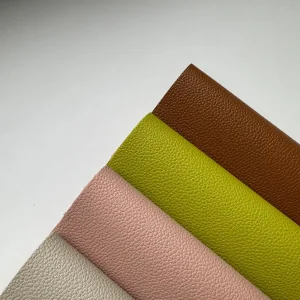
High-Quality Sustainable Eco-Friendly Faux Leather
Request Swatch & Tech Sheet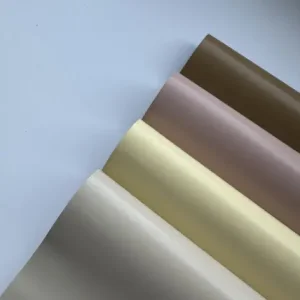
Custom Bio-Based Renewable Synthetic Leather-2056
Request Swatch & Tech Sheet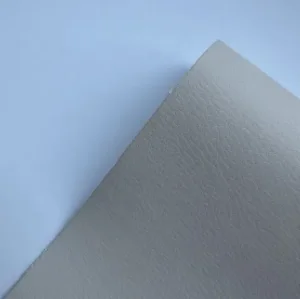
Wholesale RCS Verified Recycled Synthetic Leather-2058
Request Swatch & Tech Sheet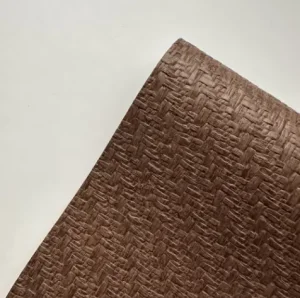
Wholesale Bio‑Based Renewable Synthetic Leather-9339
Request Swatch & Tech Sheet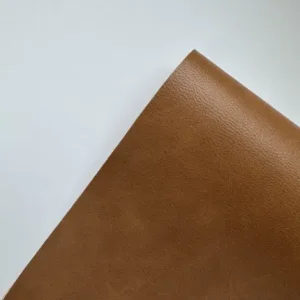
OEM Renewable Bio-Based Synthetic Leather-9020
Request Swatch & Tech Sheet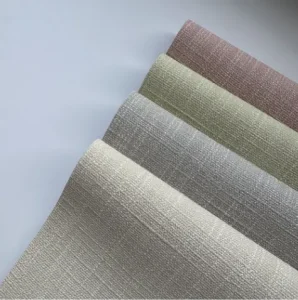
OEM RCS Verified Recycled Sustainable Leather-9384
Request Swatch & Tech Sheet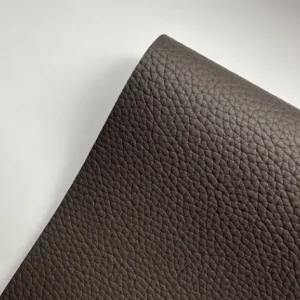
OEM Low-Impact Sustainable Synthetic Leather-9299
Request Swatch & Tech SheetGlobal Synthetic Leather Macroeconomics & Regulatory Pressure
An authoritative analysis of regulatory enforcement, carbon border taxation, and volatile petrochemical dependencies redirecting the global faux leather supply chain.
Tightening EU Ecodesign & Chemical Bans
With the European Union enacting the Digital Product Passport (DPP), Corporate Sustainability Due Diligence Directive (CSDDD), and restricting hazardous solvents like Dimethylformamide (DMFa) and toluene, legacy synthetic leather factories are rapidly losing market clearance. OEMs must achieve compliance through closed-loop solvent-free polyurethane and REACH SVHC certifications.
- DMFa < 5ppm
- REACH Compliance
- EU DPP Traceability
Petrochemical Decoupling & Scope 3
Global consumer conglomerates in automotive, athletic footwear, and luxury goods have committed to SBTi targets to slash Scope 3 upstream emissions by 40-55% by 2030. Virgin petroleum PU and toxic PVC fabrics carry prohibitive carbon footprints. Bio-based non-food crop polyols and GRS/RCS recycled polymers drastically neutralize lifecycle environmental debits.
- Scope 3 Abatement
- SBTi Alignment
- LCA Decarbonization
Performance Parity & Hydrolysis Durability
Early eco-leather iterations struggled with tensile shear, cold-crack resistance, and premature hydrolysis in tropical climates. Modern dry-process coagulated polyurethane and waterborne micro-porous architectures achieve parity with animal hide, offering up to 10-year jungle test resistance without relying on halogenated stabilizers.
- 10-Year Jungle Test
- Martindale > 100k
- Bally Flex 150k Cycles
Why China's Vertically Integrated Manufacturing Outperforms
How JiangXin New Material’s consolidated chemical synthesis, green power infrastructure, and localized upstream clusters secure rapid turnarounds and cost predictability.
In-House Chemical Polyol Synthesis
Unlike contract coaters who outsource resin mixing to intermediate vendors, JiangXin formulates proprietary bio-polyols and water-dispersed polyurethane in-house. This upstream control ensures total control over chemical purity, cross-linking density, batch-to-batch color delta (ΔE < 0.5), and rapid modification for low-temperature flex requirements.
- Delta E < 0.5
- Custom Polymerization
- R&D Lab Formulations
Solar Integration & Thermal Waste Recovery
Located in the Yinghong Industrial Park, our 135,733 m² mega-facility operates a dedicated 4.68 MW rooftop photovoltaic solar grid. Together with high-efficiency thermal recovery chambers that capture and re-route exhaust heat back to curing ovens, we offset more than 4,200 metric tons of carbon emissions annually, lowering embodied carbon per linear meter.
- 4.68 MW Solar Power
- Waste Heat Recirculation
- Low Carbon Footprint
Greater Bay Area Port Logistics & Lead Time Agility
Situated within the Guangdong-Hong Kong-Macao Greater Bay Area, JiangXin maintains rapid corridor access to Shenzhen, Guangzhou, and Hong Kong deepwater container terminals. Rapid digital color match sampling within 72 hours and bulk turnaround of 15 days allows international brands to bypass lengthy lead times typical of fragmented supply chains.
- 72-Hour Swatch Dispatch
- 15-Day Bulk Delivery
- Major Port Proximity
Tailored Formulations Across Premium B2B Verticals
Precision-tailored surface properties, grain mechanics, and multi-layer composites optimized for specific high-stress industrial applications.
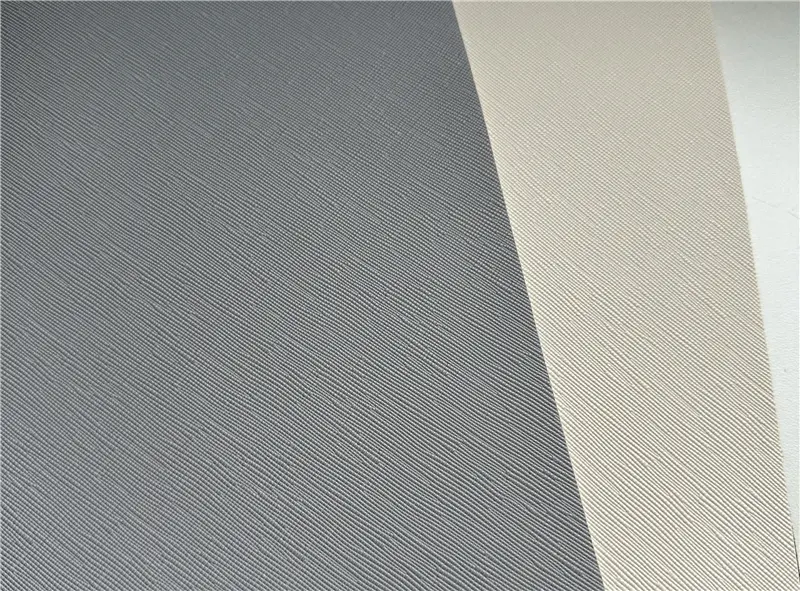
Athletic & Luxury Footwear Uppers
Formulated for high dynamic flex crack resistance exceeding 150,000 cycles at -10°C, combined with breathability (WVP > 800 g/m²/24h). Exceptional scuff resilience makes it ideal for skate shoes, cleated field athletic footwear, and structural luxury boots.
- Bally Flex Testing
- Cold Crack -20°C
- Tensile Tear Resistance
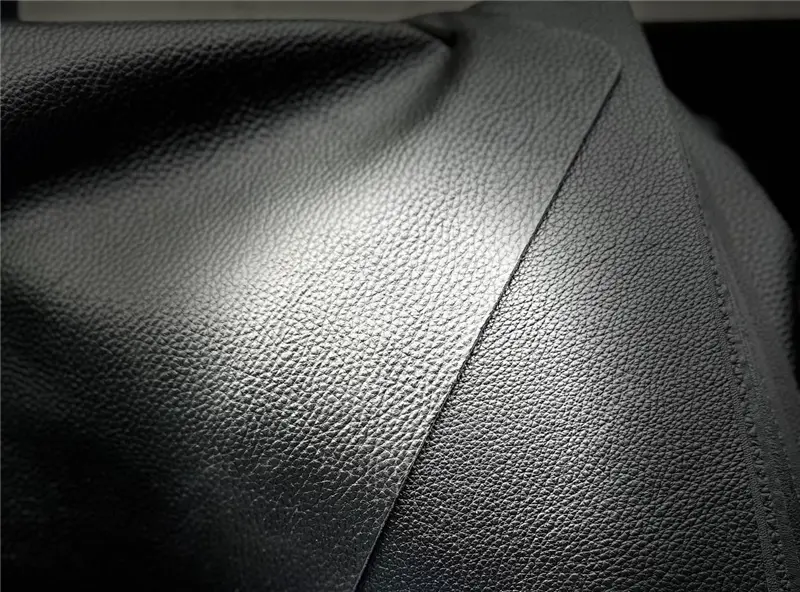
Apparel, Outerwear & Leather Goods
Delivers an ultra-soft lambskin touch, natural micro-creasing drape, and high stitch-tear strength for high-end vegan bomber jackets, structural belts, and accessories. Resistant to dry-cleaning degradation and body-oil sebum migration.
- Silky Tactile Drape
- Sebum Oil Resistant
- Stitch Pull-Out Guard
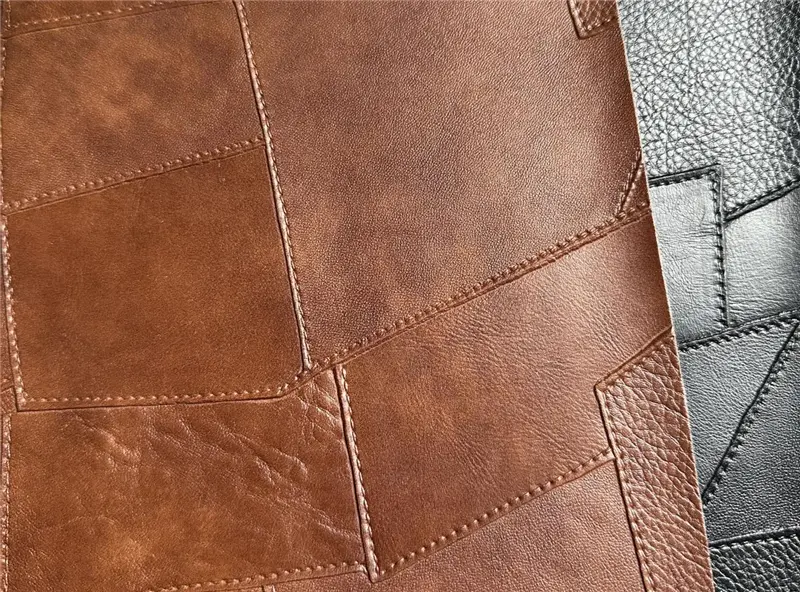
Automotive Interiors & Commercial Seating
Engineered to meet stringent automotive interior emissions (VOC fogging DIN 75201, odor rating < 3.0), UV colorfastness (SAE J2412 Xenon Arc 1200 kJ), and flame retardancy meeting FMVSS 302 and BS 5852 Crib 5 standards.
- Low Fogging DIN 75201
- FMVSS 302 Flammability
- Anti-Microbial Shield
Technology Roadmap: The Next Frontier in Sustainable Polymers
A multi-phase developmental timeline advancing non-food biobased polyols, carbon-capture resins, and mono-material closed loops.
Second-Gen Biobased & rPET Cores
Maximizing non-food crop polyols derived from industrial corn starch and castor oil, achieving 30% to 50% verifiable renewable biobased carbon via radiocarbon ASTM D6866. Backed exclusively by 100% GRS/RCS certified post-consumer recycled polyester interlock fabrics.
100% Waterborne & High-Solid Solvent Free
Phasing out chemical cross-linkers in favor of reactive polyurethane prepolymers cured through ambient moisture. Eliminates wastewater emissions, drops processing energy demand by 38%, and achieves zero detectable volatile organic compounds (VOCs).
CCU (Carbon Capture Utilization) & Mono-Material
Pioneering polyols synthesised directly from captured point-source industrial CO2 emissions. Engineering 100% mono-material PU-on-PU constructions, allowing entire discarded shoes or garments to be mechanically and chemically pelletized back into raw polymers.
Verified Quality Assurances for Global Brand Portfolios
Comprehensive regulatory alignment safeguarding tier-1 supply networks against brand liability, greenwashing accusations, and customs border blocks.
RCS & GRS Traceability
Every meter of recycled synthetic leather comes backed by transaction certificates (TC) issued through accredited third-party auditing bodies (such as IDFL, Control Union), verifying post-consumer recycled lineage.
Textile Exchange StandardUSDA BioPreferred Program
JiangXin’s bio-based polyurethane solutions undergo stringent isotopic C14 carbon dating under ASTM D6866 standard methods, ensuring authentic, defensible label claims on retail hangtags.
ASTM D6866 CertifiedEU REACH SVHC & RoHS
Formulations are rigorously tested against over 230 restricted hazardous substances (Substances of Very High Concern), guaranteeing absolute freedom from orthophthalates (6P / 16P free), cadmium, lead, and azo dyes.
Phthalate-Free StandardHigg FEM & amfori BSCI
Audited across environmental and social performance. Our facility participates in the Sustainable Apparel Coalition’s Higg Facility Environmental Module (Higg FEM) and ensures ethical labor practices via BSCI.
ESG Social ComplianceFrequently Asked OEM & Technical Sourcing Questions
In-depth responses covering laboratory verification, supply chain lead times, chemical certifications, and custom development parameters.
How does JiangXin verify the biobased content ratio in its products?
We utilize standardized radiocarbon isotopic dating in accordance with ASTM D6866. This analytical process measures the proportion of modern Carbon-14 (originating from recent photosynthetic processes, such as plant polyols) versus fossil carbon (derived from petrochemical deposits). Test reports from accredited third-party laboratories certify the renewable carbon percentage, providing definitive proof for USDA BioPreferred hangtags and brand ESG disclosures.
What is the difference between solvent-free PU, waterborne PU, and traditional PU?
Traditional PU utilizes Dimethylformamide (DMF) or methyl ethyl ketone (MEK) as chemical carriers, which can release VOC emissions and present workplace exposure hazards if unrecovered. Waterborne PU disperses polyurethane resin in water droplets without hazardous solvents, dramatically reducing VOCs. Solvent-free (high-solid) PU completely eliminates liquid carriers by utilizing 100% reactive resin prepolymers that cure thermally, yielding denser cross-linking, higher tear resistance, and zero solvent emissions.
Can you issue valid RCS Transaction Certificates (TC) for custom brand runs?
Yes. JiangXin operates an audited chain-of-custody tracking facility accredited under the Recycled Claim Standard (RCS) and Global Recycled Standard (GRS). For each commercial production order utilizing post-consumer rPET substrates, we submit procurement documentation and factory mass balances to the certifying authority, generating an official Transaction Certificate (TC) directly linked to your company’s purchase order.
What mechanical and durability testing capabilities exist in-house?
Our physical laboratory operates calibrated testing instrumentation that validates: Martindale & Taber abrasion resistance (up to 150,000 revs), Bally flex resistance at both room temperature and sub-zero condition (-20°C for 100,000+ flexes), accelerated jungle test environmental chambers (70°C, 95% RH for 5-10 weeks assessing anti-hydrolysis), seam bursting strength, and spectrophotometric color delta validation.
What are the standard minimum order quantities (MOQ) and production turnaround cycles?
For custom engineered color, emboss, and backing compositions, our baseline MOQ is typically 500 to 1,000 linear meters per colorway. Rapid development swatches and hand feel A4 sheets can be dispatched within 72 hours. Prototype sample yardage (50-100 meters) takes 5 to 7 days, while commercial container deliveries are completed within 15 to 20 days upon master sample sign-off.
Does JiangXin support custom backing fabrics and functional finishes?
Absolutely. Backing fabrics can be customized across recycled woven microfibers, circular knit cotton, fleece, or high-tensile aramid blends. Functional finishes can be integrated into the surface chemistry, including flame retardancy (BS 5852, CAL 117), antibacterial / anti-mold protection, stain-resistant fluorocarbon-free coatings, and specific infrared thermal management properties.
Explore Additional Certified Sustainable Articles
Specialized formulations tailored for lightweight fashion garments, heavy-duty upholstery, and performance footwear components.
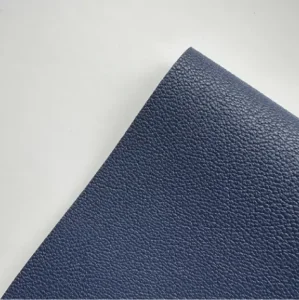
Wholesale Green Circular Synthetic Leather-9168
Request Swatch & Tech Sheet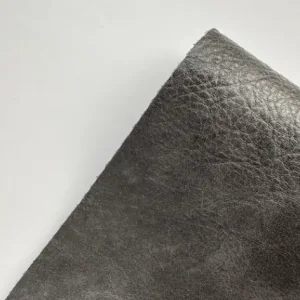
OEM RCS Qualified Recycled Eco Leather-9271
Request Swatch & Tech Sheet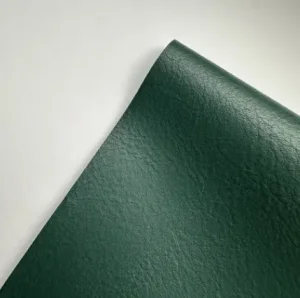
OEM Plant-Derived Bio-Based Leather-9106
Request Swatch & Tech Sheet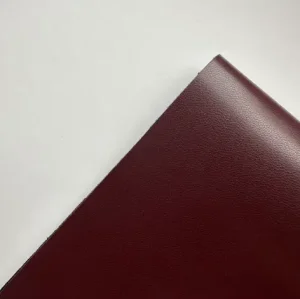
Custom Sustainable Bio-Based Vegan Leather-2002
Request Swatch & Tech Sheet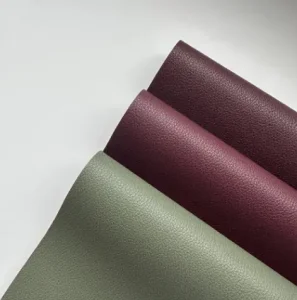
OEM Eco Plant-Based Renewable Leather-9077
Request Swatch & Tech Sheet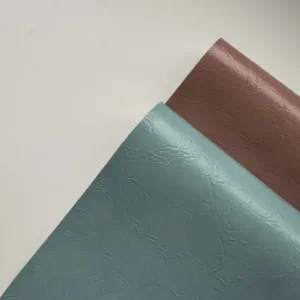
OEM Industrial-Grade Bio-Derived Leather-0177
Request Swatch & Tech Sheet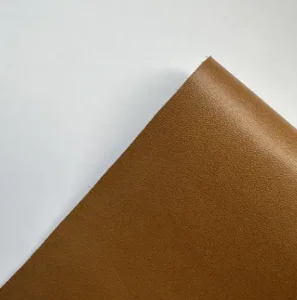
Custom Plant-Sourced Bio-Based Leather-9164
Request Swatch & Tech Sheet