
Precision Biobased & Recycled Formulations (Batch Alpha)
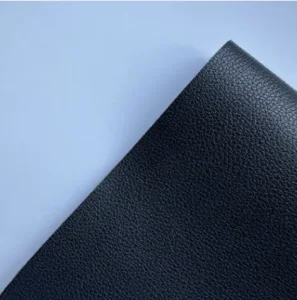
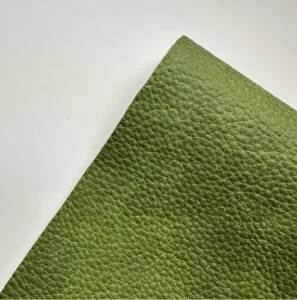
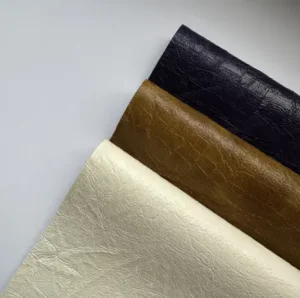
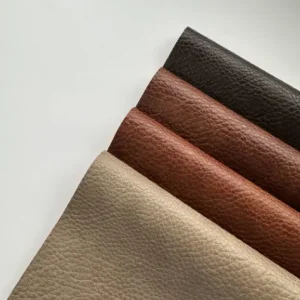
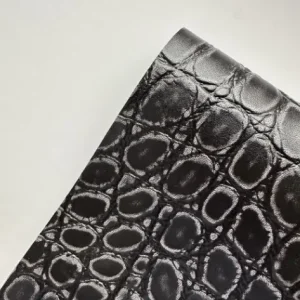
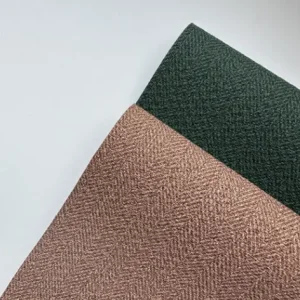
Engineered roll stock available for immediate OEM swatching, tech pack integration, and laboratory RSL validation.
The Paradigm Shift in Bio-Fabrication: Mycelial Biopolymers & High-Performance Matrices
Transitioning beyond linear petrochemical dependence through natural hyphal networks and clean waterborne polyurethane polymers.
Global industrial supply chains are undergoing an unprecedented restructuring driven by mandatory Scope 3 emissions reporting, consumer anti-plastic scrutiny, and stringent legislative frameworks like the EU Corporate Sustainability Due Diligence Directive (CSDDD). Within this macroeconomic transformation, OEM Mushroom Leather (Mycelium-derived biomass composite) represents the most profound material science frontier for Tier 1 apparel, luxury leather goods, sports footwear, and automotive interior manufacturing.
Historically, the synthetic leather market was split into two compromises: virgin petroleum-derived polymers (polyvinyl chloride [PVC] and solvent-borne polyurethane [PU]) offering high tensile endurance at a catastrophic environmental and carcinogenic cost (via dimethylformamide [DMF] and volatile organic compounds [VOCs]), versus traditional animal husbandry leather burdened by severe deforestation, methane emissions, and heavy metal chrome-tanning (Cr-VI) effluents. Mushroom leather fundamentally rewrites this paradigm. By harnessing the vegetative body of fungi—interwoven networks of filamentous microstructures known as mycelium—manufacturers can harvest natural self-assembling polymeric networks of chitin, glucans, and structural proteins.
Microstructural Mechanics: Chitin-Glucan Polymer Matrix
At the molecular level, mycelial networks exhibit an isotropic fibrous orientation that closely mirrors the cross-linked collagen structure of bovine hides. Unlike petroleum plastics that rely on carbon-carbon polymers extracted from fossil crude, fungal mycelium self-synthesizes a high-density, multi-directional fibrous web during low-energy biological fermentation. When combined with solvent-free bio-based polyols and waterborne aliphatic polyurethane dispersions (PUD), the resulting composite achieves structural parity with premium calfskin—delivering remarkable tear propagation resistance, soft tactile hysteresis, and thermal breathability.
As a leading Chinese clean-tech manufacturer operating an ultra-modern 135,733 m² solar-powered campus in Yingde, Guangdong, Yingde City JiangXin New Material Co., Ltd. (JX.ECO) bridges the critical chasm between biological discovery and continuous high-speed industrial coating. Producing over 16 million meters annually across advanced calendar and dry-process lines, JX.ECO operationalizes authentic bio-circularity under verified ISO 9001/14001, amfori BSCI, Higg Index, and Recycled Claim Standard (RCS) frameworks.
Global OEM Procurement Realities: Solving the Scalability Trilemma
Navigating the tension between genuine ecological claims, commercial yields, and strict mechanical specifications.
Stringent Anti-Greenwashing Mandates
Global brands can no longer rely on superficial "vegan" claims that conceal petroleum-heavy synthetic polymers. Under the EU Green Claims Directive and French AGEC law, materials require empirical third-party radiocarbon certification (ASTM D6866) to verify modern biogenic carbon fraction vs. fossil feedstock.
- Third-party isotope C-14 testing
- Digital Product Passport (DPP) readiness
- Full Chain-of-Custody transaction tracking
Tier-1 Mechanical Parity
Early-stage bio-leathers failed in commercial adoption due to poor tensile strength, brittle cold-crack behavior, and erratic surface delamination. OEM procurement demands continuous, fault-free roll lengths engineered to survive high-speed automated robotic cutting tables.
- Martindale rub endurance: >50,000 cycles
- Bally flex crack resistance: 100,000 cold cycles
- Jungle test (Hydrolysis): 5–10 weeks stable
Continuous Capacity vs. Boutique Labs
While venture-backed Western biomaterial startups produce pilot sheets measured in square decimeters, automotive and sportswear programs demand hundreds of thousands of linear meters per production quarter. JX.ECO's 16M+ meter baseline guarantees supply chain security.
- Roll width consistency: 137cm–142cm calibrated
- Tight color Delta E tolerance: < 0.8
- Direct maritime intermodal loading
Comparative Environmental Impact: Mushroom Leather vs. Legacy Substrates
Validated cradle-to-gate data benchmarks evaluating carbon, water, chemical toxicity, and processing footprints.
| Substrate Metric | OEM Mushroom Bio-Composite (JX.ECO) | Traditional Bovine Chrome-Leather | Virgin Petroleum PU Leather | Conventional PVC Leather |
|---|---|---|---|---|
| Carbon Footprint (kg CO₂ eq/m²) | 2.1 – 4.3 (Solar Powered) | 65.0 – 110.0 | 15.8 – 22.4 | 24.5 – 35.0 |
| Freshwater Eutrophication | Negligible (Onsite Effluent Closed-Loop) | Severe (Cr-VI, Tannins, Sulfides) | Moderate (Process wash) | High (Chemical effluents) |
| Primary Feedstock Origin | Agricultural Upcycled Biomass + Bio-Polyols | Intensive Cattle Husbandry | Fossil Crude Petrochemicals | Petroleum / Chlorine Gas |
| Solvent Emissions (DMF / MEK) | 0.00 ppm (100% Solvent-Free/Waterborne) | N/A (Bactericides/Ammonia) | 10 – 120 ppm (Conventional) | High Phthalate Plasticizers |
| Cutting Yield Efficiency | 96% – 98% (Rectilinear Rolls) | 62% – 74% (Natural Flaws/Holes) | 94% – 96% | 95% – 97% |
| ASTM D6866 Biobased Carbon | 35% – 75%+ Tailorable | 100% (Animal Protein) | 0% (100% Fossil Carbon) | 0% (100% Fossil Carbon) |
The 5-Stage OEM Mushroom Leather Engineering Flow
From fungal inoculation on agricultural waste to solvent-free calendar finishing in our Yingde clean-tech campus.
Substrate Upcycling & Pure Strain Solid-State Fermentation
Our bio-cultivation protocols utilize certified agricultural side-streams (such as sawdust, hemp hurds, and cotton seed husks) inoculated with specialized fungal strains (Ganoderma lucidum or Pleurotus ostreatus). Within micro-climate controlled incubation chambers, the fungal hyphae branch rapidly into a high-density, interconnected three-dimensional biological scaffold, eliminating the need for petrochemical pre-polymers.
Mild Bio-Extraction, Chitin Plasticization & Tannin Stabilization
Once peak hyphal density is achieved, the fungal mass undergoes green biochemical deactivation and natural extraction. Unlike caustic animal hide pickling, our stabilization process employs non-toxic bio-based crosslinking agents derived from green tea polyphenols and vegetable starches. This plasticizes the chitin-glucan molecular backbones, conferring lifelong softness and elastomeric flexibility without synthetic phthalate plasticizers.
Dispersion in Waterborne Polyurethane & Plant-Polyol Matrices
To ensure rigorous automotive and luxury footwear performance, stabilized mycelium fibers are homogenized and dispersed within solvent-free aliphatic polyurethane resins (PUD) formulated with renewable plant polyols (corn and castor seed fractions). This composite architecture unites the breathability and organic hand of mycelium with the extreme mechanical durability of industrial-grade green polymer engineering.
Continuous Zero-Solvent Roll Coating & RCS Backing Integration
On continuous coating lines powered by our 4.68 MW rooftop photovoltaic installation, the bio-composite formulation is laminated onto Recycled Claim Standard (RCS) certified bases—such as GRS/RCS recycled polyester, rPET microfibers, or organic tencel. Our thermal drying tunnels use recovered heat energy, releasing zero toxic air emissions or solvent wastewater.
Precision Mechanical Grain Embossing & Surface Functionalization
The cured composite passes through precision calendar rollers to receive custom grains—ranging from classic milled full-grain to ultra-fine toothpick patterns, saffiano, or custom OEM embossed microstructures. Water-based fluorocarbon-free surface coatings are applied inline to provide antimicrobial, anti-fouling, and scratch-resistant properties compliant with international RSL standards.
Auditable Global Compliance: Mitigating Brand Liability Across Borders
Enterprise chemical stewardship, worker safety accreditations, and transparent transaction documentation.
When sourcing novel materials internationally, Fortune 500 sustainability directors and sourcing managers face severe compliance liabilities regarding Restricted Substance Lists (RSL), counterfeit recycled content claims, and labor standards. JX.ECO safeguards enterprise supply chains through an integrated testing infrastructure and third-party credentialing ecosystem.
Transaction Certs (TC)
Every commercial delivery under our RCS-certified product codes is backed by formal Transaction Certificates issued through accredited verification bodies, guaranteeing traceability from recycled polymer inputs to finished rolls.
Zero-Hazard Chemistry
Strict formulation protocols eliminate Substances of Very High Concern (SVHC) under EU REACH, ensuring absolute 6P phthalate-free, antimony-free, organotin-free, and alkylphenol ethoxylate (APEO)-free performance.
Dedicated Global Logistics
Located strategically in Guangdong near Guangzhou and Shenzhen ports, JX.ECO operates specialized export desks providing seamless DDP, CIF, and FOB fulfillment with localized testing dossiers for European and North American customs.
Solar Mega-Campus
Our Yinghong Industrial Park campus leverages 4.68 MW rooftop solar PV arrays to offset up to 40% of daytime manufacturing power, backed by closed-loop biological wastewater treatment plants operating under national environmental permits.
The 2026–2032 Bio-Material R&D Roadmap
Phased transitions from hybrid bio-composites to 100% circular, self-assembled pure mycelial membranes.
Phase 1: High-Yield Bio-PU Hybridization (Current Benchmark)
Commercial focus on composite stability. Fungal biomass and upcycled plant polyols replace 35%–75% of petrochemical resin on RCS recycled backings. Delivers full industrial durability, zero VOCs, and drop-in compatibility with legacy footwear lasted constructions.
- ASTM D6866 bio-content: 35% – 75%
- Production output: >16,000,000 m/year
- Zero chemical modification needed on brand sewing lines
Phase 2: Fully Monolithic Chitin Bio-Crosslinking (2027–2029)
Eliminating polyurethane carriers entirely. Developing enzymatically cross-linked, continuous mycelial mats treated with bio-based tanning polymers. Enables 100% fossil-free classification with industrial biodegradability in municipal compost facilities at end-of-life.
- Target biobased carbon: >95%
- Direct enzymatic crosslinking (Zero synthetics)
- Home/industrial compostable validation
Phase 3: Programmable Bio-Active Scaffolds (2030–2032)
Genetically optimized mycelial strains grown into three-dimensional net-shape upper designs, bypassing traditional cutting and sewing. Incorporates micro-encapsulated organic pigments and self-healing bio-resins that recover from micro-abrasions under low heat.
- Zero-waste 3D net-shape bio-fabrication
- Self-healing micro-scratches via bio-stimuli
- Closed-loop circular repulping technology
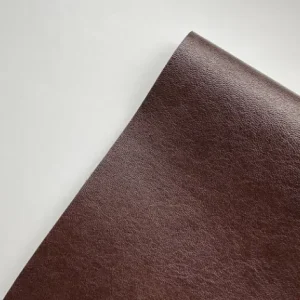
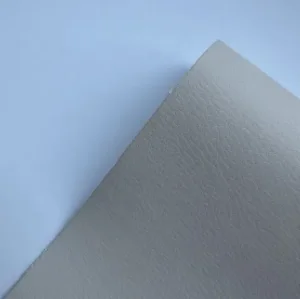
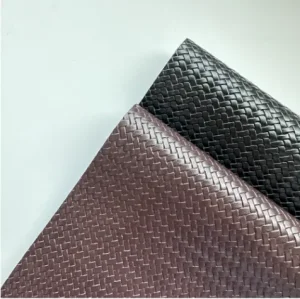
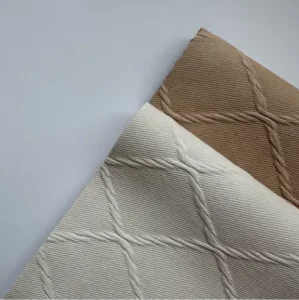
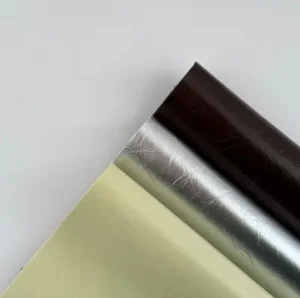
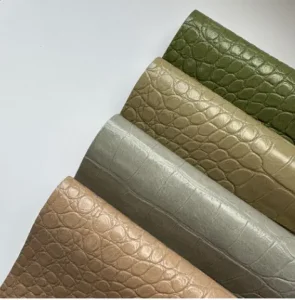
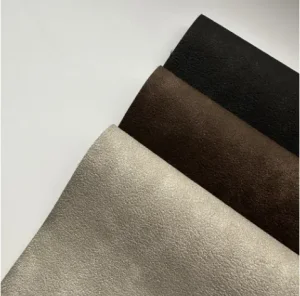
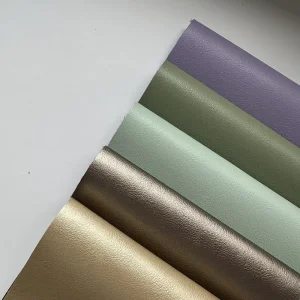
Engineered Eco-PU & Upcycled Substrates (Batch Beta)
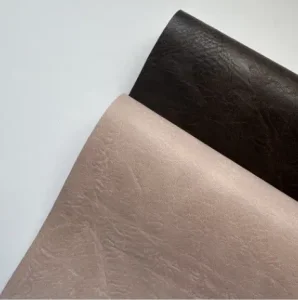
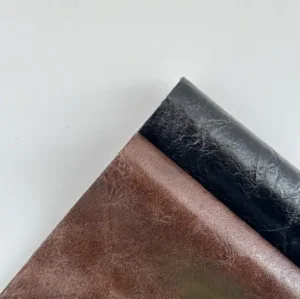
Advanced low-impact references formulated for luxury handbags, automotive seats, luggage, and functional apparel.
Frequently Asked Questions: Sourcing Mushroom & Biobased Synthetics
Comprehensive technical, legal, and operational guidance direct from JX.ECO's material engineering team.
How does mushroom leather differ from standard Bio-based PU leather?
Standard bio-based PU replaces a portion of petroleum polyols with plant-derived polyols (typically extracted from corn or castor seeds) laminated on synthetic backings. OEM Mushroom Leather integrates biologically grown mycelial filamentous mats (chitin-glucan complexes) directly into or alongside the waterborne bio-polyol matrix. This creates a natural fibrous cellular microstructure offering superior breathability, moisture vapor transmission, and authentic grain character that synthetic bio-polymers alone cannot achieve.
How is modern biogenic content verified empirically for enterprise hangtags?
Biogenic carbon percentage is verified through standardized radiocarbon (Carbon-14) isotopic analysis under ASTM D6866-22 Method B. Because atmospheric carbon fixed by living organisms contains a known level of Carbon-14 while fossil fuels have zero Carbon-14, this test precisely calculates the exact ratio of renewable bio-content versus petroleum inputs, enabling legally defensible hangtag claims backed by USDA BioPreferred standards.
Can OEM mushroom and bio-composite formulations withstand cold-weather footwear flex?
Yes. Legacy bio-plastics often suffered from brittleness under freezing temperatures. Our composite formulations utilize high-molecular-weight aliphatic waterborne polymers blended with plasticized chitin strands that retain elastomeric pliability down to -20°C. Standard articles easily withstand 100,000 cycles on a Bally Flexometer without micro-cracking, meeting high-stress boot and sneaker upper requirements.
What is the typical hydrolytic longevity ("Jungle Test") of JX.ECO materials?
Our biobased synthetic and mycelium-reinforced materials are engineered with hydrolytically stable aliphatic polyols rather than degradation-prone aromatic polyesters. When subjected to the accelerated Jungle Test (70°C ± 2°C at 95% relative humidity), our standard references achieve 5 to 8 weeks without surface tackiness or delamination, with specialized automotive grades achieving 10 weeks (equivalent to over 10 years of ambient tropical longevity).
How does JX.ECO support enterprise chain-of-custody audits for RCS certification?
JX.ECO operates certified processing lines under Textile Exchange’s Recycled Claim Standard (RCS). For qualifying production batches using recycled base fabrics or upcycled polymers, we provide full lot-specific transaction certificate (TC) applications through independent certifiers (e.g., IDFL or Intertek), tracking mass-balance inputs directly from recycled bale to finished fabric rolls.
What are the minimum order quantities (MOQ) and customization turnaround times?
For custom color matching (Pantone or physical swatch), grain texture fabrication, backing lamination, and thickness tuning (0.55mm to 2.2mm), our standard sampling turnaround is 5 to 7 business days with a rapid lab dipping desk. Commercial production MOQs start at 500 to 1,000 linear meters per color/thickness reference, supported by container-scale delivery windows within 15 to 21 calendar days.