
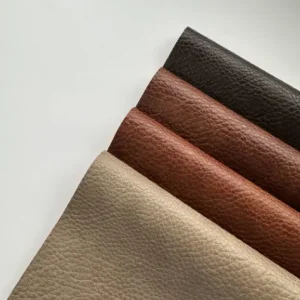
Primary Lineup
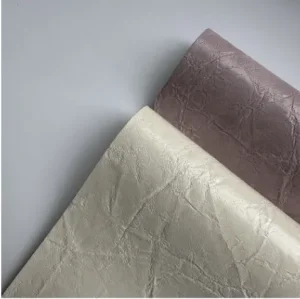
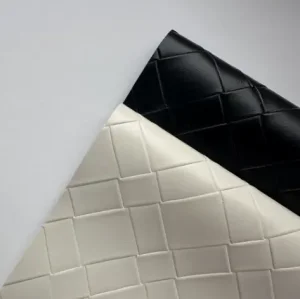
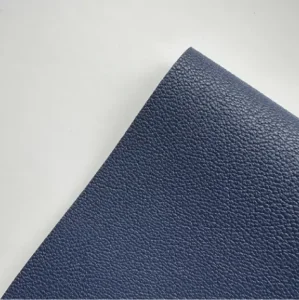
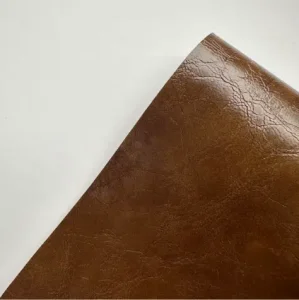
High-Performance Upholstery Synthetic Leather Selections
Engineered for high-traffic contract seating, hospitality lounges, and bespoke residential furnishings with traceable carbon metrics and tailored durability.
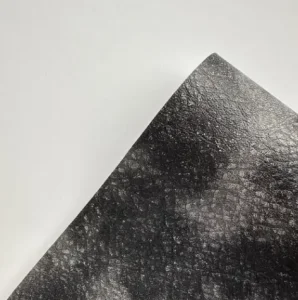
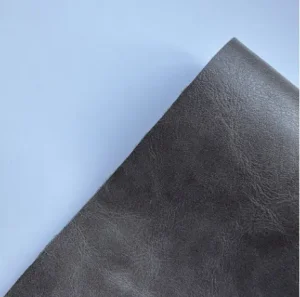
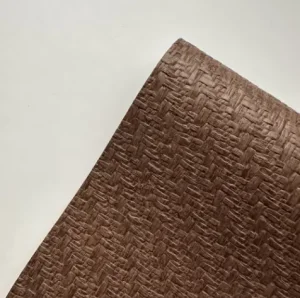
Macro Landscape
Global Furniture Industry Transition & Material Evolution
The contract, commercial, and luxury residential seating markets are undergoing a permanent shift away from heavy chemical footprints toward verifiable, low-carbon synthetic polymers.
Decarbonization
Corporate Scope 3 Targets
Global furniture brands, commercial office contractors, and architecture specifiers are mandating verifiable life-cycle assessments (LCA) to curtail Scope 3 upstream emissions. Our biobased and RCS formulations reduce cradle-to-gate carbon intensity by up to 48% compared to traditional fossil-derived PVC and petrochemical PU systems.
Zero Toxins
Strict Regulatory Mandates
With aggressive enforcement of EU REACH SVHC lists, California Proposition 65, and evolving PFAS exclusions worldwide, contract upholstery must eliminate phthalates, DMFa, and chlorinated solvents. Our water-based and solvent-free PU lines comply inherently with institutional health and indoor air quality standards (OEKO-TEX and GREENGUARD criteria).
Performance
The Demise of Commodity Vinyl
Traditional upholstery PVC suffers from plasticizer migration, causing surface cracking, stiffening, and micro-fissuring in climate-controlled environments. High-performance polyurethane elastomer networks maintain flexibility, tactile warmth, and continuous hydrolysis resistance up to 10+ years without leaching chemical compounds into indoor spaces.
Functional Engineering
Localized Applications & Commercial Installation Scenarios
Tailoring micro-molecular surface finishes and heavy-duty backing fleeces to satisfy extreme mechanical and regional environmental requirements across commercial and living spaces.
High Traffic
Hospitality & Restaurant Seating
Restaurant banquettes, hotel lobby lounge suites, and cafe chairs demand exceptional resistance to friction, alcohol cleaning agents, and food stains. Our cross-linked PU surface barrier repels hot liquids, mustard, red wine, and grease while exceeding 100,000 Martindale rubs.
- Stain-shield polyurethane top barrier
- Passes CAL 133 and BS 5852 Crib 5 with ease
Hygiene First
Healthcare & Clinical Facilities
Medical recliners, treatment beds, and clinic waiting lounges require continuous pathogen resistance and compatibility with aggressive hospital-grade quaternary ammonium and bleach solutions without hardening, clouding, or premature delamination.
- Integrated antimicrobial formulation (ISO 22196)
- Zero chemical leaching into patient-care rooms
UV Resistant
Marine, Patio & Outdoor Lounging
Yacht interiors, exterior poolside cabanas, and sunroom modular sofas confront intensive UV radiation, saline ocean spray, and persistent humidity. Our marine-grade silicone and bio-PU hybrid skins remain color-fast (QUV 1,000+ hours) with zero mildew development.
- Class 4.5+ Colorfastness to artificial light
- Antibacterial, anti-mildew ASTM G21 certified
Ergonomic
Ergonomic Task & Executive Seating
High-end corporate workstations and task seating demand precise stretch-recovery, breathability, and cold crack resilience. Backed with micro-perforated substrates, our leather fabrics provide passive thermal dissipation during 10+ hour working sessions.
- Optimized elongation modulus prevents seam slippage
- Breathable water-based polyurethane coating matrix
Future Engineering
Technical Roadmap: Next-Gen Polyurethane Chemistry
A structured multi-generational evolution from conventional solvent-dipped coatings to closed-loop, bio-synthesized circular upholstery skin networks.
Generation 1 & 2
Solvent-Free & Waterborne PU
Fully eradicating Dimethylformamide (DMFa), toluene, and methyl ethyl ketone (MEK) from the wet-coagulation and dry-coating lines. Water-dispersible polymers utilize thermal catalytic crosslinkers to form identical mechanical tensile bonds while eliminating volatile organic compound (VOC) emissions during processing and indoor off-gassing.
Generation 3 (Current)
Bio-Based Feedstock Integration
Synthesizing polyols from non-food agricultural biomass (castor bean seed derivatives, industrial corn starch, and plant-derived fatty acids). Verifiable by ASTM D6866 radiocarbon carbon-14 isotopic analysis, our current commercial runs achieve 30% to 65% bio-based content within the polyurethane topcoat layer without degrading hydrolysis resistance.
Generation 4 (Next-Gen)
Monomaterial Circular Architecture
Overcoming recycling hurdles by mating 100% post-consumer recycled PET backing fabrics (RCS certified) with pure polyester-based polyurethane resins. This mono-material configuration allows whole-furniture upholstery scraps to undergo chemical depolymerization at end-of-life, directly closing the loop on contract landfill waste.
Standard Upholstery Specification Benchmark
| Test Parameter | Standard Testing Protocol | Contract Commercial Grade | Luxury Residential Grade |
|---|---|---|---|
| Martindale Abrasion | ISO 12947-2 / ASTM D4966 | ≥ 100,000 Cycles (No wear-through) | ≥ 50,000 Cycles |
| Wyzenbeek Abrasion | ASTM D4157 (#10 Cotton Duck) | ≥ 100,000 Double Rubs | ≥ 40,000 Double Rubs |
| Hydrolysis Resistance | Jungle Test (70°C, 95% RH) | 10 to 14 Weeks (Zero delamination) | 7 to 10 Weeks |
| Flame Retardancy | CAL 117-2013 / BS 5852 Crib 5 | Class 1 / Crib 5 Compliant | Passes CAL 117-2013 |
| Tear Strength (Tongue) | ASTM D2261 / ISO 13937-2 | Warp: ≥ 45 N | Weft: ≥ 40 N | Warp: ≥ 35 N | Weft: ≥ 30 N |
| Volatile Organic Compounds | ISO 16000-6 / Indoor Air Comfort | < 50 μg/m³ (Non-detectable DMFa) | Zero Added Phthalate Plasticizers |
Industrial Core
China Factory Hub: Precision, Scale & Clean Energy Footprint
Located in Yingde, Guangdong, JiangXin New Material operates one of the Asia-Pacific region’s most modernized eco-synthetic leather campuses.
4.68 MW Photovoltaic Roof
Our campus harnesses solar energy directly into the dry-process ovens and curing chillers. By self-generating clean electricity, we lower embodied carbon per yard of furniture fabric to empower overseas client ESG scorecards.
Closed-Loop Waste Treatment
A dedicated on-site biological wastewater treatment infrastructure cleanses processing effluents to meet or exceed municipal ecological guidelines, paired with smart heat recovery units on drying lines that capture thermal exhaust.
Cluster Supply Integration
Situated within the Greater Bay Area industrial fabric corridor, our procurement of knit jersey backings, recycled spunlace microfiber, release papers, and pigments is managed within a 40-mile radius, shrinking lead times to under 12 days.
Rigorous Lot-to-Lot QC
Automated optical camera inspection tables identify micro-scratches, pinholes, or gauge irregularities in real-time. Every roll is measured for tensile strength, elongation, flex resistance, and color delta-E (≤ 0.5) prior to containerization.
Enterprise Reliability
Global Compliance, Chain-of-Custody & OEM Onboarding
Seamless execution from custom grain lab dip trials to customs-cleared maritime logistics across European, North American, and Asia-Pacific ports.
Chain-of-Custody
Transaction Certificates (TCs)
For RCS-certified orders, we supply full Transaction Certificate (TC) documentation vetted by international certification bodies. This ensures transparent chain-of-custody tracking from post-consumer PET flake suppliers straight to your brand's distribution centers.
Regulatory Guard
Full RSL Chemical Verification
We maintain pre-tested compliance guarantees against the most restrictive Restricted Substances Lists (RSL), eliminating Lead, Cadmium, Azo Dyes, Organotins, and Phthalates (6P / 16P free) to clear customs across 50+ sovereign territories effortlessly.
Custom OEM
Tailored Sampling & Rapid Match
Provide a physical leather master swatch or Pantone TCX color code. Our colorimetry laboratory returns calibrated sample swatches in hand within 5 working days, paired with tailored grain embossing rollers and chosen backing fabrics (knitted, woven, brushed microfibers).
Sustainable Portfolio
Bio-Sourced & Eco-Certified Leather References
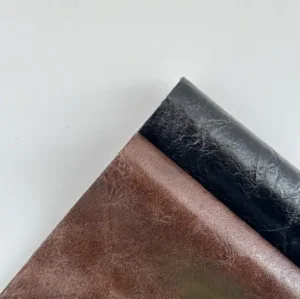
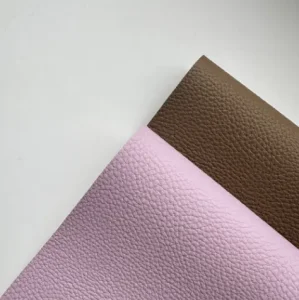
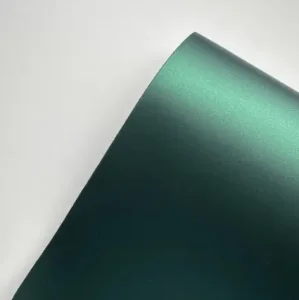
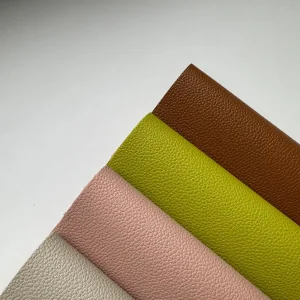
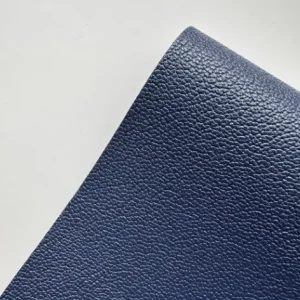
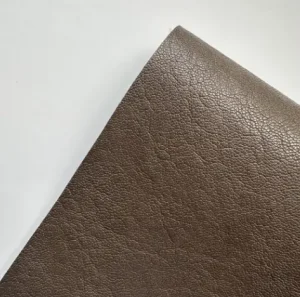
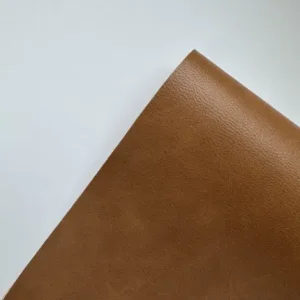
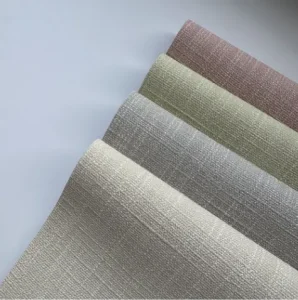
Explore additional verified references designed for sofas, acoustic wall panels, executive recliners, and high-impact commercial upholstery projects.
Clarifications
Frequently Asked Questions: Technical & Sourcing Inquiries
Comprehensive engineering details for material selectors, furniture procurement teams, and commercial upholsterers.
What is the key chemical difference between biobased PU and conventional PU leather?
Conventional PU relies 100% on petroleum-derived polyols reacting with isocyanates. In biobased PU, between 20% and 65% of the fossil petroleum polyols are substituted with bio-polyols synthesized from plant feedstock (such as castor bean or agricultural residues). Measured via radiocarbon testing (ASTM D6866), biobased PU exhibits identical tensile and tactile behavior while drastically reducing net fossil carbon depletion.
How does your factory prevent hydrolysis degradation over extended commercial service?
Premature hydrolysis (delamination or peeling) typically occurs when water molecules sever ester polyurethane linkages under warmth and humidity. We engineer our contract furniture fabrics using high-grade polycarbonate (PC) and polyether resin polyols rather than budget polyester polyols. Our high-spec formulations achieve 10 to 14 weeks in the continuous Jungle Test (70°C, 95% RH), equating to over 10 years of real-world use.
Can you manufacture custom fire-retardant (FR) faux leather without toxic halogenated compounds?
Yes. Many legacy FR treatments incorporated halogenated chemicals or polybrominated diphenyl ethers (PBDEs) banned by institutional procurement standards. JiangXin utilizes advanced phosphorus-nitrogen eco-friendly synergistic flame retardant additives integrated directly into the skin and backing matrix. These allow furniture to pass British Standard BS 5852 Crib 5 and CAL 117-2013 without toxic smoke emissions.
What are your standard OEM/ODM production minimums, yardage widths, and sample lead times?
Standard production runs require a minimum order quantity (MOQ) of 300 to 500 linear meters per custom color and grain. The usable fabric width is 137 cm to 140 cm (54 inches), with gauges customizable from 0.8 mm to 1.6 mm. Custom lab dip matches and hand sample yardage are dispatched within 5 to 7 business days, while full container bulk production is completed within 15 to 20 days.
How do you verify Recycled Claim Standard (RCS) chain of custody for client reporting?
Our recycled material lines are produced under strict custody verification from qualified yarn spinners using post-consumer PET bottles. For each qualifying client purchase order, we register the transaction with our certifying third-party registrar to issue official Transaction Certificates (TCs), which can be submitted directly into your corporate sustainability audits and customer hang-tags.
How does faux leather furniture fabric cut cutting waste compared to genuine animal hides?
Genuine leather hides have irregular shapes, neck wrinkles, branding marks, and insect bites, typically resulting in 25% to 40% unusable cutting waste during manufacturing. Our OEM synthetic leather is supplied in continuous 30 to 50 meter rolls of uniform 54-inch width and consistent gauge, enabling automated CNC nesting machines to achieve cutting efficiencies above 92%.