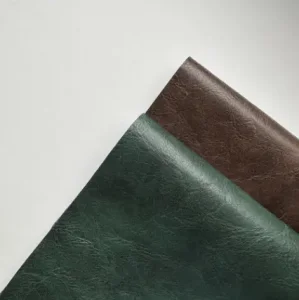
Featured Bio-Derived & RCS-Certified Synthetic Leather References
Standardized roll specifications ready for customized colorway calibration, mechanical shear calibration, embossed haptic matching, and specialized backing composite integration.
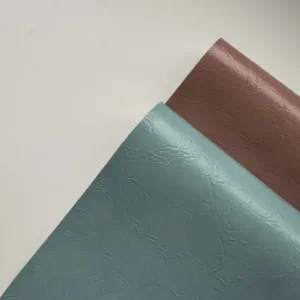
OEM Industrial-Grade Bio-Derived Renewable Synthetic Leather-0177 Suppliers, Factories
View Product Specs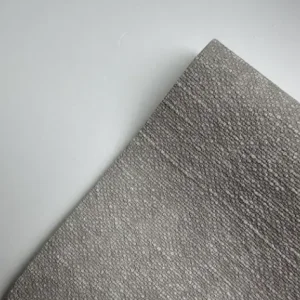
High-Quality Plant-Derived Bio-Based Synthetic Leather-9020 Manufacturer, Supplier
View Product Specs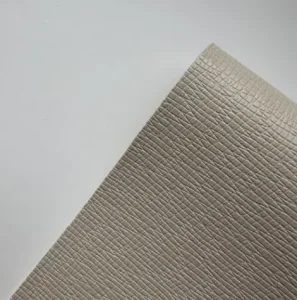
Custom RCS-Verified Recycled-Content Sustainable Synthetic Leather-9265 Manufacturers, Suppliers
View Product Specs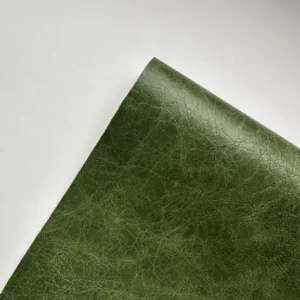
OEM Plant-Based Renewable Bio Synthetic Leather-9023 Suppliers, Factories
View Product Specs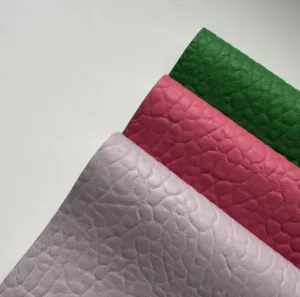
High-Quality Eco-Friendly Sustainable Synthetic Leather-9239 Supplier, Suppliers
View Product Specs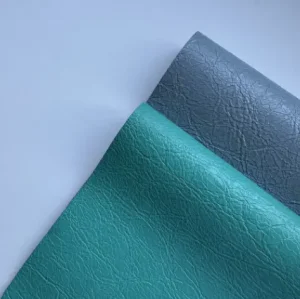
High-Quality Plant-Derived Renewable Bio-Based Synthetic Leather-9213 Supplier, Suppliers
View Product Specs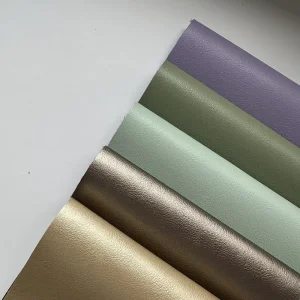
Wholesale RCS Recycled Synthetic Leather Manufacturer, Suppliers
View Product Specs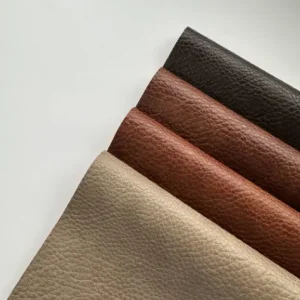
Custom RCS Recycled Synthetic Leather -9088 Manufacturers, Factory
View Product SpecsThe Macro Paradigm Shift in Global Vegan & Eco Synthetic Leather Manufacturing
An analytical overview of decarbonization pressures, restricted substance protocols, and chemical synthesis evolutions reshaping the global B2B artificial leather supply chain.
Fossil Decoupling & Carbon Accounting
The global luxury, footwear, and automotive tiers are moving aggressively from Scope 1 direct emissions monitoring into rigorous Scope 3 supply chain decarbonization. Traditional petroleum-based polyurethane (PU) and polyvinyl chloride (PVC) fabrics are being systematically phased out due to persistent microplastic pollution, endocrine-disrupting orthophthalates, and heavy petrochemical footprints. Modern original equipment manufacturers (OEMs) demand direct material substitution using verified agricultural by-products, reducing cradle-to-gate global warming potential (GWP) by 30% to 65%.
Stringent Cross-Border RSL Mandates
Regulatory frameworks including the European Union's REACH Candidate List of SVHC, RoHS directives, California Proposition 65, and zero-discharge standards set by ZDHC Roadmap to Zero are eliminating legacy solvent processing. Dimethylformamide (DMFa), toluene, and methyl ethyl ketone (MEK)—standard solvents in wet-coagulation processes—are subject to severe allowable thresholds (<5 ppm in premium brands). Manufacturers must deploy advanced waterborne polyurethane dispersion (PUD) lines and solvent-free reactive hot-melt processing units.
Verified Circularity & Chain-of-Custody
Unsubstantiated green marketing ("greenwashing") faces aggressive crackdowns via the EU Corporate Sustainability Due Diligence Directive (CSDDD). Enterprise procurement directors require empirical proof through Recycled Claim Standard (RCS) and Global Recycled Standard (GRS) transaction certification, verified via mass-balance algorithms and carbon radiocarbon dating (ASTM D6866). Traceability is non-negotiable from yarn reclamation through finishing coating chambers.




Three Core Engineering Platforms for Custom OEM Manufacturing
Engineered to eliminate fossil dependency without forfeiting flexural endurance, tactile drape, hydrolysis resistance, or seam-burst tensile strength.

Biobased Synthetic Leather Series
Formulated by synthesising plant-derived polyols (extracted from non-food agricultural biomass like industrial corn, castor beans, or agricultural waste) directly into the polyurethane matrix. Replaces 20% to 75% of fossil-carbon content, certified under USDA BioPreferred protocols via analytical ASTM D6866 radiocarbon metrics.
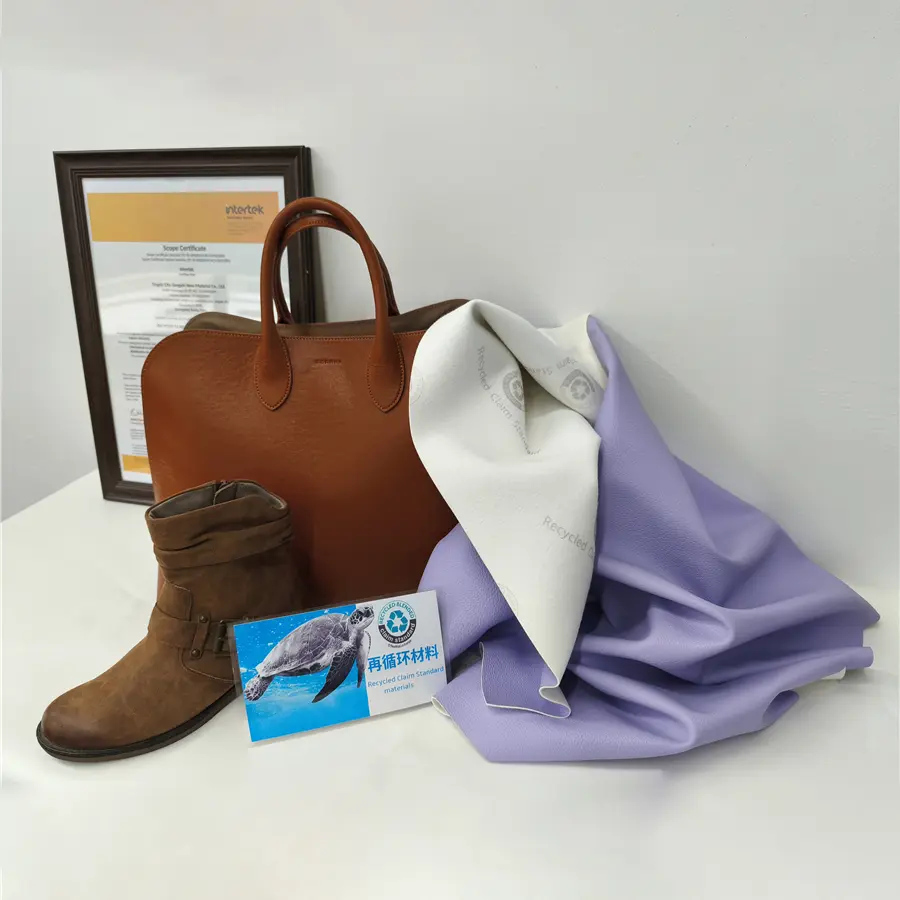
RCS-Certified Recycled Leather Series
Constructed utilizing certified recycled polyethylene terephthalate (rPET) fibers and reclaimed post-industrial microfibers for the structural substrate base. Certified through the Textile Exchange chain-of-custody, giving enterprise product developers guaranteed transaction certificates (TC) for global regulatory compliance.

Solvent-Free & Water-Based PU Series
100% solid-content PU reaction coating and waterborne polyurethane dispersions eliminate DMFa, toluene, and other volatile organic compounds (VOCs). The resulting matrix offers near-zero odor emissions, exceptional Bally flex endurance (>100,000 cycles at room temp), and cold-crack tolerance down to -30°C.
Technical Roadmap: The Next Frontier of Sustainable Polymer Systems
How JiangXin New Material is advancing polymer formulation, closing closed-loop circular systems, and engineering smart functional surfaces from 2026 through 2030.
Phase I: High-Concentration Bio-Precursor Integration
Current industrial benchmarks achieve 25% to 40% renewable biological carbon. JiangXin's chemical engineering laboratory is synthesizing non-isocyanate polyurethane (NIPU) precursors and aliphatic bio-succinic polyols to reach >70% biobased content while preserving hydrolytic stability (Jungle Test 10-14 weeks) and dry/wet crocking colorfastness (Grade 4.5+). This decouples performance from petroleum feedstocks entirely.
Phase II: True Monomateriality & Chemical Recycling
Synthetic leather traditionally presents challenges at end-of-life because thermoset coatings are bound to dissimilar polyester or cotton backings. We are developing monomaterial circular constructions (100% thermoplastic polyurethane skin bonded to 100% circular TPU microfibers). This allows worn items to be mechanically shredded and depolymerized back into virgin-grade resin, eliminating landfill accumulation.
Engineered Across Demanding Commercial Verticals
From structural stitch resilience in performance footwear to scratch-resistant luggage skin and low-emission interior architecture, synthetic leather enables precise physical optimization.
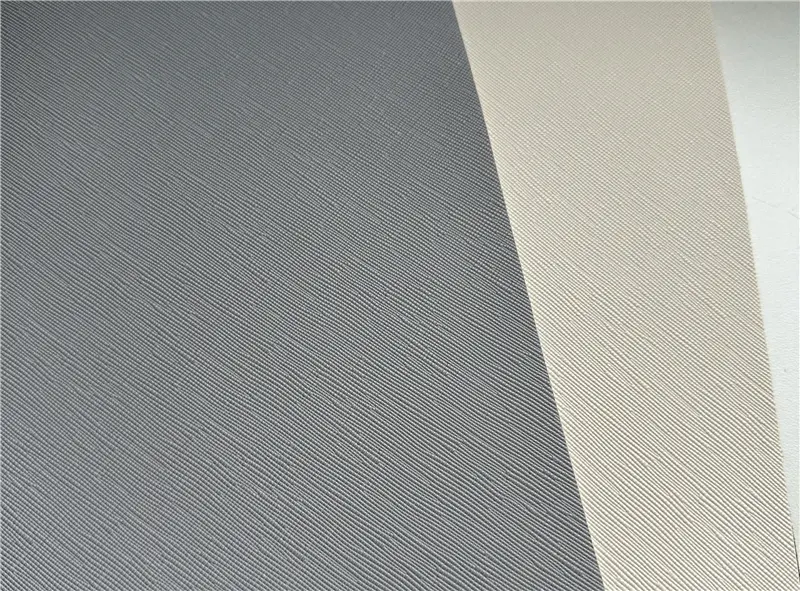
Performance Footwear & Sneakers
Vamp and collar components undergo severe repetitive stress. Our materials are calibrated for Taber abrasion resistance (>5,000 revs under 1kg load), superior stitch-tear durability (>40 N/mm), and dynamic cold flex cracking resistance down to -20°C. Engineered with customized rebound resilience and microscopic breathability for athletic, outdoor, and luxury casual shoes.
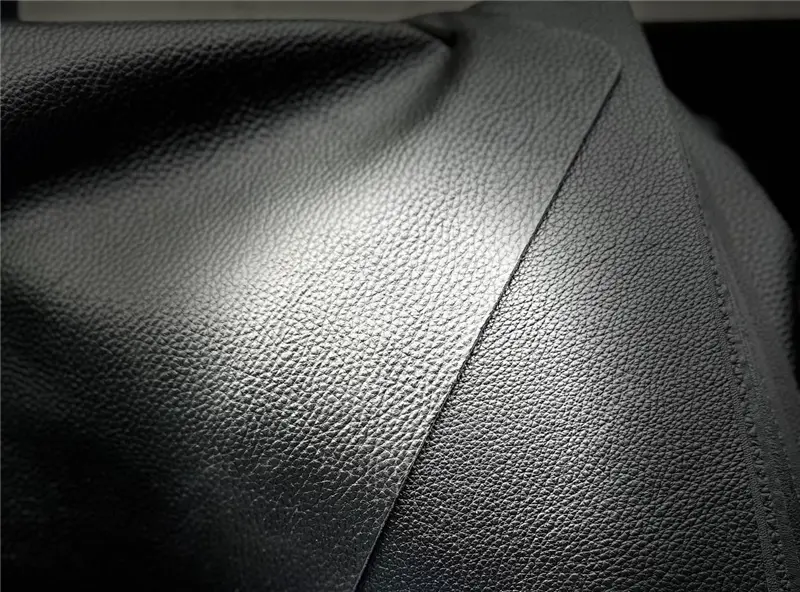
Luxury Handbags & Small Leather Goods
High-end fashion demands drape, hand feel, and edge-paint compatibility identical to full-grain nappa. Our Toothpick, Lychee, and Box-calf emboss patterns incorporate micro-cellular polyurethane foam structures that mimic leather fiber bundles. Finished with anti-fouling, oil-repellent cross-linkers that resist denim indigo transfer and cosmetic stains.
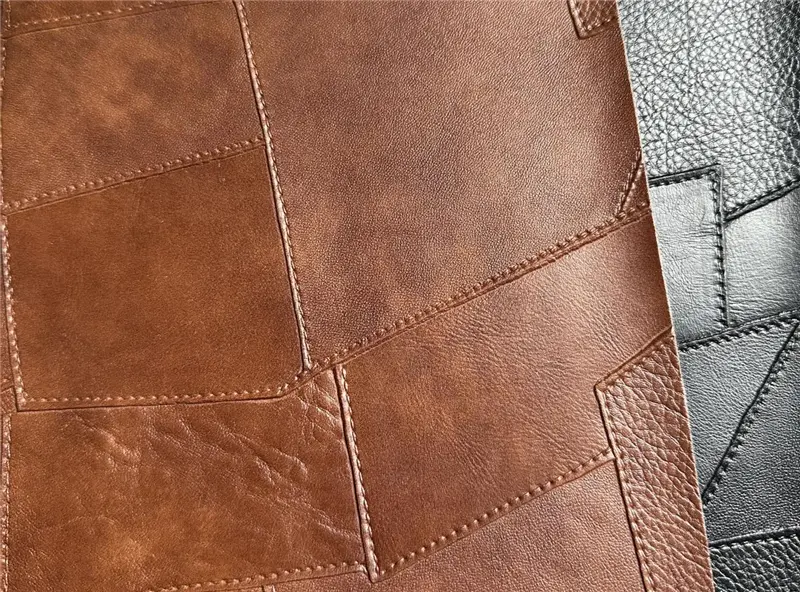
Automotive Interiors & Technical Apparel
Meeting automotive cabin standards requires extreme lightfastness (Xenon arc Grade 4+ after 1,000 hours), low-fogging characteristics (DIN 75201 G/B method), and stringent flame retardancy (FMVSS 302, BS 5852 Crib 5). For garments and outerwear, our breathable water-repellent (DWR) micro-porous membrane backing balances windproofing with moisture vapor permeability.
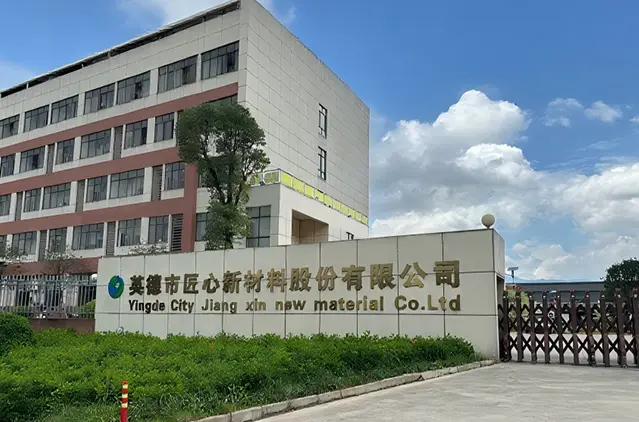
JiangXin New Material: Yingde Industrial Campus Since 2017
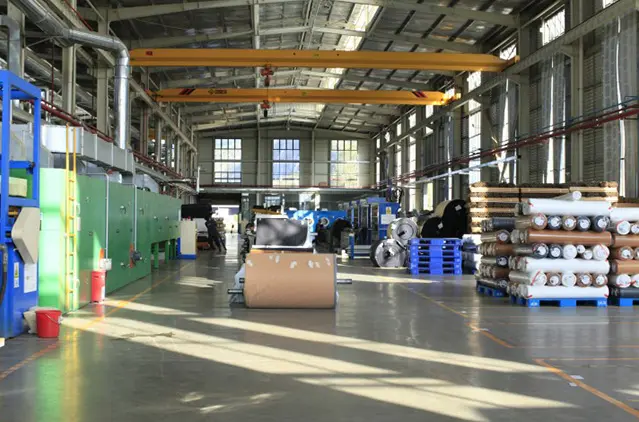
Established on June 2, 2017, in Yingde City, Guangdong, our 135,733 m² campus represents a high-standard clean chemical synthesis and precision-coating industrial park.

4.68 MW Photovoltaic Roof
Over 55% of direct daytime factory power is harvested via on-campus rooftop solar installations, measurably lowering the embedded Scope 2 carbon footprint for every running meter produced.
Closed-Loop Water Treatment
Our biological on-site wastewater reclamation plant processes all industrial washings. High-efficiency distillation towers achieve 98.5% solvent recovery in our advanced lines, with zero illegal effluent discharge.
Social & Operational Governance
Fully compliant with amfori BSCI standards and ISO 9001/14001 management protocols. Features expansive tempered-glass daylight architecture that enhances worker ergonomics, physical safety, and operational transparency.
Global Compliance Documentation for Brand Onboarding
Our engineering laboratory provides complete test packs, certified transaction dossiers, and third-party audit reports to keep your product development timeline on schedule.
EU REACH & RoHS Clearance
Every synthetic roll formulation is tested to pass all 230+ Substances of Very High Concern (SVHC) on the European Chemical Agency (ECHA) candidate list. Free of DMFa, benzene, toluene, short-chain chlorinated paraffins (SCCP), and polycyclic aromatic hydrocarbons (PAHs).
6P / Non-Phthalate Safety
Completely free of restricted orthophthalates (DEHP, DBP, BBP, DINP, DIDP, DnOP). Fully compliant with CPSIA Section 108 and EU Directive 2005/84/EC, making our materials safe for infant, children's wear, footwear, and close skin-contact wearables.
OEKO-TEX & Higg FEM Facility
Raw chemical components are screened against OEKO-TEX Standard 100 Class I/II criteria. Our production campus logs verified environmental and chemical data directly into the Higg Facility Environmental Module (FEM), ensuring supply chain accountability.
Five-Stage Precision Engineering & Sourcing Protocol
A dependable, milestone-based procurement framework designed for seamless collaboration between overseas brand developers, compliance auditors, and mass factory managers.
Brief & Catalog
Submit target physical criteria (thickness 0.5-2.2mm, backing fabric type, scratch resistance class) and sustainability certifications needed.
Swatch Matching
Lab-dips and pilot roller trials generate precise colorway calibration (Pantone/CIE Lab), customized grains, and tactile finishes within 3-5 days.
Testing & Approval
Pre-production sample swatches undergo rigorous laboratory testing (Taber, Bally flex, crocking, hydrolysis, and RSL chemical screening) before approval.
Bulk Production
Validated chemistry is locked into continuous knife-over-roll, transfer coating, or solvent-free lamination lines operating under ISO 9001 supervision.
QC & Export
Automated optical camera and manual 100% 4-point fabric inspection, certified batch test certificates, and fumigated packaging ready for global export.
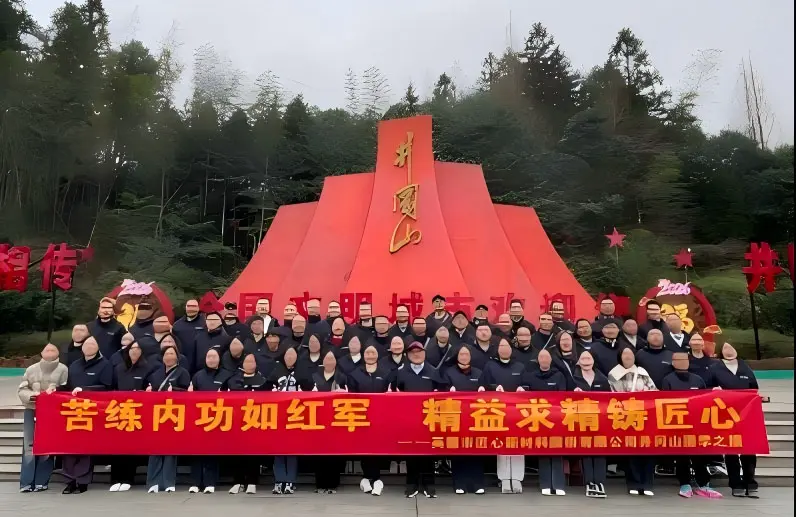
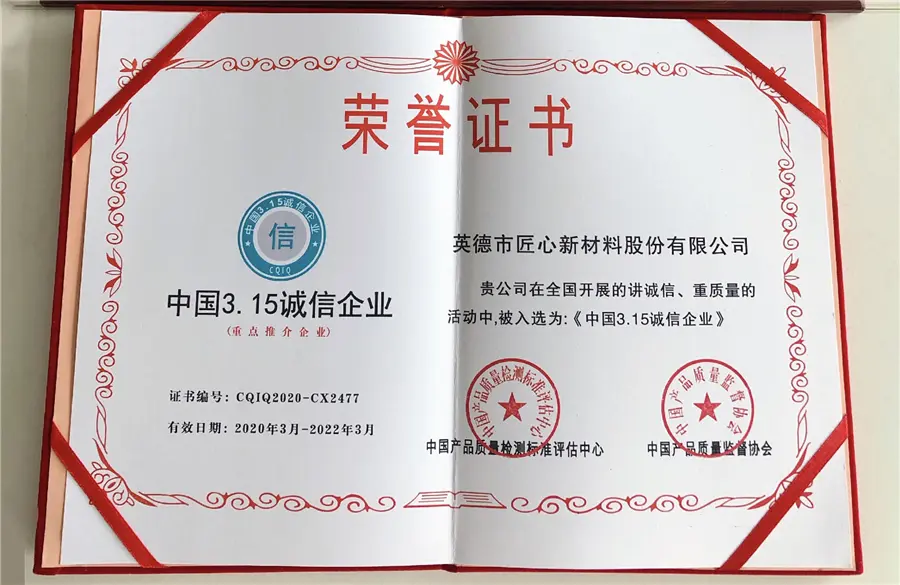
Corporate Milestones & Industrial Accolades
Our progress in management excellence, workforce empowerment, and industrial sustainability leadership is reflected in our ongoing company milestones.
Frequently Answered Questions for Sourcing Directors
Detailed answers to technical, regulatory, and supply chain questions from footwear developers, automotive seating engineers, and international procurement managers.
What specific material families does JiangXin New Material manufacture?
How is biobased renewable content in your synthetic leather analytically verified?
Can JiangXin provide official Transaction Certificates (TC) for RCS chain-of-custody?
Which global chemical compliance and restricted substance list (RSL) criteria do your materials meet?
What is your current manufacturing capacity and facility footprint?
Which mechanical and functional performance properties can be customized during OEM development?
What are your standard Minimum Order Quantities (MOQ) and sample lead times?
RCS-Traceable, Low-Odor & High-Durability Synthetic References
Explore additional certified articles from our laboratory, designed for high-stress footwear uppers, soft-drape apparel, and premium bags.
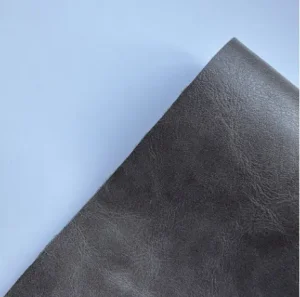
OEM RCS Verified Recycled Content Synthetic Leather-0084 Manufacturer, Factory
View Product Specs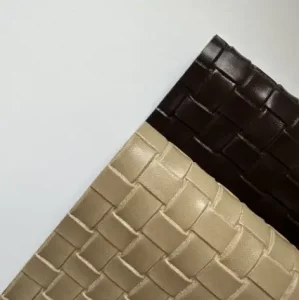
OEM RCS Certified Recycled Sustainable Synthetic Leather-9363 Suppliers, Factory
View Product Specs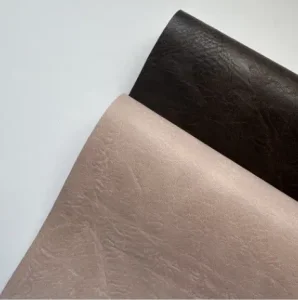
Custom RCS Recycled Base Vegan Synthetic Leather-0163 Manufacturer, Supplier
View Product Specs
Wholesale Eco-Conscious High-Performance Synthetic Leather-0167 Manufacturers, Factory
View Product Specs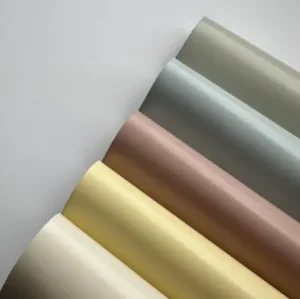
High-Quality RCS Qualified Recycled Green Synthetic Leather-2056 Manufacturers, Supplier
View Product Specs
Wholesale RCS-Certified Traceable Recycled Synthetic Leather-0101 Suppliers, Factories
View Product Specs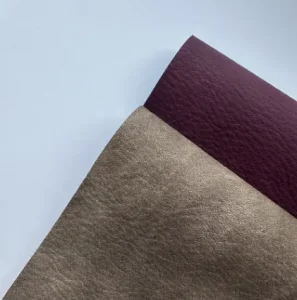
OEM Low Odor Bio-Based Vegan Leather-9237 Suppliers, Factory
View Product Specs