
High-Performance Biomass & RCS Recycled Leathers
Direct-from-manufacturer sustainable substrates engineered to surpass strict brand Restricted Substance Lists (RSL), offering superior physical tear strength, flexural endurance, and verifiable biobased carbon content.
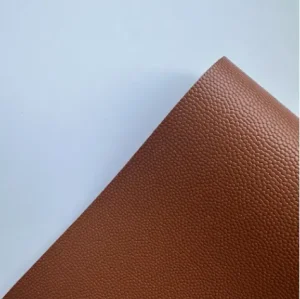
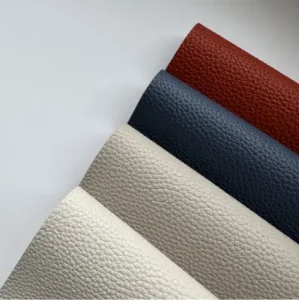
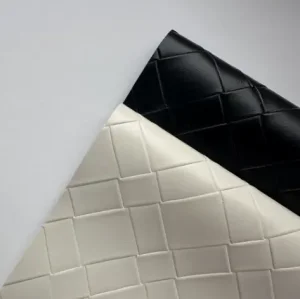
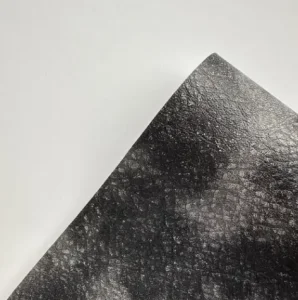
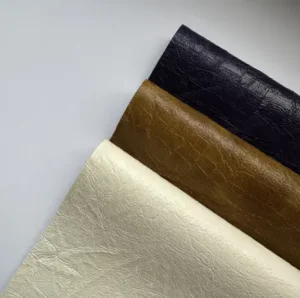
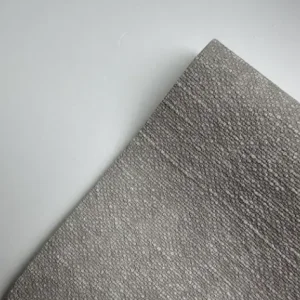
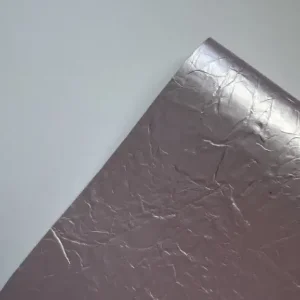
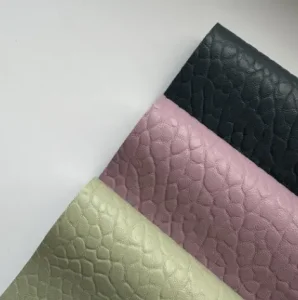
The Global Paradigm Shift: Beyond Petrochemical PU and Bovine Tanning
Global regulatory tightening, carbon border adjustments, and enterprise Scope 3 emissions reporting are forcing Tier-1 brands to fundamentally rethink flexible surface materials.
Regulatory Pressure & CSDDD Compliance
Under the European Union Corporate Sustainability Due Diligence Directive (CSDDD) and the EU Deforestation Regulation (EUDR), bovine leather faces catastrophic supply chain auditing liabilities. Traditional solvent-coagulated DMF (dimethylformamide) PU synthetic leather is simultaneously restricted under EU REACH Annex XVII due to reproductive toxicity concerns.
- Full elimination of SVHC listed toxic carrier solvents
- Zero risk of cattle-ranch deforestation disclosures
- Seamless integration into Digital Product Passports (DPP)
Embodied Carbon & Scope 3 Reductions
According to cradle-to-gate Life Cycle Assessments (LCA) compliant with ISO 14040/14044, conventional cattle leather generates between 65 to 110 kg CO₂ equivalent per square meter, largely driven by enteric methane and land use change. JiangXin bio-based polyurethane architectures cut global warming potential (GWP) by 45% to 75%.
- Biogenic carbon sequestration measured via ASTM D6866
- Replaces petroleum-cracked propylene oxide with renewable bio-polyols
- Significant LCA credits for Scope 3 emissions baselines
The Biomass Leather Economic Tipping Point
Early-generation bio-leathers suffered from commercial non-viability, excessive price premiums (3x–5x conventional PU), and inconsistent tensile strength. Industrial modernization, continuous twin-screw polymerization, and scaled agricultural by-product refining have brought cost-parity within striking distance of high-end virgin microfiber PU.
- Predictable bulk pricing decoupled from petrochemical index volatility
- Uniform roll yield >97% versus 60-70% hide cutting yields
- Consistent industrial surface grain and color uniformity
Enterprise White Paper: Life Cycle Carbon Disruption
A transition from virgin petroleum-based polyurethane resin to 45%–75% biobased carbon content results in a measurable reduction of 4.2 kg CO₂e per linear meter of material produced. Coupled with our rooftop 4.68 MW photovoltaic array and continuous thermal-recovery oxidizers, JiangXin offers high-volume OEM brands an unprecedented path to absolute carbon neutrality in consumer-facing goods.
Molecular Architecture: How Biomass Leather Is Formulated
Engineering robust biomass synthetic leather is a multi-tier chemical synthesis challenge. It requires precise balancing of plant-derived polyols, solvent-free isocyanate reactions, and high-tenacity circular textile backings.
| Material Engineering Matrix | Bovine Finished Hide | Legacy DMF-based PU | JiangXin Biobased PU System | JiangXin RCS Recycled System |
|---|---|---|---|---|
| Feedstock Origin | Livestock farming / slaughterhouse hides | Fossil crude oil / coal petrochemistry | Industrial dent corn / castor seed / bio-polyols | Post-consumer rPET bottles & textile waste |
| Biobased Carbon (ASTM D6866) | 100% (Animal organic) | 0% (100% fossil petroleum) | 30% to 75% verifiable renewable carbon | N/A (Recycled claim verified via TC) |
| Processing Solvents | Chromium VI, aldehydes, sulfuric acid | Dimethylformamide (DMF), MEK, Toluene | 100% Solvent-Free or Waterborne (WBPU) | Waterborne zero-VOC green coagulation |
| Hydrolysis Resistance (Jungle Test) | Prone to bacterial rotting / mold | 3–5 years (Polyether / Polyester degradation) | 5 to 10+ years (Cross-linked aliphatic WBPU) | 5 to 8 years (Engineering grade crosslinking) |
| Cutting & Manufacturing Yield | 60% – 72% (Irregular shape, scars, defects) | 90% – 95% (Continuous roll defects) | 98% – 99.5% (High automated roll uniformity) | 98% – 99.5% (Automated continuous inspection) |
| Scope 1, 2, 3 Footprint Rating | Extremely High Risk | High Petrochemical GWP | Carbon-Mitigated Benchmark | Circular Closed-Loop Standard |
1. Bio-Polyol Polymerization
At the chemical core of our biomass polyurethane is the replacement of fossil-derived polyether or polyester polyols with biological equivalents derived from castor beans (ricinoleic acid derivatives), industrial non-food corn starch, and plant-derived triglycerides. These molecules undergo controlled esterification and transesterification to achieve precise molecular weights and hydroxyl values (OHv).
- Tunable glass transition temperature (Tg) down to -35°C
- High hydrolytic stability via custom aliphatic chain alignment
- Superior tensile elongation up to 450% without micro-fissuring
2. Zero-Solvent Coagulation & Coating
Traditional wet polyurethane production involves dissolving polymer resins in Dimethylformamide (DMF), coagulating in aqueous baths, and washing. JiangXin operates leading-edge 100% solvent-free hot melt extrusion and advanced waterborne polyurethane (WBPU) dispersion lines. No VOCs, no organic solvents, and zero volatile plasticizers are released during manufacturing.
- Eliminates hazardous occupational chemical risks
- Zero chemical effluent discharge into municipal ecosystems
- Compliant with the most stringent indoor air quality norms
3. Structural Substrate Matrix (Backings)
A bio-based surface coating requires a matching circular substrate to provide dimensional stability, seam slippage resistance, and flex-fatigue recovery. We engineer custom substrate pairings using Recycled Claim Standard (RCS) certified post-consumer rPET microfibers, bio-based Lenzing TENCEL™ lyocell, regenerative cotton, and recycled split-leather fibers.
- High needle tear resistance for structural bag and shoe seams
- Ultra-fine microfiber substrates delivering soft calfskin drape
- Multi-directional stretch backing for 3D automotive trim
Yingde Production Campus: 135,733 m² of Clean-Tech Capacity
Located in Yingde, Guangdong Province, China, JiangXin New Material Co., Ltd. (JX.ECO) operates one of Asia's most sophisticated and heavily audited eco-synthetic leather manufacturing plants.
Architectural Clean-Tech Design
Established on June 2, 2017, the facility was custom-built according to modern industrial architecture standards. Featuring floor-to-ceiling tempered glass installations, our processing halls maximize natural daylight, sharply decreasing operational grid reliance while creating an ergonomically elevated and secure environment for technicians.
Closed-Loop Environmental Systems
The campus incorporates an on-site advanced multi-stage physical-chemical-biological wastewater treatment station, heat-recovery economizers on every drying oven, and regenerative thermal oxidizers (RTO) achieving greater than 99.2% VOC destruction efficiency. All process waste is tracked under strictly documented industrial circularity protocols.
Renewable Energy Leadership
Our 4.68 MW rooftop photovoltaic solar system feeds clean, renewable electrical energy directly into continuous dry and waterborne coating lines. By replacing coal-fired thermal grid power with on-site solar, every running meter of JiangXin biomass leather carries an industry-low embodied energy signature verified in audit dossiers.
International Regulatory Compliance & Verification Matrix
Enterprise sourcing demands ironclad documentation. We provide verifiable chain-of-custody transaction certificates, radiocarbon testing reports, and full restricted substance clearance.
USDA BioPreferred & ASTM D6866
Third-party radiocarbon dating quantitatively verifies the percentage of contemporary biogenic carbon versus fossil carbon. Hangtag program ready.
RCS & GRS Chain of Custody
Textile Exchange certified tracking for recycled microfibers, rPET bases, and recycled scrap PU backings. Official Transaction Certificates (TCs) dispatched per batch.
EU REACH & RoHS 2.0
Fully compliant with EU Annex XVII and SVHC Candidate Lists. Free from azo dyes, heavy metals, organotin compounds, chlorophenols, and short-chain chlorinated paraffins.
6P / 17P Phthalate-Free
Formulated without DEHP, DBP, BBP, DINP, DIDP, or DnOP plasticizers. Safe for direct skin contact, infant footwear, and high-frequency wear applications.
OEKO-TEX® Standard 100
Certified Class I & II harmlessness testing, verifying that every square decimeter of finished coated textile meets ecological and physiological human health standards.
Higg Index (FEM / FSLM)
Audited facility environmental and social labor modules, enabling transparent score integration into Sustainable Apparel Coalition enterprise supply portals.
amfori BSCI Social Audit
Comprehensive third-party assessment guaranteeing ethical workplace safety, fair wages, zero child labor, and responsible social governance across all campus operations.
ISO 9001, 14001, 45001
Standardized quality management, environmental lifecycle stewardship, and occupational health systems governing continuous production consistency roll after roll.
Precision Formulated for Demanding Commercial Applications
From cryogenic flexibility in winter running shoes to zero-fogging automotive specifications, JiangXin tunes mechanical resilience, grain memory, and tactile luxury for every category.
Athletic & Lifestyle Footwear
Engineered for high vamp dynamic stress, tongue padding, and heel counter reinforcement. Formulated to resist high abrasion, scuffing, and mud penetration.
- Bally Flexometer: >100,000 cycles at 20°C
- Cold-crack resistance down to -25°C
- Hydrolysis Resistance: 5–8 weeks jungle test
- Optimized for ultrasonic welding & hot stamping
Luxury Handbags & Leather Goods
Replicating the tactile fullness, warm hand-feel, and natural grain break of full-grain aniline calfskin without chemical plasticizer migration.
- Fine toothpick, pebble, saffiano, & nappa grains
- Compatible with high-temp edge painting
- Excellent seam fatigue and stitch tear pull
- Stain-shield topcoat: alcohol, coffee, and oil resistant
Automotive Seating & Trim
Engineered for high-traffic vehicle interiors requiring strict flammability ratings, ultra-low fogging emissions, and prolonged solar UV resistance.
- DIN 75201 automotive low-fogging compliance
- QUV accelerated UV aging: >1,000 hours
- FMVSS 302 / ISO 3795 flame retardancy
- Martindale Abrasion: >100,000 revs dry / wet
Smart Wearables & Electronics
Ultra-thin, non-conductive, and skin-compatible bio-based polyurethanes designed for smartwatch bands, headphone earcups, and tablet smart covers.
- ISO 10993 cytotoxicity and skin irritation safe
- Sweat, sebum, and cosmetic cream barrier
- High-frequency RF weldable and precision die-cut ready
- Available in featherweight calibers (0.5mm – 0.8mm)
The 2025–2035 Biomass Leather Technical Roadmap
Continuous evolution from first-generation agricultural polyols toward high-potency non-food biowastes, mycelium hybridization, and full chemical circularity.
Agri-Starch & Castor Polyols
Commercial baseline. Utilization of plant-derived polyols replacing 30%–50% fossil carbon in polyurethane resins. Waterborne solvent-free coating on recycled rPET woven and microfiber substrates.
Upcycled Agrifood Residuals
Incorporation of non-food biomass waste streams including apple pomace, sugarcane bagasse, grape skins from viniculture, and coffee grounds as functional micro-fillers, achieving 50%–75% bio-content.
Mycelium & Bacterial Cellulose
Cultivated fungal hyphae matrices hybridized with bio-polyurethane binders. Zero arable land pressure, self-assembling tensile fibers yielding pure vegan leather without petrochemical structural backings.
Enzymatic Circular Depolymerization
Closed-loop circular polyurethane that can be enzymatically digested at end-of-life back into pure bio-polyols and pure amines, preventing landfill disposal and closing the loop infinitely.
End-to-End OEM & ODM Collaboration Protocol
A rigorous five-stage stage-gate development cycle engineered for enterprise supply chain visibility, rapid swatch turnaround, and risk-free bulk container scaling.
Phase 01: Tech Pack & RSL Intake
Submit your physical requirements: target thickness (0.4mm to 2.2mm), hand feel (silky, dry, oily, rubberized), grain pattern, base backing type, bio-content targets, and compliance restrictions.
Phase 02: Rapid Swatch & Lab Dip
Our lab formulates lab dips and grain swatches within 3 to 5 business days. Spectrophotometer color matching (CIE L*a*b* ΔE < 0.8) guarantees precise chromatic fidelity against physical targets.
Phase 03: Full Battery Validation
Pilot sample rolls undergo comprehensive physical and chemical testing: Bally flex, Martindale rub, flame retardancy, VOC emission analysis, and ASTM D6866 radiocarbon baseline testing.
Phase 04: Bulk Scaling & QC Audit
Formulations are locked and loaded onto continuous automated coating lines. Continuous optical cameras scan for roll surface defects, thickness consistency, and color variance roll-by-roll.
Next-Generation Bio-Based & Eco Synthetic Solutions
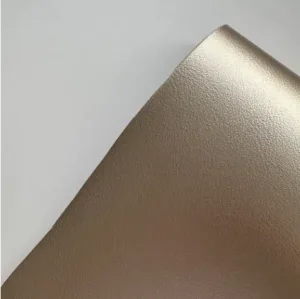
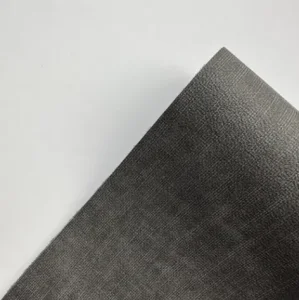
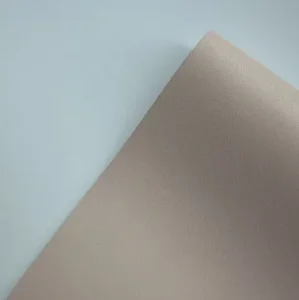
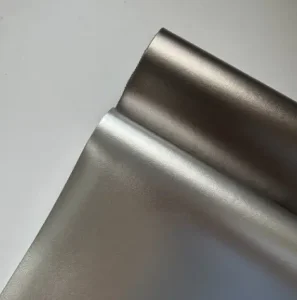
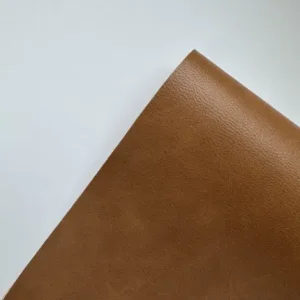
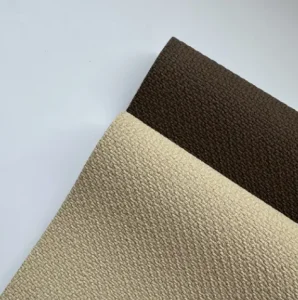
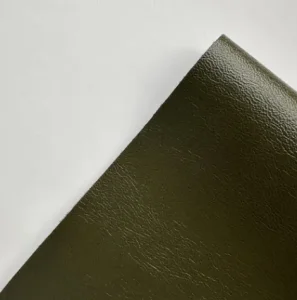
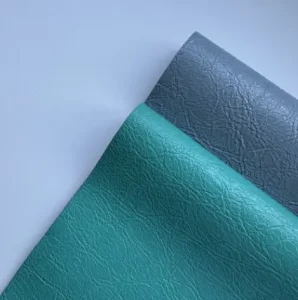
Explore our additional specialized sustainable synthetic leathers, formulated for international luxury, footwear, apparel, and technical leather goods manufacturing.
Frequently Asked Questions: Sourcing OEM Biomass Leather
Detailed technical, regulatory, and logistical answers direct from JiangXin's chemical engineering and international sales directorate.