
OEM High-Performance Bio-Based Synthetic Leather Articles
Engineered for global luxury, automotive, and sports footwear brands demanding renewable carbon polyols without sacrificing hydrolytic performance.
-
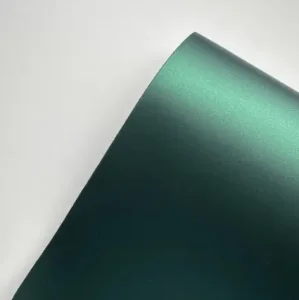
OEM High Bio-Content Plant-Based Synthetic Leather-1001 Supplier, Factory
-
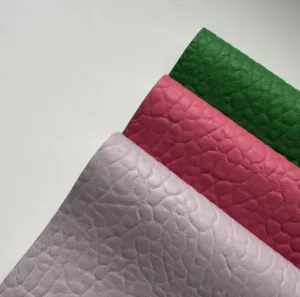
High-Quality Eco‑Friendly Sustainable Synthetic Leather-9239 Supplier, Suppliers
-
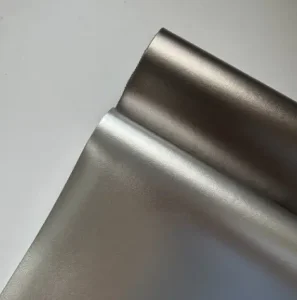
Wholesale Eco Plant-Based Renewable Synthetic Leather-2056 Supplier, Factories
-
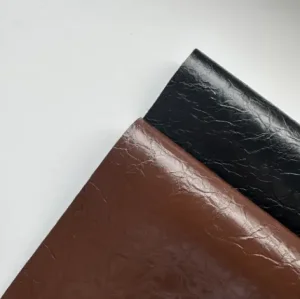
OEM RCS Certified Recycled Eco Synthetic Leather-9200 Factory, Factories
-

Custom Sustainable Bio-Based Vegan Leather-2002 Manufacturer, Factories
-
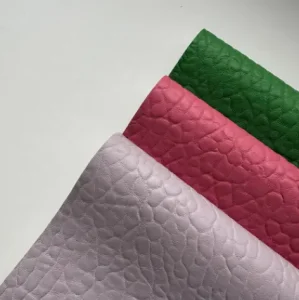
Wholesale Bio-Based Renewable Synthetic Leather-9293 Supplier, Factories
-
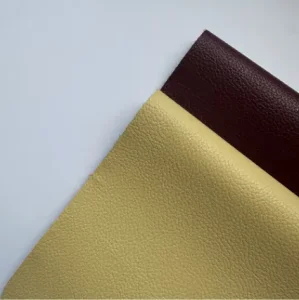
Wholesale Plant-Derived Renewable Bio-Based Synthetic Leather-9350 Manufacturers, Factories
-
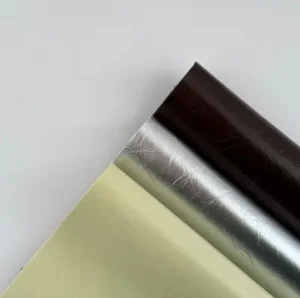
OEM Sustainable Eco-Friendly Faux Leather-0195 Manufacturers, Supplier
The Global Shift: Petroleum-Free Feedstocks & Polymer Evolution
Analysis of regulatory catalysts, chemical transition pathways, and consumer-led demands transforming synthetic polyurethane production.
Stringent Regulatory Mandates
The tightening of EU REACH annexes, California Proposition 65, and corporate scope 3 reporting demands have rendered conventional DMF-based, petroleum-derived PU obsolete. Bio-based PU leather with audited Life Cycle Assessments (LCA) is now a market access requirement rather than a premium novelty.
Next-Gen Plant Chemistry
By extracting non-food grade industrial bio-polyols from corn starch, castor oil, and agricultural residue, modern OEM synthesis replaces 30% to 75% of fossil carbon. These matrices maintain exceptional molecular cross-linking, providing superior flexibility and cold-crack resistance down to -30°C.
Traceability & Radiocarbon Metrics
Greenwashing scrutiny requires third-party verifiable evidence. OEMs now rely on ASTM D6866 radiocarbon C14 isotope analysis to legally substantiate bio-carbon percentages alongside USDA BioPreferred and GRS/RCS chain-of-custody transaction certifications.
China Factory 4.0: Resilient Infrastructure & Technical Precision
Combining vertically integrated chemical synthesis, rooftop solar generation, and automated dry/wet transfer lines at our Yingde campus.
Closed-Loop Dry Processing
State-of-the-art solvent-free and water-borne PU lines utilizing 100% solid polyurethane resins to eliminate harmful VOC emissions, reducing thermal curing cycle waste by 42%.
4.68 MW Photovoltaic Grid
Our campus operates under an extensive rooftop clean energy system, drastically decreasing the embedded carbon footprint (CO2e/m²) of every delivered roll of synthetic leather.
Digital Color & Viscosity Calibration
Computerized color spectrophotometers and automated polymer feeding systems achieve batch-to-batch Delta-E tolerance under ≤0.5, ensuring continuous bulk consistency.
Wastewater & Heat Recovery
Fully compliant on-site wastewater reclamation paired with intelligent thermal heat exchangers capture and reuse exhaust energy directly back into the drying chambers.
Engineering Specifications & Compliance Standards
Direct laboratory data comparing our bio-based PU formulations against common international quality criteria for tier-one OEM integration.
| Evaluation Parameter | Test Standard | Standard Synthetic PU | JX.ECO Bio-Based PU Series |
|---|---|---|---|
| Bio-Renewable Carbon Content | ASTM D6866-22 Method B | 0% (Petroleum fossil-based) | 30% to 75% Custom Verifiable |
| Hydrolysis Resistance (Jungle Test) | 70°C, 95% Relative Humidity | 3 - 5 Weeks | 8 - 10 Weeks (Premium Auto/Shoe Spec) |
| Bally Flex Resistance | ISO 5402 / ASTM D6182 | 50,000 Cycles @ Room Temp | ≥ 100,000 Cycles (No Cracking) |
| Taber Abrasion Resistance | ASTM D3884 (CS-10, 1000g) | 1,000 - 1,500 Revolutions | ≥ 3,500 Revolutions |
| Chemical / VOC Compliance | GC-MS / EN 14602 | Trace DMF / Regulated Solvents | Zero DMF, REACH, RoHS, 6P Phthalate-Free |
| Backing Textile Integration | Chain of Custody Standard | Virgin Polyester / Conventional Cotton | RCS Certified rPET / Organic Bamboo Rayon |
Engineered for High-Stress Commercial Realities
Discover how bio-based polyurethane outperforms traditional skins across distinct end-market use cases.
Athletic & Luxury Footwear
Engineered to handle severe torsional flex, high tensile loads, and dynamic abrasion. Features micro-porous breatheability, light gram weight, and high peel strength suited for cold-cementing and injection moulding assemblies.
Automotive Seating & EV Interiors
Formulated with non-migrating UV inhibitors and flame retardants meeting FMVSS 302 and ISO 3795 standards. Exhibits zero glass fogging, odorless cabin performance, and antimicrobial surface coatings for mobility fleets.
Designer Handbags & Accessories
Delivers authentic leather-like drape, tactile hand feel, and fine-line grain fidelity (toothpick, nappa, pebbled, or stitched textures). Excellent die-cutting edge retention and compatibility with structural heat-creasing.
Frequently Asked OEM Sourcing Questions
Clear, unhedged answers covering chemical formulation, chain of custody certification, and production MOQs.
What chemical difference sets bio-based PU leather apart from conventional synthetic leather?
How is bio-content authenticated for international import clearance and ESG audits?
Does bio-based polyurethane degrade faster or sacrifice physical durability over time?
Can bio-based PU coatings be combined with recycled backing textiles?
What are the standard OEM lead times, sample yardage protocols, and bulk MOQs?
Bio-Derived & Recycled Formulations Ready for Global Deployment
Direct supply allocations from our Yingde campus: fully compliant with REACH SVHC, OEKO-TEX 100, and corporate Restricted Substance Lists (RSL).
-
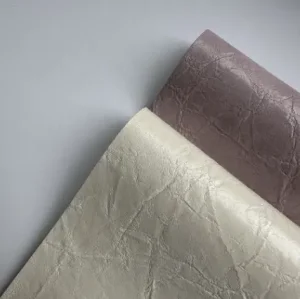
High-Quality RCS Approved Recycled‑Content Synthetic Leather-0212 Suppliers, Factories
-

Wholesale RCS-Certified Traceable Recycled Synthetic Leather-0101 Suppliers, Factories
-
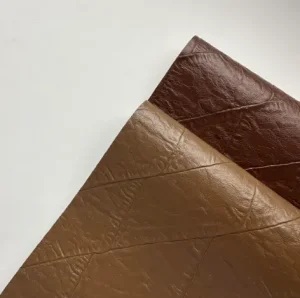
OEM Non-Toxic Vegan Eco Synthetic Leather-9266 Manufacturers, Manufacturer
-
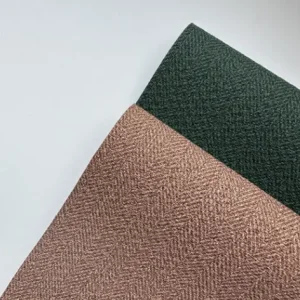
High-Quality Eco-Certified Sustainable Synthetic Leather-9323 Manufacturers, Factory
-
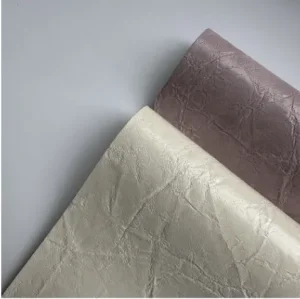
High-Quality RCS Recycled Synthetic Leather-0212 Manufacturer, Factory
-
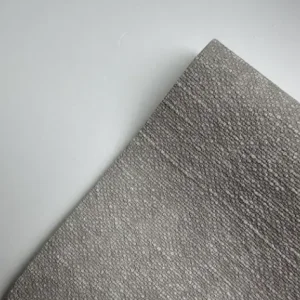
High-Quality Plant‑Derived Bio‑Based Synthetic Leather-9020 Manufacturer, Supplier
-
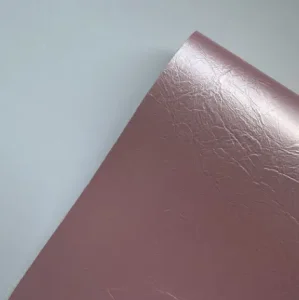
Custom Plant-Derived Bio-Based Synthetic Leather-0195 Manufacturers, Factories
-

OEM Plant-Derived Renewable Bio-Based Synthetic Leather-2071 Manufacturers, Factory
Initiate Bio-Based Material Development with Yingde Campus
Work directly with specialized chemical engineers to calibrate plant polyol fractions, customize tactile grains, and receive verified compliance dossiers matched to your specific product timeline.