Plant-Renewable
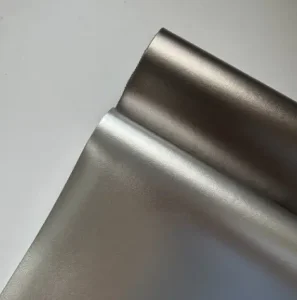
Lab-validated plant-based polyols and low-carbon synthetic substrates ready for global bulk production and sampling.
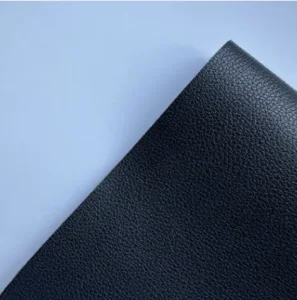
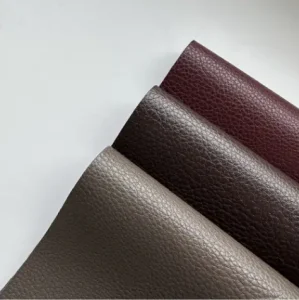

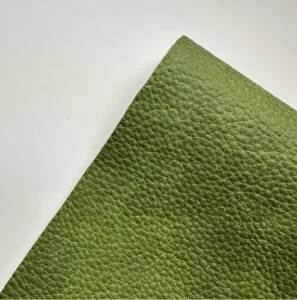
How cutting-edge industrial factories replace petrochemically sourced polymers with bio-attributed polyols without sacrificing tensile strength or hydrolysis resistance.
Traditional PU leather utilizes polyether or polyester polyols derived exclusively from crude oil refining cracking streams. Advanced biobased factories replace up to 30%–75% of fossil polyols with functional plant oils (such as castor bean seed, industrial non-food corn starch, and agricultural lignocellulosic by-products). These bio-polyols are chemically modified to deliver precise hydroxyl numbers (OH values) and molecular weights identical to petro-chemical equivalents.
Traditional DMF (Dimethylformamide) wet-process coagulation lines create substantial volatile organic compound (VOC) exposure and rigorous effluent management burdens. China’s premier manufacturing plants implement 100% solvent-free hot-melt reaction systems or aqueous (waterborne) PU dispersions (PUD). This eliminates hazardous solvent traces within finished matrices while satisfying rigid restricted substance lists (RSL).
A plant-based skin layer requires a cohesive structural backing. High-performance factories pair biobased PU resins with Recycled Claim Standard (RCS) certified post-consumer recycled (rPET) microfibers, or bio-renewable fabrics woven from organic cotton, bamboo viscose, and hemp fibers. This composite matrix ensures isotropic tensile strength, superior peel resistance, and seam-burst integrity.
The convergence of upstream chemical engineering, circular supply chain clusters, renewable energy scaling, and unmatched volume capacity.
Unlike Western boutique converters who import expensive raw bio-polymers, Chinese industrial hubs in Guangdong and Zhejiang are integrated directly with intermediate chemical refining plants. Base bio-diols, catalyst synthesis, backing-cloth weaving, and release-paper texturing operate in close geographic proximity, compressing R&D cycles and insulating brands from raw material shocks.
Advanced Chinese synthetic leather facilities lead global compliance by constructing multi-megawatt rooftop photovoltaic solar arrays (e.g., JiangXin’s 4.68 MW PV installation). This directly powers clean-running dry-process and transfer lines, cutting the carbon intensity per linear meter of biobased vegan leather to some of the lowest audited figures in the global material market.
European and American bio-leather startups often price experimental materials at $40 to $90 per linear meter with multi-month lead times. Chinese mega-factories achieve industrial economies of scale, delivering certified biobased synthetic leather (ASTM D6866 certified) at competitive FOB metrics that empower mass commercialization across footwear and fashion collections.
Leading Chinese factories operate with full amfori BSCI social compliance, ISO 9001 quality frameworks, ISO 14001 environmental safety systems, and verified Higg Facility Environmental Module (FEM) ratings. International procurement teams secure zero-friction onboarding, documented traceability, and uncompromised regulatory safety.
Aligning raw material architecture with Corporate Sustainability Due Diligence Directives (CSDDD), EU Deforestation Regulations, and circular tech-pack specifications.
European and US enterprise groups are systematically divesting from animal hide tanneries due to EU Deforestation Regulation (EUDR) burdens and chromium-6 toxicity liability. Plant-based synthetic leather factories provide a completely vegan, traceable, deforestation-free substrate with an audited zero-slaughter supply chain.
Brands with verified Science Based Targets initiative (SBTi) roadmaps must demonstrate absolute lifecycle CO2 reductions across purchased raw goods. Switching from legacy petrochemical PVC/PU to bio-based and RCS-certified recycled composite polyurethane yields a documented 35%–58% reduction in cradle-to-gate carbon emissions.
Global brands cannot afford container rejections at customs ports. Modern vegan leather factories engineer materials free of banned plasticizers (6P / ortho-phthalates), organotin compounds, short-chain chlorinated paraffins (SCCP), dimethyl fumarate (DMFu), and Per- and Polyfluoroalkyl Substances (PFAS).
Formulating distinct surface resins, topcoats, and backing layers to withstand specific mechanical stresses across vertical markets.
Demands superior flex endurance, scratch resistance, and ball-burst elasticity. Our biobased PU formulations sustain >100,000 Bally flex cycles at -10°C cold conditions without surface micro-cracking or grain delamination, making them ideal for sneaker uppers, collars, and tongue badges.
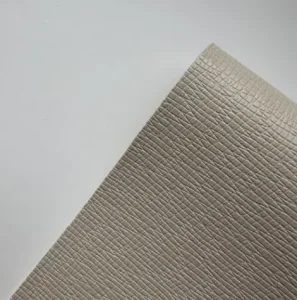
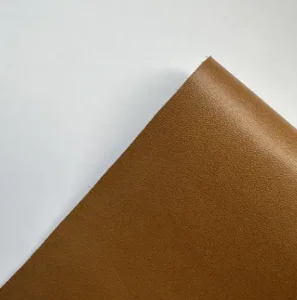
Requires structured temper, authentic leather grain definitions (such as Toothpick, Pebble, or Napa grains), and edge-paint compatibility. Engineered bio-based surfaces offer flawless skiving capabilities, precise crease retention, and high resistance to daily sebum oil degradation.
Emphasizes ultra-soft drape, thermal stability, breathable vapor permeability, and water repellency. Solvent-free water-based bio PU guarantees zero off-gassing odors and skin-safe hypoallergenicity when worn directly in contact with skin or in moisture-rich environments.
A structured 5-stage procurement pipeline from physical tech pack handoff to containerized roll shipment.
Buyers submit target thickness (0.6mm–2.2mm), required biobased carbon % (ASTM D6866), backing matrix (rPET, bamboo, microfiber), and color/grain references.
Pilot transfer lines produce A4 swatches and 10-meter sample rolls within 5–7 working days for physical hand-feel, pull-up, and initial mechanical testing.
Samples undergo 10-week Jungle Test conditions (70°C, 95% RH) to certify hydrolytic longevity alongside third-party chemical screening (SGS / Intertek).
Computer-vision inspection cameras monitor high-speed coating lines, tracking thickness deviations, surface inclusions, pinholes, and color consistency (ΔE < 0.5).
Rolls are moisture-barrier wrapped, palletized, and accompanied by formal USDA BioPreferred, RCS Transaction Certificates, and export compliance documents.
Direct answers from our senior chemical engineers and export supply chain directors.
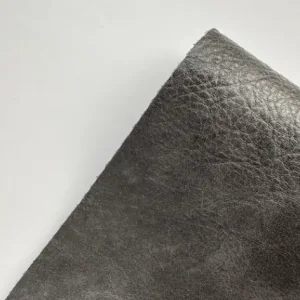
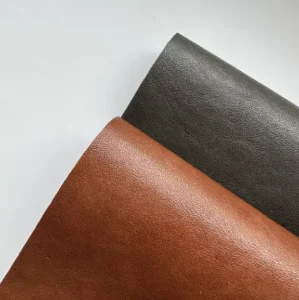
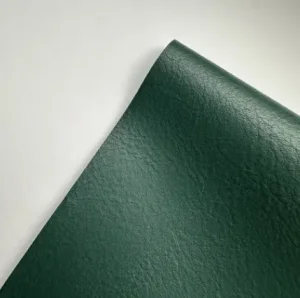
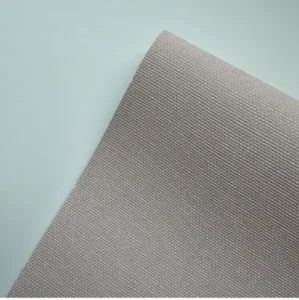
Explore our complete commercial series ready for international spec-in and immediate swatch delivery.