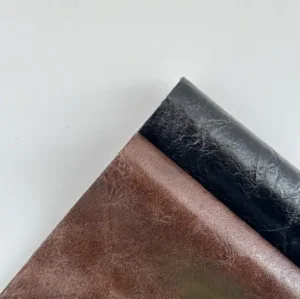
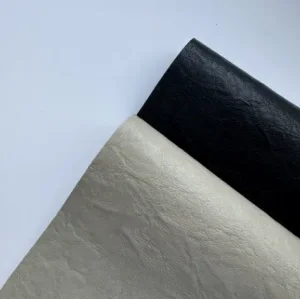
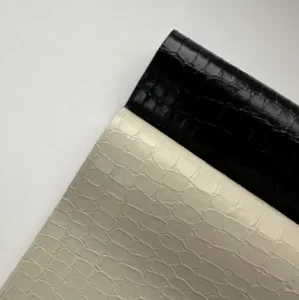
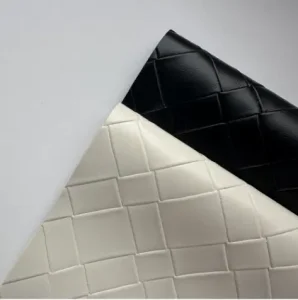
Engineered Bio-Based & Circular Leather Solutions
Explore high-performance vegan leather lines combining renewable agriculture feedstocks with zero-compromise mechanical flex and abrasion specs.

Global Market Evolution: The Decarbonization Imperative
Transitioning from petroleum-reliant PVC and standard PU to certified bio-based polyurethane is no longer merely an ESG initiative—it is a core requirement for cross-border regulatory compliance.
Stringent Anti-Greenwashing Mandates
The EU Corporate Sustainability Due Diligence Directive (CSDDD) and the Green Claims Directive require verified carbon tracking. Biobased leather suppliers must deliver verifiable isotopic radiocarbon testing (ASTM D6866) rather than subjective environmental claims.
Tier-1 Brand Decarbonization Targets
Global luxury groups, sportswear titans, and automotive tier suppliers have established mandatory Scope 3 emissions reductions of 30% to 50% by 2030. Bio-polyols synthesized from corn, castor beans, or agricultural waste yield an immediate 40%+ LCA carbon savings.
Phase-Out of Hazardous Solvents
Regulatory caps on dimethylformamide (DMFa) and VOC outgassing have driven global procurement shifts toward 100% water-borne systems and solvent-free extrusion coatings that preserve microcellular structural performance.
Smart Manufacturing & Supply Chain Resilience
Operating from our modern 135,733 m² campus in Yingde, Guangdong, JiangXin integrates petrochemical compliance, full-process automated coating, and closed-loop environmental controls. Our digitalized plant ensures batch-to-batch chemical stability, ultra-low carbon intensity, and high production agility.
Powered by a 4.68 MW rooftop photovoltaic array, our facilities minimize external energy draws. Integrated waste heat recovery and a dedicated industrial wastewater plant maintain clear audit trails for international ESG reporting.
Engineered for High-Stress Commercial Scenarios
Synthesizing sustainable polyols without sacrificing hydrolysis life, tensile yield, or grain resilience under variable operating conditions.
Performance Footwear
Engineered for high dynamic flexing (100,000+ cycles at -10°C), superior ball-burst strength, and tailored breathability for athletic uppers, hiking boots, and designer sneakers.
Luxury Handbags & Goods
Replicating calfskin hand-feel and drape. Optimized edge-paint adhesion, clean skiving capability, and scratch-resistant surfaces tailored for global fashion houses.
Automotive & Transit
Formulated to satisfy strict cabin air quality standards: low VOC outgassing, high flame retardancy (FMVSS 302), and anti-fogging UV stability under high thermal cycling.
Contract Furnishings
Stain-resistant finishes, cold-crack resistance, and hospital-grade antibacterial barrier options engineered for high-traffic hospitality, commercial, and executive interiors.
Essential Sourcing & Compliance Clarifications
Addressing engineering specifications, regulatory verification, and minimum order requirements for corporate buyers.
What is the fundamental difference between standard PU, bio-based PU, and RCS-recycled leather?
How is renewable bio-content verified for customs and ESG auditing?
Does bio-based polyurethane sacrifice hydrolysis or tensile lifespan compared to petro-PU?
What export safety and chemical compliance standards does JiangXin satisfy?
High-Spec Bio-Derived & Recycled Formulations
Review additional specialized references customized for grain definition, thickness gradients, and composite backings.