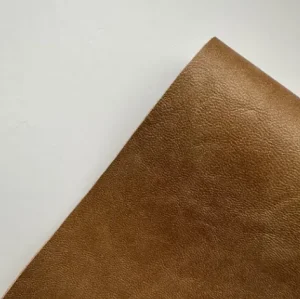
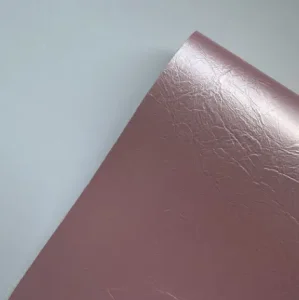
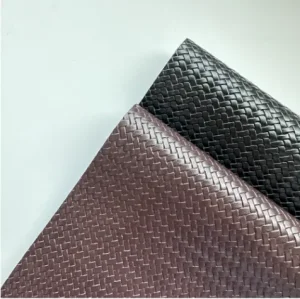
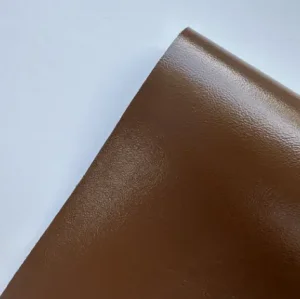
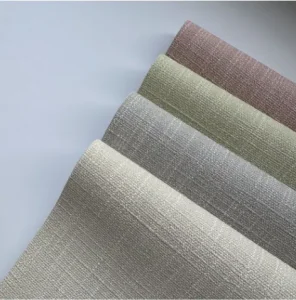
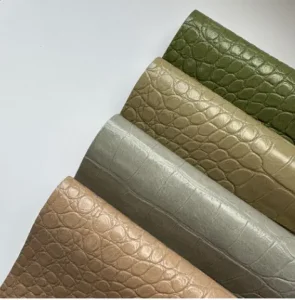
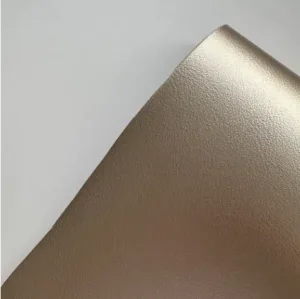
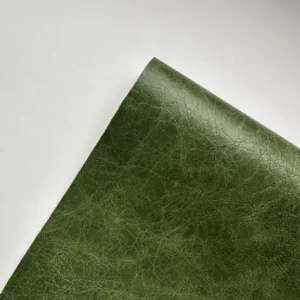
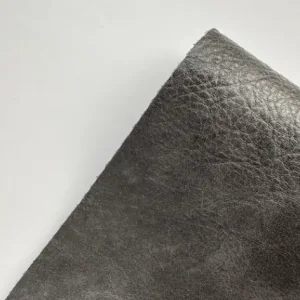
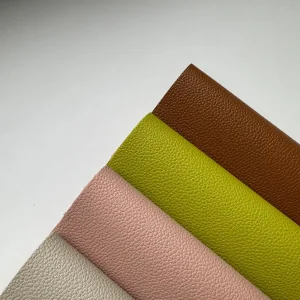
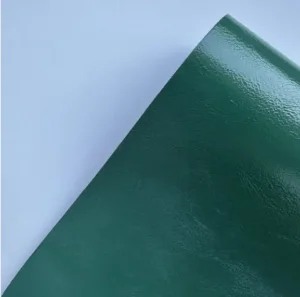
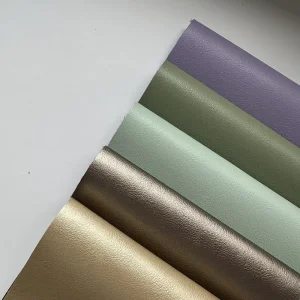
Featured Eco-Synthetic Leather for Contract Seating
Select from our lab-tested, high-performance upholstery references optimized for dining chairs, commercial banquettes, and executive hospitality environments.
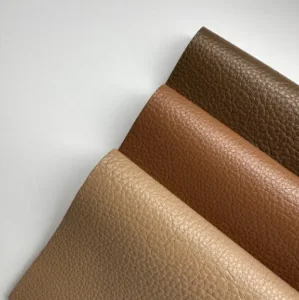
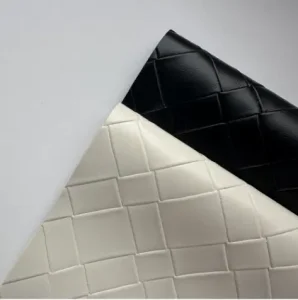
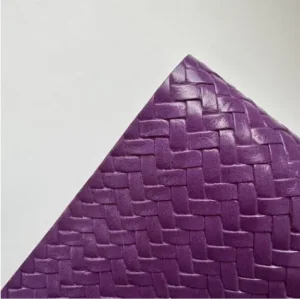
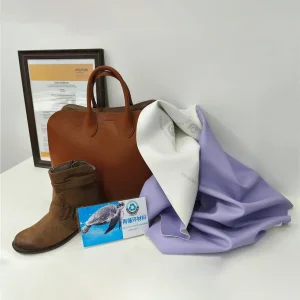
Global Landscape: The Ecological Transformation of Contract Seating
As architects, hospitality conglomerates, and residential furniture brands commit to Scope 3 carbon neutrality, the traditional faux leather dining chair supply chain is facing an unprecedented technical evolution.
In high-density commercial dining, restaurant chains, and boutique residential developments, upholstered dining chairs undergo extreme stress: constant abrasive friction, exposure to acidic food spills, chemical sanitization, and variable room microclimates. Historically, manufacturers relied on conventional Polyvinyl Chloride (PVC) formulations loaded with phthalate plasticizers or solvent-borne Polyurethane (PU) containing toxic residual Dimethylformamide (DMF). Today, stringent international ESG frameworks—including the European Union Corporate Sustainability Due Diligence Directive (CSDDD), California SB 253, and strict LEED v4.1 interior emissions criteria—render toxic legacy materials completely obsolete for forward-thinking OEMs.
The contemporary green factory ecosystem, pioneered by Yingde City JiangXin New Material Co., Ltd. (JX.ECO), replaces petro-based constituents with plant-derived polyols (USDA BioPreferred verified) and post-consumer recycled substrates compliant with the Recycled Claim Standard (RCS). This transition guarantees that contract dining chairs meet both stringent environmental governance parameters and the rigorous mechanical demands of high-turnover seating applications.
| Performance / Ecological Metric | Legacy PVC Dining Upholstery | Standard Solvent-PU (DMFa) | JX.ECO Green Factory Solution |
|---|---|---|---|
| Primary Carbon Feedstock | 100% Fossil / Chlorine Derivates | 100% Petroleum Hydrocarbons | Bio-Based Polyols + Recycled rPET |
| VOC & Plasticizer Migration | High (Phthalates / Off-gassing) | Medium (Residual DMFa risks) | Zero Detectable VOCs / Solvent-Free |
| Abrasion Endurance (Martindale) | 30,000 - 50,000 Cycles | 50,000 - 80,000 Cycles | > 100,000 - 200,000 Double Rubs |
| Hydrolysis Resistance (Jungle Test) | Brittle cracking after 2-3 years | Delamination at 3-5 years | 7 to 10+ Years Guaranteed |
| Circular Verification & Audits | Non-traceable | Limited | RCS, USDA Biobased, Higg FEM, BSCI |
Inside the Green Factory: Next-Gen Clean Production
True sustainability starts at the reactor level. Discover how our Yingde industrial park operates as a zero-compromise, energy-positive circular synthetic leather facility.
4.68 MW Photovoltaic Roof
Our expansive campus harnesses clean solar energy directly on-site, supplying the primary power required for high-precision coating and curing lines while mitigating over 3,800 tons of grid CO2 emissions annually.
- Low carbon conversion footprint
- Solar-curtailed manufacturing lines
- Carbon certificate transparency
Closed-Loop Solvent Recovery
Equipped with cutting-edge VOC abatement and industrial thermal incinerators, over 99.2% of industrial vapours are condensed, distilled, and reintroduced into internal synthesis, yielding zero hazardous airborne release.
- 99.2% VOC recycling efficiency
- Solvent-free casting technologies
- Ultra-low atmospheric emissions
Biological Wastewater Treatment
Our dedicated municipal-grade water reclamation station treats process discharge using anoxic-aerobic biological purification, allowing recycled rinse waters to continuously cool calendering rolls without local ecosystem load.
- Zero toxic effluents discharge
- In-house tertiary filtration stages
- Continuous COD/BOD online sensors
Localized Application Scenarios: Engineered for Dynamic Hospitality
Explore how our biobased and recycled leather rolls are customized across high-demand dining seating categories worldwide.
1. High-Traffic Restaurant & Banquet Seating
Commercial restaurants require materials that withstand continuous guest turnover, greasy food spills, and frequent wipe-downs with commercial detergents. Our high-density polyurethane surface forms a cross-linked shield against staining agents such as mustard, red wine, coffee, and vinegar.
- Anti-fouling oleophobic polyurethane barrier
- Stain release performance verified under ASTM D1308
- Zero seam distortion under repeated dynamic load
2. Luxury Hotel Dining & Executive Lounges
For fine dining chairs and penthouse breakfast nooks, tactile richness is paramount. JX.ECO dry-process micro-textured finishes achieve the authentic buttery drape, natural grain break, and warm ambient hand-feel of genuine aniline leather—without utilizing animal hides.
- Micro-vented breathability avoiding user perspiration
- Tailored embossed grains (Semi-aniline, Nappa, Pebble, Toothpick)
- Superior drape for tufted, pleated, and curved wood chair backs
3. Senior Living & Healthcare Dining Rooms
Senior living communities demand dining upholstery that balances welcoming aesthetics with strict biocide capabilities. Our antibacterial matrices prevent cross-contamination and inhibit microbial colonization while resisting alcohol and bleach based disinfectant solutions.
- ISO 22196 antimicrobial efficacy (> 99.9% bacterial reduction)
- Resistant to 10% sodium hypochlorite bleach sanitation
- Waterproof membrane preventing foam core saturation
4. Sustainable Residential & Fast-Turn Furniture
Direct-to-consumer and boutique furniture makers leverage our roll-to-roll consistency to optimize automated CNC leather cutting operations, slashing scrap rates by up to 25% compared to irregular natural hide contours.
- Uniform roll thickness (1.0mm to 1.4mm standard)
- Stable tensile and tear resistance (ISO 13934-1 & ISO 13937-2)
- OEKO-TEX Standard 100 Class II skin-contact clearance
Engineering Matrix: Tri-Layer Green Seating Architecture
Anatomy of an eco-conscious upholstery surface: each tier is precision engineered for durability, flame resistance, and traceable circularity.
Protective Polycarbonate Topcoat
Formulated with waterborne polyurethane dispersion (PUD), this exterior barrier resists scratch tests, UV photo-aging, and cosmetic degradation from skin oils and food greases.
- UV Colorfastness (ISO 105-B02 Grade 6+)
- Cold-crack resistance down to -25°C
- Phthalate-free and solvent-free compliance
Bio-Polyol Sponge Layer
Our mid-cushioning cellular layer substitutes non-food industrial starches and plant oils for petro-polyols. Measured via ASTM D6866 radiocarbon testing to yield verifiable bio-based content.
- USDA BioPreferred certification ready
- Superb resilience against foam fatigue
- Inherent acoustic sound absorption properties
RCS Recycled Substrate Backing
Constructed from post-consumer recycled PET bottles, our knitted and microfiber backing fabrics offer dimensional stability, stitch-holding stamina, and complete supply chain transparency.
- Recycled Claim Standard (RCS) TC documentation
- Tensile load strength > 650 N / 5cm
- Compatible with CAL 117 & BS 5852 Crib 5 treatment
Macro Enterprise Solutions for Dining Chair Manufacturers
From lab bench sample replication to rapid consolidated container shipments, discover how JX.ECO de-risks material procurement for global furniture supply chains.
Complete Regulatory Dossiers
We provide brand clients with certified testing reports spanning EU REACH (SVHC compliance), RoHS, 6P Phthalate-free criteria, and Higg Facility Environmental Module (FEM) ratings to satisfy demanding corporate governance protocols.
Color & Grain Custom Matching
Our rapid-response chemistry lab formulates custom color targets (Pantone / RAL / physical fabric swatches) within 5 working days, maintaining delta-E tolerances below 0.8 across multiple bulk production runs.
Direct Factory Export Consolidation
Operating just north of the Pearl River Delta logistics corridor, our manufacturing campus delivers swift FOB/CIF container shipping through Guangzhou and Shenzhen ports to contract furniture manufacturing hubs across Europe, the Americas, and Southeast Asia.
Frequently Asked Questions (Contract Sourcing & Engineering)
Direct answers to the most common technical questions asked by contract furniture designers, purchasing heads, and ESG project certifiers.
What qualifies JiangXin New Material (JX.ECO) as a certified "Green Factory" for faux leather dining chair upholstery?
How does bio-based faux leather compare to real leather and petroleum PU in dining chair longevity?
Can your faux leather meet commercial flame retardancy standards for dining chairs (CAL 133 / BS 5852 Crib 5)?
How do you support RCS (Recycled Claim Standard) chain of custody for furniture brand audits?
How does faux leather dining chair upholstery resist repeated cleaning with harsh restaurant disinfectants?
What is the minimum order quantity (MOQ) and production turnaround for custom dining chair colors and textures?
Advanced Biobased & Waste-Upcycled Seating Materials
Explore our specialized references engineered for circular commercial dining collections, institutional hospitality, and low-carbon architecture specifications.