
Engineering Grade Sustainable Synthetic Leather References
Direct mill specifications designed for extreme physical wear, flex fatigue endurance, and audited chemical compliance across footwear, automotive, and technical accessories.
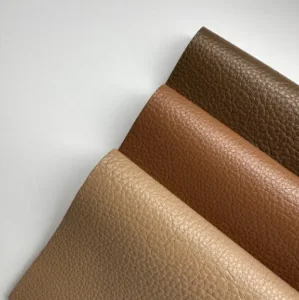 RCS Certified
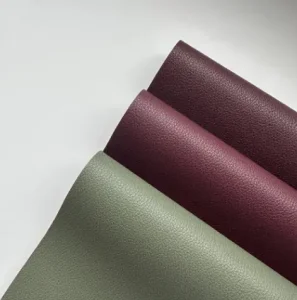 Bio-Derived
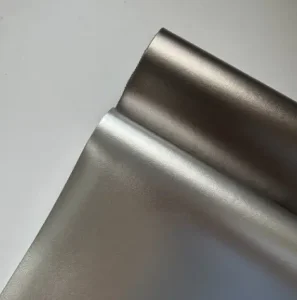 USDA BioPreferred
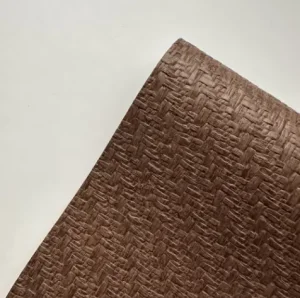 Low VOC
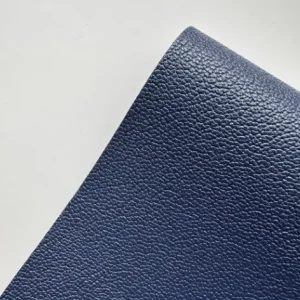 RCS GRS Substrate
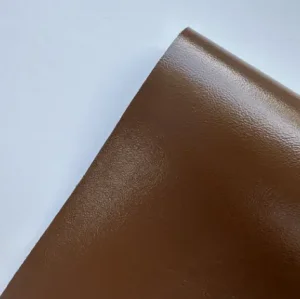 Carbon Reduced
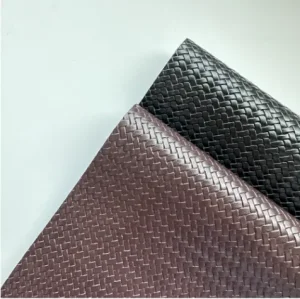 Solvent-Free
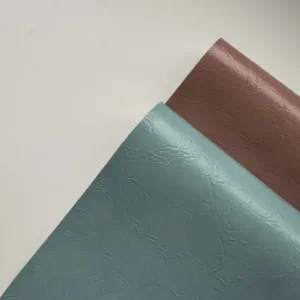 Industrial High-Tenacity
Engineering Durability: Polycarbonate, Waterborne & Bio-Based Formulations
Deconstructing the micro-structural innovations that enable modern synthetic polyurethane to outlast genuine animal hides across abrasive, hydrolytic, and ultraviolet environments.
In high-demand commercial procurement, durability is not an abstract tactile claim; it is a measurable polymer performance standard defined by hydrolysis resistance, Bally flex endurance, Taber abrasion cycles, and tensile-tear retention. Historically, standard synthetic leather fell into two compromise-laden camps: fragile PVC (polyvinyl chloride) prone to plasticizer migration and cold cracking, or conventional DMF-based (dimethylformamide) polyurethane that deteriorated under high humidity within two to three years.
Modern engineering at JiangXin New Material Co., Ltd. (JX.ECO) shifts the chemistry toward advanced multi-block aliphatic and polycarbonate polyol backbones. By utilizing high-density cross-linking agents and eliminating hydrolyzable ester linkages, our synthetic leather delivers extended resilience across extreme environments. When subjected to the industry-standard "Jungle Test" (70°C at 95% relative humidity), our polycarbonate-grade surfaces withstand up to 10–14 weeks without micro-cracking or surface peel—correlating to an actual lifespan exceeding 10 years in tropical or humid climates.
Hydrolysis & Jungle Endurance
Engineered without vulnerable ester linkages. Resists tropical humidity and sweat exposure, validated via accelerated chamber tests exceeding 10 weeks (ISO 1419 Tropical Test Grade 5).
Extreme Flex & Thermal Stability
Maintains supple elongation down to -30°C without micro-fractures. Withstands >200,000 Bally flex cycles in dry ambient conditions and >100,000 cycles in freezing conditions.
Abrasion & Scuff Resistance
Topcoat formulation infused with polyurethane-silicone hybrid networks. Easily surpasses 100,000 double rubs on the Wyzenbeek test and 50,000 cycles on the Martindale scale.
The Chinese Supply Chain Advantage: Scalability, Vertical Integration & Clean Energy
How our centralized Guangdong facility resolves the global supply crisis: vertical synthesis, raw material sovereignty, and massive capacity with minimized carbon intensity.
Sourcing directors across the EU, North America, and APAC face a dual dilemma: the necessity to decarbonize products under intensifying CSRD and SEC disclosure mandates, balanced against relentless pressure on unit economics and on-time shipment metrics. Chinese synthetic leather manufacturing—once perceived strictly through the lens of volume—has undergone a massive technological transformation. Yingde City JiangXin New Material Co., Ltd. (JX.ECO) stands at the pinnacle of this revolution.
Operating a 135,733 m² purpose-built clean-tech industrial campus in Guangdong, JX.ECO integrates the entire value chain within a single controlled perimeter. While intermediary converters rely on third-party coating mills and external substrate knitters, our campus controls the polymer synthesis, dry-process PU lines, solvent-free roll-to-roll casting, micro-fiber base production, and custom finishing laboratories under one roof. This vertical consolidation completely eliminates transit delays, cross-facility contamination, and compound supplier markups.
End-to-End Vertical Synthesis
By producing specialized polyols, formulating bio-based matrices, and knitting post-consumer recycled rPET backings in-house, we eliminate intermediate bottlenecks, ensuring seamless quality from chemical vat to export container.
4.68 MW Rooftop Solar Array
Our expansive campus harnesses 4.68 MW of rooftop photovoltaic energy. This clean energy generation significantly reduces Scope 2 carbon emissions per linear meter produced, supporting brand ESG commitments.
Closed-Loop Environmental Recovery
Equipped with an advanced internal wastewater reclamation center and multi-stage VOC condensation plants that capture >99.5% of process vapors. Industrial clean chemistry compliant with strict municipal regulations.
Enterprise Sourcing Matrix: Physical, Chemical & Environmental Thresholds
Direct comparisons illustrating how JX.ECO engineered synthetic leather outclasses legacy materials across commercial, automotive, and high-wear specifications.
| Performance Characteristic | Legacy PVC Fabric | Conventional Solvent PU | JX.ECO Waterborne / Bio-Based PU | International Standard |
|---|---|---|---|---|
| Hydrolysis Resistance (Jungle Test) | 1–2 Weeks (Becomes Brittle) | 2–4 Weeks (Coating Peels) | 8–12+ Weeks Pass | ISO 1419 Method C / Jungle Test |
| Martindale Abrasion Endurance | 20,000 Cycles | 40,000 Cycles | >100,000 Cycles Pass | ISO 12947-2 / ASTM D4966 |
| Bally Flex Cycles (Cold -20°C) | Immediate Cracking | 15,000 Cycles (Micro-cracks) | >80,000 Cycles Zero Defect | DIN EN ISO 5402-1 |
| Restricted Solvents (DMFa / DMAC) | Heavy Phthalates Used | Residual DMFa >100–500 ppm | 0 ppm (Non-Detectable) | AFIRM RSL / EU REACH SVHC |
| USDA Bio-Based Carbon Ratio | 0% (Petrochemical Derived) | 0% (Petrochemical Derived) | 30% to 75% Renewable Carbon | ASTM D6866 Radiocarbon C14 |
| Recycled Content Verification | Uncertified Fillers | Infrequent / Unverified | 100% Traceable RCS / GRS | Textile Exchange Chain of Custody |
Enterprise sourcing teams at tier-1 sportswear, luxury handbag, and commercial upholstery brands cannot risk product recalls stemming from phthalate migration, toxic solvent off-gassing, or delamination in warm distribution corridors. JX.ECO operates strict quality-control gates on every batch lot. Roll-by-roll spectrophotometer color indexing (Delta E < 0.5), automated laser surface defect scanning, tensile grab-break verification (ASTM D5034), and stitch-tear strength tests (ASTM D4704) guarantee identical mechanical specs across repeat container runs.
Global Market Entry: Total Traceability & Chemical Safety Assurance
Transparent documentation protocols safeguarding brand integrity across North American, European, and Asia-Pacific customs and retailer Restricted Substance Lists (RSL).
RCS & GRS Chain-of-Custody
Certified under the Textile Exchange standard. Every purchase order is supported with official Transaction Certificates (TC) tracking post-consumer polyester yarns from mechanical bottle flake down to final backing knit.
USDA BioPreferred Validation
Independent ASTM D6866 radiocarbon (C14) dating protocols confirm exact percentages of bio-based agricultural polyols synthesized from non-food renewable plant matter instead of fossil petrochemicals.
EU REACH, RoHS & California Prop 65
Strictly compliant with all European Chemicals Agency (ECHA) SVHC restrictions, OEKO-TEX Standard 100 Class I (safe for infant skin contact), and heavy-metal-free California Proposition 65 limits.
Macro Megatrends Reshaping the 2026–2030 Synthetic Leather Market
Critical strategic shifts driving brand transition from petrochemical plastics to circular, bio-synthesized, and carbon-monitored material platforms.
The Definite Sunset of Solvent DMFa
Tightening EU occupational thresholds and global brand RSLs are making legacy wet-spinning and DMF-reliant PU obsolete. Zero-solvent, 100% waterborne polyurethane (WBPU) has evolved into the mandatory baseline for international compliance.
Digital Product Passports (DPP) & CBAM
European Carbon Border Adjustment Mechanisms and upcoming DPP mandates demand roll-level digital tracking of carbon intensity, water usage metrics, and recycled origin down to primary petrochemical or agricultural feedstocks.
Next-Gen Agricultural Upcycling
The boundary between plant-based and high-tenacity PU is merging. Formulations now incorporate waste streams from industrial corn, apple pomace, sugarcane processing, and castor oil, targeting up to 75% renewable bio-content without physical degradation.
Specialized Formulations for Demanding Commercial Applications
How customized backings, skin layers, and surface chemistry satisfy extreme functional criteria across diverse international industries.
Automotive Interior & EV Seating
Engineered to satisfy stringent low-fogging criteria (DIN 75201 Method B) and flammability compliance (FMVSS 302). Zero volatile off-gassing under solar cabin heat, paired with exceptional UV lightfastness (Xenon arc Grade 4-5).
Marine & Outdoor Technical Upholstery
Features active anti-fungal barrier compounds (ASTM G21) and marine-grade salt spray endurance (ASTM B117). Resists pink staining, mildew, and prolonged ultraviolet yellowing on yacht seating and outdoor resort hospitality lounges.
High-Performance Athletic & Safety Footwear
High-tenacity microfiber backings mimic natural collagen dermis bundles, providing unmatched puncture resistance and stitch holding strength (ASTM D4704 >80 N). Resists repetitive ball flexes at toe crease zones in all climates.
Enterprise Q&A: Durability, Audits, Tooling & Logistics
Direct technical answers to common queries submitted by sourcing directors, materials engineers, and international product development teams.
What distinguishes your durable synthetic leather from generic commercial PU? +
How do you guarantee and verify bio-based carbon claims? +
Can our brand obtain Transaction Certificates (TC) for RCS/GRS compliance? +
What are your standard Minimum Order Quantities (MOQ) and production lead times? +
Can you formulate materials to meet strict chemical RSLs like zero-DMFa and REACH? +
Do you offer custom surface grain embossing and bespoke color matching? +
Advanced Renewable & Recycled Formulations
Complete your material matrix with specialized bio-derived composites, eco-friendly grain finishes, and official RCS certified industrial fabrics.
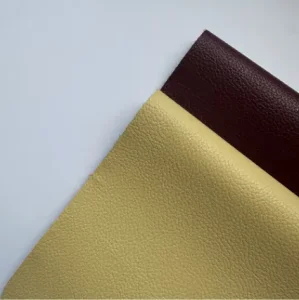 Plant Derived
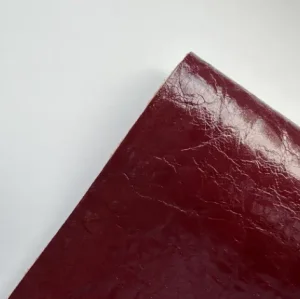 Green Vegan Grade
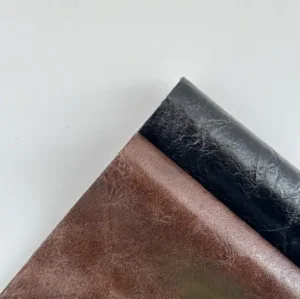 Eco PU Soft
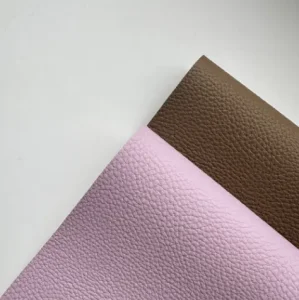 Bio Sourced
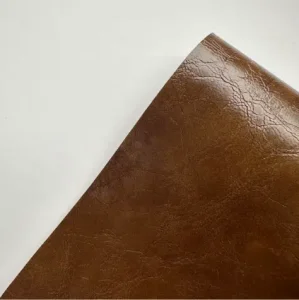 RCS Grain Recycled
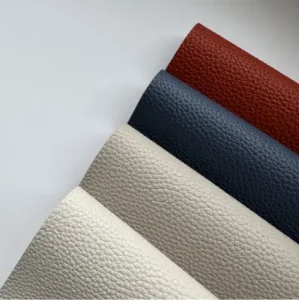 Certified Recycled
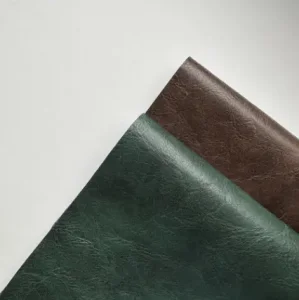 Official RCS Verification
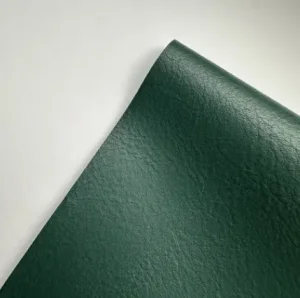 Renewable Carbon
Request Physical Swatch Books & Certified Chemical Test Packs
Accelerate your product development cycle. Connect with JX.ECO engineering managers to receive tailored technical data packs, physical master binders, and custom formulation guidance.