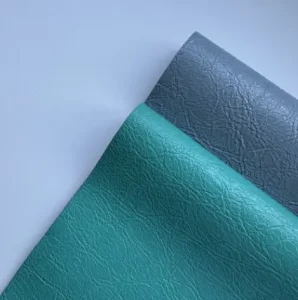
Curated Exotic Series: RCS Recycled & Sustainable PU
Direct supply from JiangXin New Material (JX.ECO) Yingde plant. Retaining precision physical properties, soft hand feel, realistic belly scale scaling, and customizable backing substrates.
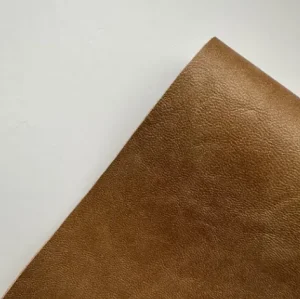
Custom Circular‑Focused RCS‑Verified Recycled Premium Synthetic Leather-0003
Source Reference 0003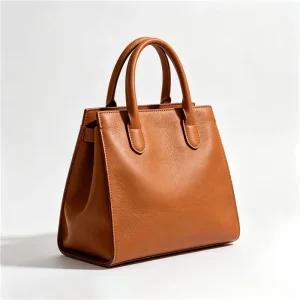
OEM Eco-Friendly Sustainable Synthetic Leather Base Article
Source OEM Base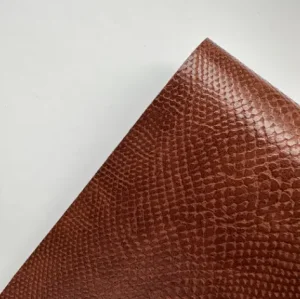
Custom RCS‑Verified Recycled Content Synthetic Leather-0041
Source Reference 0041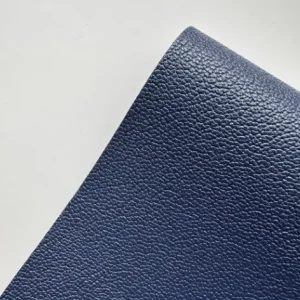
OEM RCS Certified Recycled Sustainable Synthetic Leather-9168
Source Reference 9168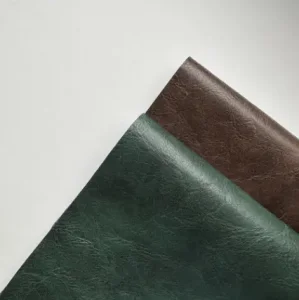
High-Quality Sustainable Recycled Synthetic Leather with Official RCS Certification-9240
Source Reference 9240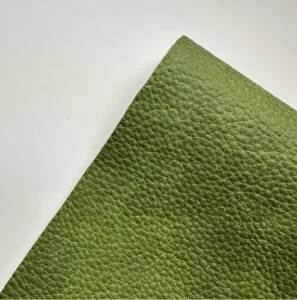
Custom Premium Sustainable Eco Synthetic Leather-9304
Source Reference 9304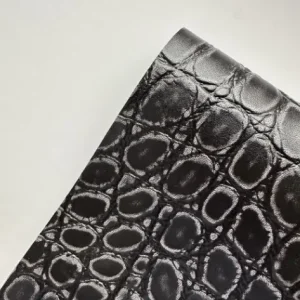
Wholesale Eco‑Friendly Sustainable Synthetic Leather-9015
Source Reference 9015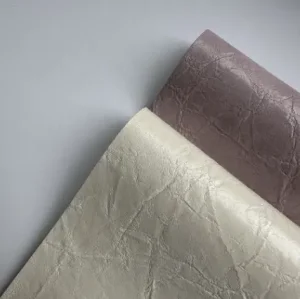
High-Quality RCS Approved Recycled‑Content Synthetic Leather-0212
Source Reference 0212The Global Shift: Decarbonization in Exotic Leather Formulations
The worldwide market for crocodile-embossed leather is undergoing an irreversible structural transition away from ecologically fraught reptilian skin farming toward ultra-engineered, cruelty-free sustainable polymers.
Supply Chain Transparency & ESG Pressure
Global luxury groups and consumer lifestyle brands are systematically phasing out exotic crocodilian skins due to intense ESG scrutiny, strict CITES certification overhead, and acute supply volatility. Synthetic crocodile leather offers unrestricted global logistics, zero ethical compliance liabilities, and completely auditable Scope 3 emissions reporting backed by third-party chain-of-custody protocols.
Elimination of Toxic Chrome Tanning
Traditional real exotic leather finishing relies on hexavalent chromium (Cr VI) and chemical salting processes with devastating effluent impacts. Next-generation crocodile faux leather manufactured using solvent-free PU, water-based polyurethane, and plant-derived polyols eliminates heavy metals entirely, preventing carcinogenic risk while safeguarding waterways.
Micro-Scale Dimensional Precision
Historical vinyl/PVC alternatives suffered from artificial plasticity, rapid cracking, and shallow textures. Modern chemical engineering enables multi-layer release paper embossing and 3D roller engraving. This captures organic pore detailing, asymmetrical belly scale transitions, and genuine tactile two-tone matte finishes that outperform genuine hides in flex cycles.
Material Transition Benchmark
According to industrial life-cycle analyses (LCA), switching from farmed exotic reptile skin to certified bio-based synthetic polyurethane cuts greenhouse gas emissions by up to 74% and reduces process water depletion by over 88% per square meter of usable cutting surface.
Guangdong Industrial Efficiency: The JX.ECO Engineering Edge
Operating from our vertically integrated, solar-powered complex in Yingde, Guangdong, JiangXin New Material delivers end-to-end chemical and mechanical advantages that redefine industrial procurement.
Integrated Base-Polymer Synthesis
Unlike secondary conversion facilities that purchase generic commercial films, JiangXin performs direct polymer synthesis in-house. We blend biobased renewable polyols from plant oils and post-consumer recycled polyesters directly into high-solid PU systems, guaranteeing strict batch-to-batch chemical homogeneity and predictable elasticity.
Closed-Loop Environmental Engineering
Our 135,733 m² campus integrates closed-loop DMF/solvent recovery stations, continuous heat exchange recycling loops, and an on-site biochemical industrial wastewater plant. Powered by a 4.68 MW rooftop photovoltaic array, our energy self-generation drastically offsets grid carbon intensity for green tier brands.
Rapid Prototype-to-Bulk Cycles
Leveraging the complete Pearl River Delta chemical and textile ecosystem, our bespoke R&D lab delivers customized lab-dip color matches, gloss calibrations (from ultra-matte 5° to mirror lacquer 95°), and custom belly-scale emboss depth modifications in as fast as 48 to 72 hours, cutting product development timelines by weeks.
100% Cutting Yield Consistency
Genuine crocodile hides present massive cutting loss (often exceeding 45% due to bite marks, bullet scars, and natural asymmetry). JiangXin precision crocodile faux leather is manufactured in standard 54-inch (137-140 cm) rolls with uniform edge-to-edge thickness, enabling high-speed computerized CNC laser cutting with zero defect scrap.
Localized Engineering: Cross-Industry Application Scenarios
Each sector demands specific mechanical characteristics. We adapt chemical topcoats, interlayer foam densities, and backing cloth weaves to solve distinct physical failure modes.
Luxury Handbags & Small Leather Goods (SLG)
Requires refined crease recovery, edge-paint adhesion, and authentic hand feel without cardboard stiffness. Formulated with ultra-fine microfiber suede or woven twill backing, our croc leather provides pristine bevel edge skiving and crisp box pleating across structured totes, clutches, and luxury wallets.
Performance Footwear & High-Stress Uppers
Engineered for high Bally flex resistance (exceeding 100,000 cycles at room temperature and 30,000 cycles at -10°C). Resists tongue stitch pull-out, vamp fatigue, and sole adhesive debonding, making it ideal for directional sneakers, boots, and bespoke dress loafers.
Automotive Cockpits & Executive Interiors
Demands strict photostability and zero interior fogging. Our specialized automotive-spec croc leather passes Xenon arc aging (SAE J2412), flame retardancy (FMVSS 302), and anti-fouling coatings that resist denim dye transfer, sunscreen oils, and volatile organic compound (VOC) outgassing.
Hospitality & Architectural Wall Paneling
Meets commercial contract durability requirements including BS 5852 Crib 5 and CAL 133 fire safety standards. Highly resistant to hospital-grade chlorine sanitizers and alcohol rubs, it offers tactile three-dimensional texture for luxury hotel headboards, bar counter facades, and club seating.
Emerging Industry Trends: The Next 5 Years in Exotic Faux Leather
Anticipating regulatory developments and material science breakthroughs shaping the synthetic leather landscape through 2030.
High Bio-Based Carbon Ratios
The industry is rapidly transitioning from first-generation 10-20% bio-content to advanced formulations featuring 40% to 65% biobased carbon content verified by ASTM D6866 radiocarbon testing. Agricultural wastes (such as industrial corn non-food starch and seed oil derivatives) are replacing petrochemically synthesized glycols without loss of tensile strength.
True Monomaterial Circularity
Recycling composite materials has historically posed engineering challenges due to mixed polyurethane surfaces and polyester backings. The industry frontier focuses on 100% circular, single-family polymers—where both coating resin and knitted backing share an identical polyester or TPU chemical structure, allowing complete end-of-life thermal depolymerization.
Total Solvent-Free (Zero-VOC) Evolving
Tightening environmental mandates in the European Union and North America are making waterborne and 100% solid solvent-free extrusion coating systems the mandatory standard. By avoiding DMFa (dimethylformamide), toluene, and methyl ethyl ketone during polymer coagulation, modern production lines achieve zero odor and zero occupational toxicity.
Global Enterprise Sourcing: Technical Procurement Matrix
Sourcing directors, materials engineers, and QA leads can reference this performance baseline to specify crocodile faux leather across global programs.
| Evaluation Parameter | Industry Standard Method | JiangXin (JX.ECO) Performance Benchmark | Buyer Risk Mitigation Factor |
|---|---|---|---|
| Hydrolysis Resistance | Jungle Test (70°C, 95% RH) | Grade 4-5 after 5 to 10 Weeks (10-year simulation) | Prevents peeling and sticky breakdown in humid storage |
| Bally Flexural Endurance | ISO 5402 / ASTM D6182 | > 100,000 Cycles (Room Temp) / > 30,000 (-10°C) | Eliminates valley cracking along embossed croc ridges |
| Tear & Tensile Strength | ISO 13937-2 / ISO 13934-1 | Tensile > 350 N/3cm | Tongue Tear > 35 N | Prevents seam rupture during automated factory stitching |
| Abrasion Durability | Martindale (ISO 12947-2) | > 50,000 Rubs (with 12 kPa load, zero surface loss) | Maintains optical depth and two-tone tip print appearance |
| Chemical Compliance | GC-MS Screening / Radiocarbon | Zero DMFa (<5 ppm), REACH SVHC 235+, RoHS, 6P Free | Ensures frictionless customs clearance at EU & US borders |
| Color Fastness to Rubbing | ISO 105-X12 (Crockmeter) | Dry Rub: Grade 4-5 | Wet Rub: Grade 4.0 | Prevents color transfer to white garments and leather goods |
Technical & Sourcing FAQ: Critical Buyer Inquiries
Direct answers from our senior materials engineers regarding chemical composition, production minimums, customization limits, and compliance testing.
Q: What differentiates high-end croc faux leather from generic PVC vinyl?
A: Conventional PVC faux leather uses petrochemically derived plasticizers (phthalates) that migrate over time, resulting in embrittlement, chemical odor, cold cracking, and flammability. In contrast, JiangXin croc faux leather employs high-performance polyurethanes (PU), waterborne PU, or biobased polymers laminated onto high-density microfibers or recycled knitted backings. The result is molecular breathe-ability, natural drape, high flex life without plasticizer loss, and zero banned phthalates.
Q: How is biobased content scientifically verified for brand hangtag claims?
A: Biobased carbon percentage is quantified through isotope analysis in compliance with ASTM D6866 (Standard Test Methods for Determining the Biobased Content of Solid, Liquid, and Gas Samples Using Radiocarbon Analysis). This measures modern carbon-14 originating from botanical inputs versus fossil carbon. JiangXin delivers verified laboratory reports qualifying brand programs for the official USDA Certified Biobased Product designation.
Q: Can our team obtain official RCS Transaction Certificates (TCs) for orders?
A: Yes. Because JiangXin New Material operates under a verified Recycled Claim Standard (RCS) and Global Recycled Standard (GRS) chain-of-custody, every order utilizing recycled post-consumer polyester (rPET) or reclaimed fiber bases is accompanied by valid transaction certificates issued by accredited certification bodies to support brand ESG disclosures.
Q: What is the factory minimum order quantity (MOQ) and production lead time?
A: For standard catalogue references and running grains, our typical bulk minimum is 300 to 500 meters per color. Bespoke emboss roller engraving or customized chemical functionalizations (e.g., customized flame retardancy or cold-crack ratings down to -25°C) require an MOQ of 1,000 meters. Lab swatches take 3-5 working days; bulk roll orders are completed in 10-15 business days.
Q: How do you prevent edge peeling and cracking along deep croc embossing ridges?
A: Deep relief crocodile embossing introduces localized mechanical strain in the valley lines. We counteract this through an optimized dual-stage foaming layer and a high-elastic cross-linking agent within the top polyurethane skin. This ensures the structural skin stretches symmetrically during high-pressure thermal embossing without microscopic fracturing, retaining peel strength above 2.5 kg/3cm.
Q: Does your material clear brand-specific Restricted Substance Lists (RSL)?
A: Every production roll is strictly monitored against EU REACH (containing zero SVHC above 0.1%), RoHS, OEKO-TEX Standard 100 Class I/II, and international 6P/8P phthalate limits. We invite procurement teams to supply their corporate RSL prior to sample strike-off for precision formulation tuning.
Bio-Based Renewable, Plant-Derived & Eco-Conscious Collections
Explore our second selection of sustainable crocodile-ready bases and vegan leather rolls engineered for immediate global distribution and luxury transformation.
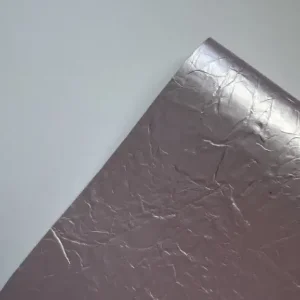
High-Quality Sustainable Eco-Conscious Synthetic Leather-0039
Source Reference 0039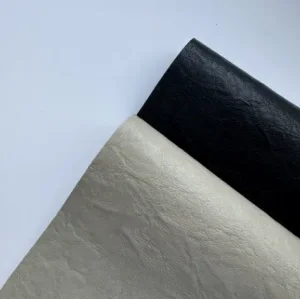
Custom RCS Recycled Substrate Synthetic Leather-9193
Source Reference 9193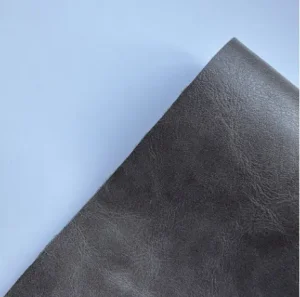
OEM RCS Verified Recycled Content Synthetic Leather-0084
Source Reference 0084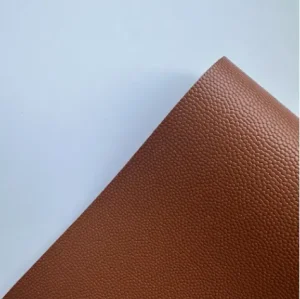
Wholesale Sustainable Eco-Conscious Synthetic Leather-9142
Source Reference 9142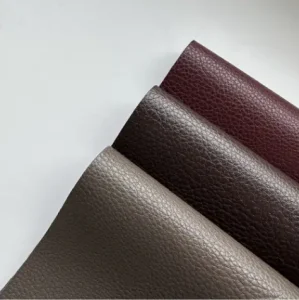
High-Quality Bio-Based Renewable Synthetic Leather -9078
Source Reference 9078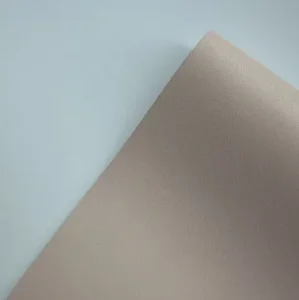
OEM Plant-Derived Renewable Bio-Based Synthetic Leather-2071
Source Reference 2071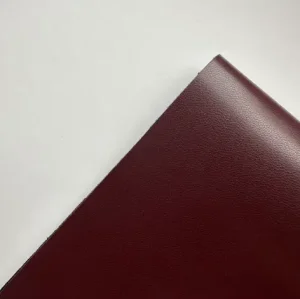
Custom Sustainable Bio-Based Vegan Leather-2002
Source Reference 2002