
High-Performance Vegan & Biobased Material Catalog
Engineered to replace petrochemically intensive skins, our standard range delivers tested tensile strength, haptic elegance, and verifiable audit chains for modern procurement.


Navigating the Global Procurement Transition to Vegan Leather
Enterprise procurement divisions are shifting away from traditional animal leather and legacy PVC fabrics. Tightening ESG benchmarks, supply chain Scope 3 disclosures, and conscious consumer behavior dictate the rise of audited non-animal substrates.
Decarbonization of Tier-1 Materials
Global apparel and luxury conglomerates are standardizing on Life Cycle Assessment (LCA) requirements. Animal husbandry carries significant water footprints, land degradation, and methane emissions. Plant-derived and recycled synthetic leathers reduce upstream cradle-to-gate carbon intensity by up to 68% compared to traditional chrome-tanned cattle hide.
Banning Hazardous Petrochemicals
The legacy faux-leather era relied heavily on polyvinyl chloride (PVC) heavily loaded with orthophthalate plasticizers and organic solvents like dimethylformamide (DMFa). Modern commercial procurement strictly mandates waterborne polyurethane dispersions (PUD) and 100% solvent-free coating technologies to comply with global toxicological standards.
Supply Chain Scalability & Yield
Unlike raw hides that suffer from structural irregularities, growth scars, insect bites, and neck wrinkles—resulting in 25-40% cutting room scrap—precision-calendered synthetic vegan leather rolls achieve over 95% automated pattern cutting yield with zero biological variability across thousands of linear meters.
End-to-End Enterprise Material Solutions
We solve the trilemma of sustainability, mechanical performance, and regulatory assurance through proprietary synthesis processes developed at our Yingde campus.
Bio-Polymer Synthesis (USDA BioPreferred)
By replacing petroleum-based polyols with bio-succinic acid and renewable polyols derived from agricultural industrial starches and non-edible plant residues, we produce synthetics containing certified 20% to 75% renewable biobased carbon verified by radiocarbon analysis (ASTM D6866).
Circular Economy & RCS Traceability
Our circular program integrates post-consumer recycled (PCR) polyethylene terephthalate (rPET) derived from ocean-bound and consumer plastics directly into woven, non-woven, and ultra-microfiber substrates. Certified by Textile Exchange Recycled Claim Standard (RCS) with unbroken custody chain documentation.
Functional Surface Architecture
From sneaker toe-caps enduring 100,000 Bally flex cycles in sub-zero climates (-20°C) to luxury marine-grade seating requiring resistance against salt spray, UV discoloration, and microbial colonization, we formulate cross-linked surface coats fine-tuned for specialized mechanical duty.
R&D Technology Roadmap: Towards Absolute Circularity
Our research and engineering divisions in Guangdong maintain an aggressive innovation trajectory focused on eliminating petrochemical dependency and advancing true end-of-life biodegradability.
Waterborne & Solvent-Free PU
Total elimination of DMFa, MEK, and toluene. Operational deployment of high-solid solvent-free polyurethane processing lines and waterborne dispersals across 100% of standard production capacity.
Second-Gen Biobased Upgrades
Scaling non-food biomass integration. Transitioning from primary agricultural polyols to lignocellulosic waste streams, apple pomace, and mycelium cross-matrix hybrids achieving >65% ASTM D6866 bio-carbon.
Bio-Recyclable Thermoplastics
Developing monomaterial thermoplastic polyurethanes (TPU) where surface skin, interlayer foam, and textile backing share identical polymer chemistry, facilitating unblended mechanical re-granulation at end of life.
Enzymatic Biodegradability
Engineering molecular cleavage points within synthetic polyurethane chains triggered solely under industrial compost and anaerobic landfill environments, preventing long-term microplastic dispersion.
Global Market Compliance & Tier-1 Assurance Protocols
Exporting to more than 50 jurisdictions demands rigid alignment with restricted substance lists (RSL), international social responsibility frameworks, and verifiable certification standards.
European REACH & RoHS Mandates
Full conformance with EU Regulation (EC) No 1907/2006 concerning the Registration, Evaluation, Authorisation and Restriction of Chemicals. Every production run undergoes analytical screening for Substances of Very High Concern (SVHC) exceeding 0.1% w/w thresholds.
Consumer Safety: 6P & OEKO-TEX
Strict non-detection protocols for the six major banned phthalates (DEHP, DBP, BBP, DINP, DIDP, DnOP) per CPSIA standards. Formulated to clear OEKO-TEX Standard 100 Class I specifications for direct, prolonged skin contact in footwear and infant goods.
Higg FEM & amfori BSCI Social Audits
Our Yingde site operates under the Higg Facility Environmental Module (FEM), verifying energy optimization, wastewater purification, and air quality controls. Socially verified under amfori BSCI standards to assure fair ethical labor practices across all lines.
Frequently Answered Procurement Inquiries
Direct technical answers addressing physical criteria, minimum order quantities, certification validations, and custom development schedules.
What fundamental material categories are engineered at JiangXin New Material? +
How is biobased renewable content verified for third-party brand sustainability claims? +
What specific chain-of-custody documentation accompanies RCS-certified orders? +
What are the standard sampling lead times and custom developmental minimums (MOQ)? +
Which physical endurance tests can be customized per brand tech packs? +
What total industrial capacity supports enterprise-scale bulk procurement? +
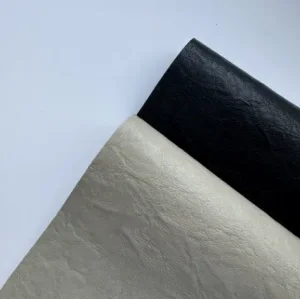
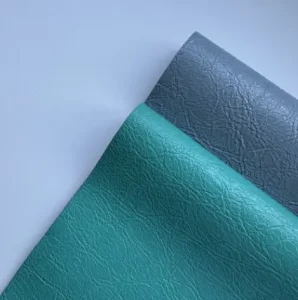
Advanced Recycled & Renewable Material References
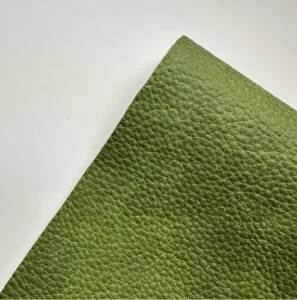
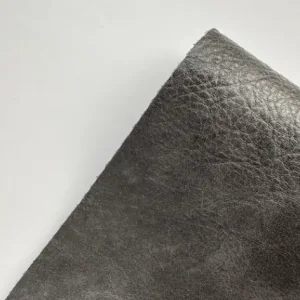
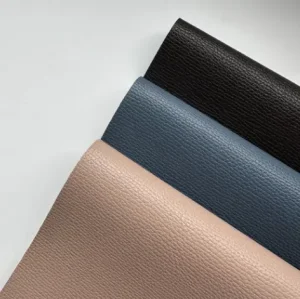
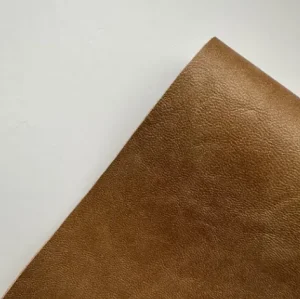
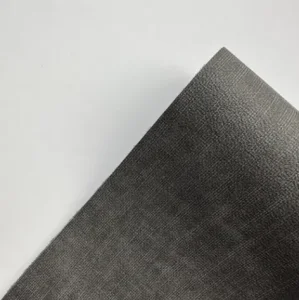
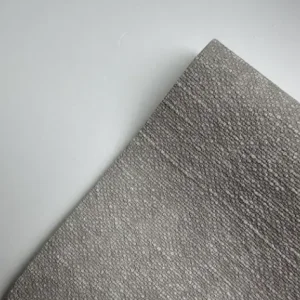
Discover our specialized commercial series engineered for circular fashion lines, high-frequency embossing, and demanding consumer accessories.
Initiate Your Sustainable Material Development Program
Request comprehensive swatches, full technical data sheets, and verified LCA environmental footprints. Our senior chemical engineers will assist your tech pack formulation.