
High-Performance Vegan & Biodegradable Articles
Engineered for global luxury brands, high-wear automotive seating, and carbon-negative footwear. Full compliance documentation and certified chain-of-custody guaranteed per production lot.
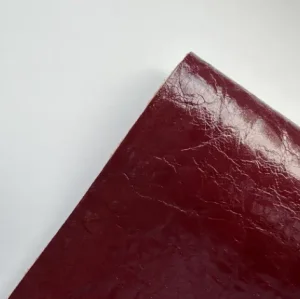
High-Quality Green Grade Sustainable Vegan Synthetic Leather-9261
Explore Reference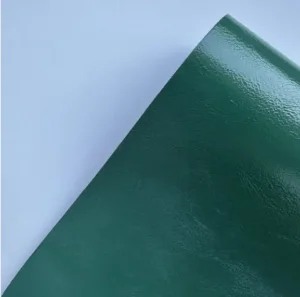
High-Quality Low‑Impact Green Sustainable Synthetic Leather-9333
Explore Reference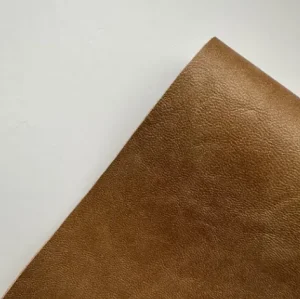
Custom Circular‑Focused RCS‑Verified Recycled Premium Synthetic Leather-0003
Explore Reference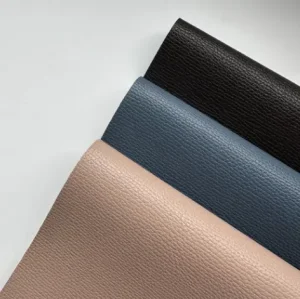
Wholesale Green Sustainable High-End Synthetic Leather-9264
Explore Reference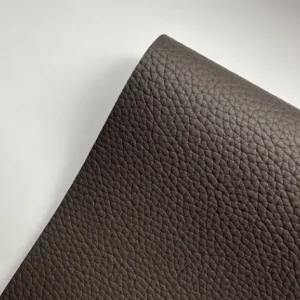
OEM Low-Impact Sustainable Synthetic Leather-9299
Explore Reference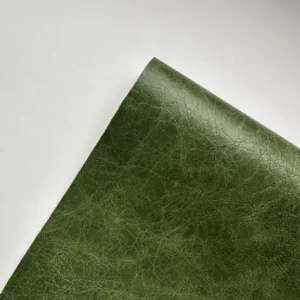
OEM Plant-Based Renewable Bio Synthetic Leather-9023
Explore Reference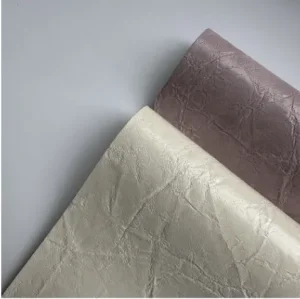
High-Quality RCS Recycled Synthetic Leather-0212
Explore Reference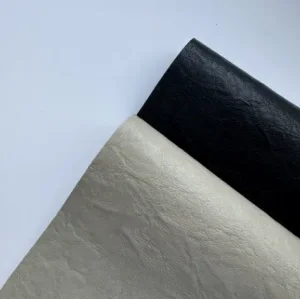
Custom RCS Recycled Substrate Synthetic Leather-9193
Explore ReferenceGlobal Enterprise Procurement Dynamics for Biodegradable Synthetics
How stringent ESG regulatory frameworks (EU CSDDD, CSRD, ESPR) and tier-1 brand climate pledges are reshaping raw material qualifications across international supply chains.
Scope 3 Upstream Decarbonization
Global apparel, luxury leather goods, and tier-1 automotive interiors confront acute pressure to purge Scope 3 embedded carbon. Petrochemical virgin PU and PVC leathers generate severe cradle-to-gate emissions (~7.5 to 11.2 kg CO₂e per meter). In contrast, plant-derived and bio-polyol matrices slash upstream raw-material carbon footprints by 38% to 64%.
Anti-Greenwashing & Empirical Claims
The enforcement of the EU Green Claims Directive penalizes generic eco-labels without certified chain-of-custody data. Sourcing authorities require standardized testing verification: ASTM D6866 Radiocarbon AMS dating to substantiate bio-based carbon isotopes, combined with full GRS/RCS (Recycled Claim Standard) transaction certificates.
End-of-Life Circularity Mandates
Extended Producer Responsibility (EPR) regulations demand tangible post-consumer circular pathways. Sourcing directors require synthetic leather architectures that eliminate halogenated flame retardants and heavy metals, migrating towards controlled biodegradation or industrial micro-composting without releasing toxic microplastics.
Macro Industry Solutions: Beyond Conventional PU & Toxic Solvents
Pioneering clean macromolecular chemistry. JiangXin New Material systematically removes Dimethylformamide (DMFa), Dimethylacetamide (DMAc), and petrochemical phthalates from the industrial coating line.
100% Waterborne Polyurethane (WPU) Systems
Traditional synthetic leather relies heavily on organic solvent coagulation baths releasing volatile organic compounds (VOCs). JiangXin’s proprietary Waterborne PU dispersion utilizes purified water as the dispersal medium, eliminating organic solvent emissions while maintaining micro-porous breathe-ability and supple drape across flexible skins.
Solvent-Free Reactive Hot-Melt Extrusion
Our solvent-free manufacturing lines utilize 100% active prepolymers cross-linked directly onto biodegradable carrier substrates through thermal reactive extrusion. This completely eliminates solvent evaporation towers, curing ovens energy consumption, and pinhole structural vulnerabilities, yielding 2.5x superior tensile and tear resistance.
Plant-Derived Renewable Polyol Synthesis
Synthesized utilizing industrial non-food castor seed oil, agricultural starch by-products, and refined corn derivatives. Bio-polyols replace 30% to 75% of fossil-based polyether/polyester polyols in the polyurethane backbone, preserving elastomer elasticity while reducing dependency on petroleum extraction.
Technical Roadmap & Biodegradation Dynamics
A rigorous engineering view into degradation mechanisms, substrate circularity, and enzymatic breakdown kinetics formulated within our specialized industrial laboratory.
Phase 1: Bio-Assimilable Substrate Integration
Full replacement of virgin polyester backings with circular regenerative fibers: GOTS-certified organic cotton, FSC-certified viscose, bamboo fiber fleece, and post-consumer recycled rPET knitwear. Substrates undergo enzymatic finishing to ensure rapid biodegradation affinity upon landfill or composting entry.
Phase 2: Hydrolytic & Microbial Cleavage Sites
Engineered ester bonds integrated into the polyurethane molecular backbone serve as deliberate cleavage trigger points. In active microbial composting conditions (58°C, 60% humidity, active aerobic bacteria), microbial extracellular enzymes cleave long-chain polymer structures into water, bio-mass, and CO₂ within 180 days per ISO 14855 standards.
Phase 3: 100% Circular Non-Toxic Disintegration
Eliminating halogenated additives, antimony catalysts, and heavy metal cross-linkers guarantees that post-degradation soil residual exhibits zero ecotoxicity (OECD 208 Terrestrial Plant Test passing rate: 100%). Runoff water from compost displays no phytotoxic impact on seed germination or soil microbiological biodiversity.
Empirical Performance Benchmarking Matrix
| Physical & Ecological Metric | Traditional PVC Faux Leather | Standard DMF Solvent PU | JiangXin Eco Waterborne Bio-PU | JiangXin 100% Biodegradable Series |
|---|---|---|---|---|
| Bio-Carbon Content (ASTM D6866) | 0% (Petroleum virgin) | 0% - 5% (Fossil derived) | 30% - 65% Plant Carbon | 70% - 92% Bio Organic Carbon |
| Volatile Organic Content (VOC) | > 350 mg/kg (Phthalates/Plasticizers) | 80 - 180 mg/kg (DMFa residual) | < 10 mg/kg (Undetectable) | 0 mg/kg (Zero Organic Solvents) |
| Martindale Abrasion (ISO 12947-2) | 25,000 Cycles (Surface rupture) | 50,000 Cycles | > 100,000 Cycles (No peel) | > 60,000 Cycles (High durability) |
| Bally Flex Endurance (-10°C) | < 15,000 Cycles (Brittle cracks) | 30,000 Cycles | > 80,000 Cycles (Zero microcracks) | > 50,000 Cycles (Sub-zero elastic) |
| Hydrolysis Resistance (Jungle Test) | 3 - 4 Years equivalent | 5 Years (Hydrolytic peel) | 8 - 10 Years (Polycarbonate grade) | 5 Years (Controlled shelf stability) |
| Compost / End-of-Life Profile | Non-degradable (500+ yrs landfill) | Non-degradable (Hazardous ash) | Recyclable mechanical / chemical | ISO 14855 Industrial Compostable |
JiangXin Industrial Campus: Clean-Tech Infrastructure
Headquartered in Yingde Industrial Park, Guangdong, our 135,733 m² smart manufacturing plant integrates precision chemical engineering, solar photovoltaics, and circular wastewater processing.
Solar Powered Clean Energy Integration
Equipped with a 4.68 MW rooftop photovoltaic solar grid, generating over 5.2 million kWh of clean electricity annually. More than 45% of campus operational energy requirements are powered directly by renewable solar generation, directly abating product embodied carbon.
Zero-Discharge Wastewater Regeneration
On-site advanced biological wastewater treatment plant processing 1,500 m³ of processing water daily with high-efficiency MBR membrane filtration and reverse osmosis. 85% of industrial water is closed-loop recycled back into cooling and scrubbing circuits, exceeding municipal standards.
Full-Chain Precision Quality Assurance
From proprietary polyol blending reactors to wet coagulation, dry solvent-free transfer coating, surface grain micro-embossing, and automated infrared vision roll inspection. Every linear meter is inspected for thickness deviation (±0.03mm) and color delta (ΔE < 0.5).
Global Compliance Assurance & Regional Localization
Ensuring zero border delays, seamless customs entry, and bulletproof audit pass rates for tier-1 international brands operating across Europe, North America, and Asia-Pacific.
EU REACH SVHC & RoHS Clearance
All formulas tested and certified by third-party laboratories (SGS, TÜV Rheinland, Intertek) to comply fully with EU Regulation (EC) No 1907/2006 for Substances of Very High Concern (SVHC > 235 substances absent), RoHS, and California Proposition 65 total lead/cadmium limits.
Audited Social & Environmental Governance
Audited annually under amfori BSCI for equitable social practices, safe working conditions, fair remuneration, and non-discrimination. Verified within the Sustainable Apparel Coalition Higg Index Facility Environmental Module (Higg FEM) and Facility Social & Labor Module (FSLM).
Chain-of-Custody Transaction Certificates
Certified under Textile Exchange Recycled Claim Standard (RCS). Every delivery of recycled-content synthetic leather is issued an official Transaction Certificate (TC) directly verifiable in the certification body registry, enabling brands to substantiate Hangtag claims without risk.
Eco-Conscious Bio-Based & Recycled Materials
Custom tailored grain textures, tactile drape, and specific tensile performance. Direct mill pricing with rapid physical sample swatch delivery within 48 to 72 hours.
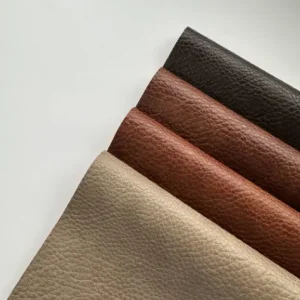
Custom RCS Recycled Synthetic Leather -9088
Explore Reference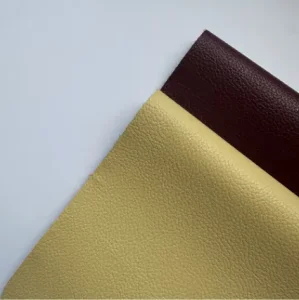
Wholesale Plant-Derived Renewable Bio-Based Synthetic Leather-9350
Explore Reference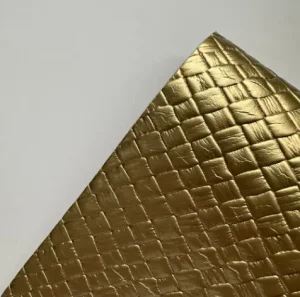
Custom RCS‑Verified Recycled‑Content Sustainable Synthetic Leather-9317
Explore Reference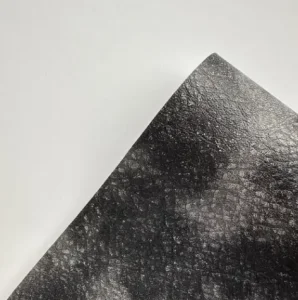
Wholesale Low-Carbon Eco Sustainable Synthetic Leather-0045
Explore Reference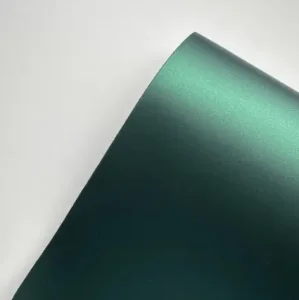
OEM High Bio-Content Plant-Based Synthetic Leather-1001
Explore Reference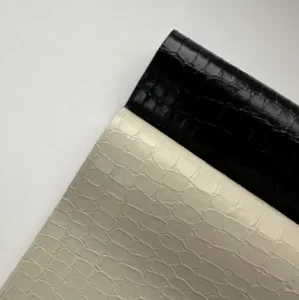
High-Quality Eco-Conscious High-Performance Synthetic Leather-9255
Explore Reference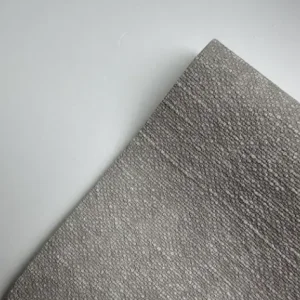
High-Quality Plant‑Derived Bio‑Based Synthetic Leather-9020
Explore Reference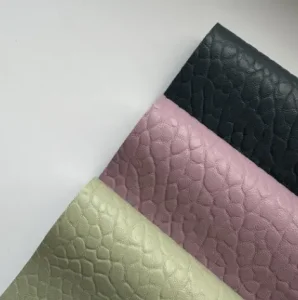
OEM RCS Certified Recycled Eco Synthetic Leather-9377
Explore ReferenceFrequently Answered Engineering & Sourcing Inquiries
Direct answers from JiangXin materials science division concerning biobased verification, processing compatibility, degradation dynamics, and custom sample lead times.
What is the scientific distinction between "Bio-Based" and "Biodegradable" vegan leather?
Bio-based refers strictly to the origin of the carbon feedstock, indicating that polyols are synthesized from renewable plant biomass (measured via ASTM D6866 carbon-14 dating) rather than fossil crude oil. Biodegradable refers exclusively to the polymer's end-of-life mechanism—the ability of microbial enzymes to break down the macromolecular structure into natural elements under specified composting conditions (ISO 14855 / ASTM D5338). A material can be bio-based without being biodegradable, or biodegradable while retaining synthetic origins. JiangXin engineers dual-aligned materials combining renewable plant origins with controlled industrial biodegradability.
How does JiangXin substantiate USDA BioPreferred claims during tier-1 brand audits?
Every proprietary biobased article produced at our Yingde campus undergoes accelerator mass spectrometry (AMS) radiocarbon testing pursuant to ASTM D6866 (Method B). We provide formal third-party test certificates from ISO 17025 accredited laboratories documenting the exact percentage of modern biological carbon (typically ranging from 30% to over 75% depending on tech pack requirements), enabling your brand legal department to substantiate product claims under the USDA BioPreferred Program without regulatory exposure.
Does biodegradable vegan leather prematurely degrade during consumer wear or warehouse storage?
No. Biodegradation is triggered only by specific active environmental conditions: high enzymatic bacterial concentration, sustained elevated temperatures (>50°C), and relative moisture levels (>60% RH) characteristic of industrial composting environments or active anaerobic landfills. Under normal warehouse storage and consumer lifestyle conditions, our bio-polyurethane skin retains robust hydrolysis stability (passing 5 to 10-year Jungle Test simulations at 70°C and 95% RH) without spontaneous degradation.
Can your factory support custom embossing textures, Pantone color-matching, and backing substrates?
Yes. Our in-house research and development center operates extensive roller and release paper grain libraries, offering over 1,000 textures spanning toothpick patterns, nappa micro-grains, pebble leathers, and deep geometrical stitch embosses. We match Pantone references within ΔE < 0.5 under D65 illuminants. Backing substrates can be custom tailored from recycled PET knit, GOTS organic cotton canvas, bio-viscose fleece, or microfiber suede ranging from 0.50 mm to 2.20 mm in thickness.
What are JiangXin’s minimum order quantities (MOQ) and production sample lead times?
For standard catalog articles with active stock, sample yardage can be dispatched within 48 to 72 hours. For custom color-matched and tailor-engineered formulations, hand-strike swatches (A4 / 1 meter) are produced in 5 to 7 business days. Bulk pilot trial orders start at an industry-agile 500 meters per color/grain combination, supported by our full-capacity continuous coating lines running 16 million meters annually.
How does JiangXin manage chemical safety regarding restricted substance lists (RSL)?
Our raw material chemistry adheres to ZDHC MRSL (Zero Discharge of Hazardous Chemicals) Level 3 parameters. We proactively exclude organotin compounds, Dimethylformamide (DMFa), Dimethylacetamide (DMAc), short-chain chlorinated paraffins (SCCP), ortho-phthalates, and fluorinated water-repellent coatings (PFAS/PFC-free). Standard production lots pass both OEKO-TEX Standard 100 Class I (infant skin-contact criteria) and EU REACH Annex XVII test protocols.