Certified Recycled & Renewable Leather Catalog
Explore our core certified references engineered with verified post-industrial and post-consumer chain of custody, solvent-free dispersion, and high-performance polyolefin coatings.
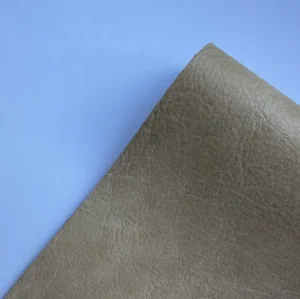
Wholesale Plant‑Origin Renewable Bio‑Based Synthetic Leather-9271
Explore Specification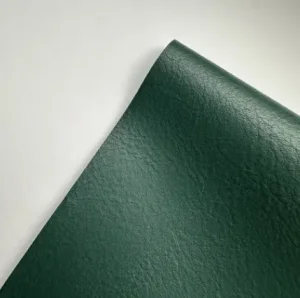
OEM Plant-Derived Bio-Based Synthetic Leather-9106 Manufacturer
Explore Specification
Wholesale RCS Verified Recycled Sustainable Synthetic Leather-2058
Explore Specification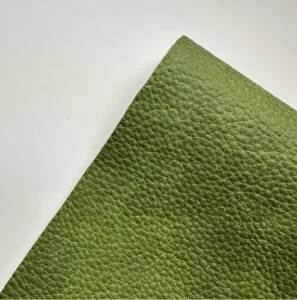
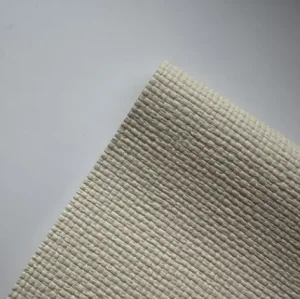
High-Quality Bio-Sourced Renewable Plant-Based Synthetic Leather-9116
Explore Specification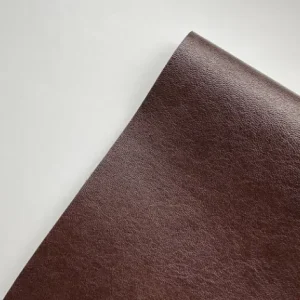
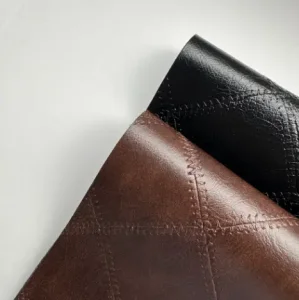
Wholesale Industrial‑Grade Bio‑Derived Renewable Synthetic Leather-9279
Explore Specification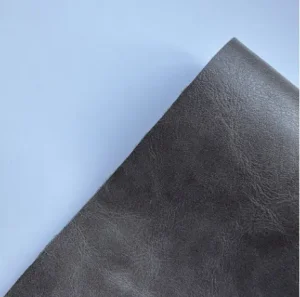
OEM RCS Verified Recycled Content Synthetic Leather-0084 Factory
Explore SpecificationTransforming Circular Feedstocks into High-Performance Synthetic Leather
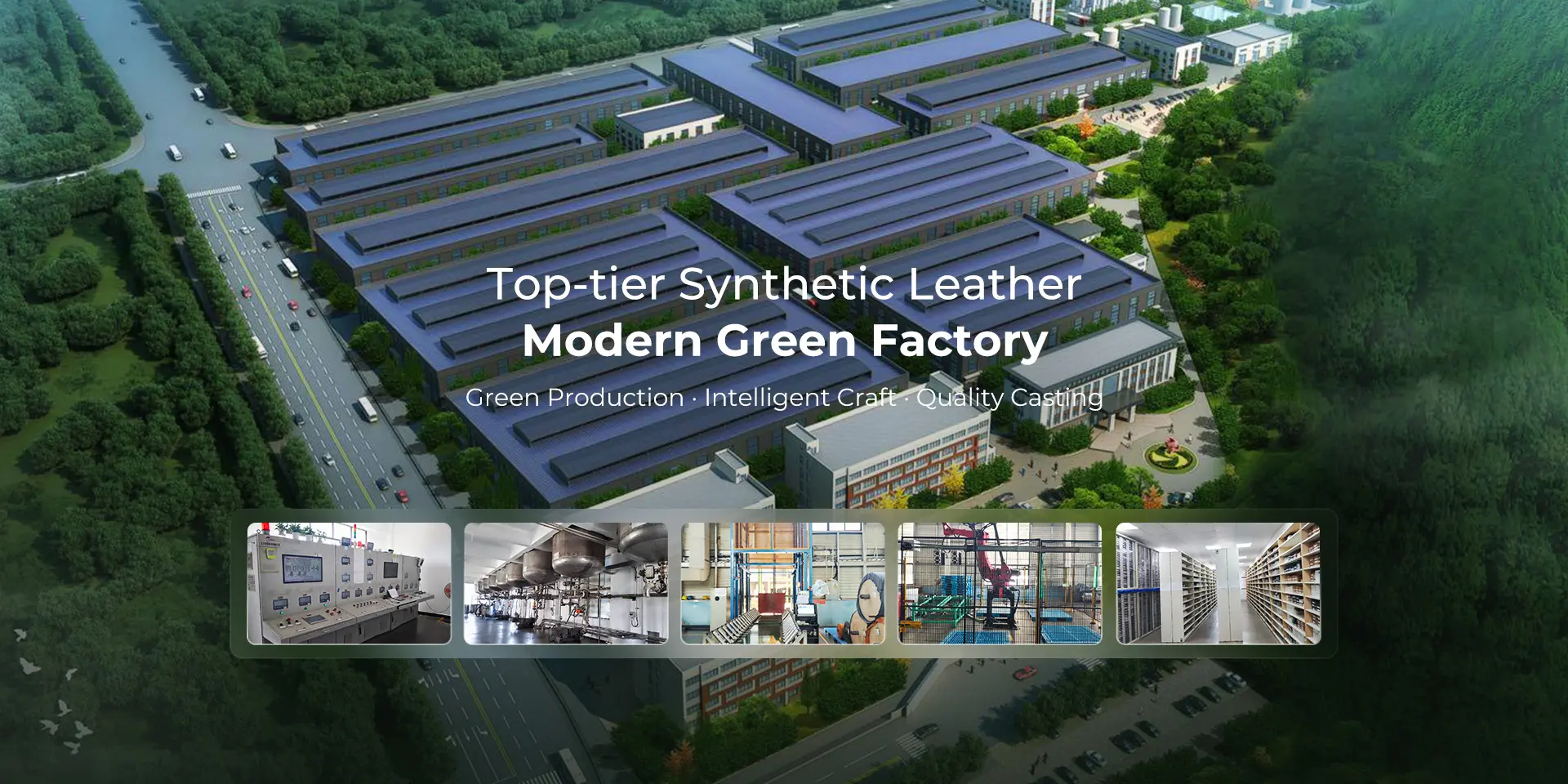
The global materials transition demands more than symbolic eco-labels; enterprise brand owners require quantifiable carbon accounting, uncompromised tear-and-tensile durability, and bulletproof chain-of-custody documentation. As an authoritative custom recycled leather manufacturer, Yingde City JiangXin New Material Co., Ltd. (JX.ECO) integrates industrial circularity directly into high-throughput chemical engineering.
Founded on June 2, 2017, our custom manufacturing campus spans 135,733 m² in Yingde, Guangdong, delivering over 16 million linear meters of engineered synthetic leather annually. Operating our own on-site industrial wastewater treatment facility and powered by an advanced 4.68 MW rooftop photovoltaic solar grid, JX.ECO slashes Scope 1 and Scope 2 emissions at the foundational manufacturing stage.
Whether formulating recycled matrix PU derived from post-consumer rPET bottles, upcycling post-industrial leather shreddings into reinforced bonded substrates, or synthesizing renewable biobased carbon polyols verified via ASTM D6866 radiocarbon metrics, we give global sourcing directors and chemical compliance engineers the verifiable evidence required under modern ESG scrutiny.
Global Commercial Landscape & Regulatory Drivers
Why multinational procurement programs are aggressively replacing conventional virgin solvent-borne PU with certified circular and biobased synthetic leather substrates.
Stringent Regulatory Mandates (EU CSDD, ESPR & RSL)
Global regulatory enforcement is transitioning from voluntary corporate social responsibility to legally binding supply chain accountability. The European Union’s Ecodesign for Sustainable Products Regulation (ESPR) and Corporate Sustainability Due Diligence Directive (CSDDD) mandate empirical substantiation of circular content.
- Elimination of greenwashing via strict Digital Product Passport (DPP) readiness.
- Mandatory compliance with SVHC limits under EU REACH regulation annex XVII.
- Zero tolerance for hazardous DMFa, toluene, phthalates, and persistent fluorinated alkyl substances (PFAS).
Corporate Scope 3 Decarbonization Targets
Raw material extraction and conversion generate upwards of 70% of total lifecycle greenhouse gas emissions for footwear, luggage, and seating brands. Switching from virgin fossil-derived polyols to recycled polyester scrims and recycled polymer resin delivers immediate, mathematically verified carbon offsets.
- Up to 45% reduction in Product Carbon Footprint (PCF) compared to conventional PU.
- Life Cycle Assessment (LCA) data points directly aligned with Higg FEM benchmarks.
- Verified carbon emission deductions eligible for ESG reporting under CDP and SBTi frameworks.
Commercial Differentiation & Consumer Willingness
Discerning retail buyers across North America, Europe, Japan, and Australasia demand cruelty-free, vegan, and environmentally verified luxury aesthetics. Custom recycled synthetic leather provides flawless surface uniformity, higher cutting yields (95%+ vs. 60-70% for animal hide), and elimination of natural hide flaws.
- Continuous roll geometry for automated high-speed CNC and laser die cutting.
- Premium hand-feel, drape, and structural flex resistance matching top-grade Nappa.
- Verified cruelty-free status recognized by international animal welfare associations.
Localized Application Scenarios & Physical Demands
Every industry segment exposes synthetic leather to distinct mechanical stresses, chemical cleaners, temperature extremes, and ultraviolet radiation. We engineer specialized formulas for each application.
Automotive Seating & Interior Cabins
Automotive tiers require rigorous low-VOC emissions to eliminate windshield fogging, along with flame retardancy and resistance to thermal degradation.
- Thermal Cycling: No cracking or color shift at -30°C to +85°C.
- UV Photostability: Xenon Arc 1200 kJ/m² (SAE J2412) Grade 4+.
- Emissions Standard: VDA 278 low VOC/FOG emissions compliance.
- Martindale Abrasion: >100,000 dry cycles without surface breakdown.
Athletic Footwear & Performance Cleats
Sneaker uppers demand extreme flexural fatigue resistance, dynamic waterproofing, tensile bonding, and resistance to cold hydrolysis in wet field environments.
- Bally Flexometer: >150,000 cycles room temp; >50,000 cycles at -10°C.
- Hydrolysis Resistance: 5-10 weeks Jungle Test (70°C, 95% RH).
- Interlayer Adhesion: Peel strength >3.5 kgf/3cm for durable lasting.
- Custom Backing: Recycled microfibers or circular stretch tricot.
Luxury Handbags & Small Leather Goods
Haute maroquinerie prioritizes hand-feel, structural recovery, high edge-paint adhesion, dimensional crease resilience, and sophisticated authentic grain embossing.
- Edge Finishing: High affinity for waterborne Italian edge coatings.
- Dimensional Stability: Minimal elongation under heavy load stresses.
- Surface Tactility: Warm lambskin drape or stiff structured calf pebble.
- Chemical Resistance: Unaffected by cosmetics, alcohol gels, or sebum.
Commercial Hospitality & Contract Seating
High-traffic hotel lobbies, marine cabins, and corporate lounges require materials resilient against heavy hospital-grade chemical disinfectants and harsh wear.
- Disinfectant Proof: Resists bleach solutions and quaternary sanitizers.
- Fire Retardancy: BS 5852 Crib 5, CAL TB 117-2013, IMO Part 8.
- Wyzenbeek Abrasion: Exceeds 200,000 double rubs on cotton duck.
- Antimicrobial Guard: ISO 22196 inhibition against bacterial spread.
Consumer Electronics Sleeves & Wearables
Tablets, laptops, smart watch bands, and audio cases require ultra-slim profiles (0.4mm–0.7mm), laser-cuttable non-fraying edges, and skin-contact safety.
- Skin Contact: Cytotoxicity and skin sensitization ISO 10993 tested.
- Precision Gauge: Caliper tolerance within ±0.03 mm for exact snap fit.
- Laser Processing: Clean edge melting without charred residue or smoke.
- Sweat Resistance: Resists artificial perspiration and cosmetic creams.
Technical Garments & Performance Outerwear
Apparel design demands lightweight breathability, supple fold drape, waterproof hydrostatic head, and machine washability without delamination.
- Moisture Permeability: Water vapor transmission >3000 g/m²/24hr.
- Dry Cleaning Safe: Hydrocarbon solvent resistance without hardening.
- Thermal Comfort: Breathable microporous cellular PU structure.
- Soft Hand-feel: Micro-stretch backer matching ergonomic motion.
China Factory Supply Chain Resilience & Scaled Efficiency
Why leading global corporations anchor their synthetic leather supply chains in Guangdong’s integrated specialty chemical and textile manufacturing ecosystems.
End-to-End Vertical Integration
Unlike regional converters that outsource polymer compounding or purchase third-party greige fabrics, JX.ECO maintains direct internal control from resin synthesis to release paper casting. This eliminates tiered supplier markups and quality drift.
- In-house blending of solvent-free waterborne polyurethanes (WPU).
- Customized circular substrate knitting: post-consumer rPET and bio-viscose.
- High-precision multi-head dry coating and wet coagulation lines.
- Multi-roller embossing, specialized surface tipping, and milling drums.
Unmatched Cluster Agility & Raw Material Security
Our strategic manufacturing location in the Pearl River Delta provides instant access to world-class chemical polyol feedstocks, release paper innovators, and certified recycled textile spinning mills within a 100-kilometer radius.
- Guaranteed multi-source raw material redundancy prevents supply bottlenecks.
- Rapid lab prototyping: custom color and texture lab dips delivered in 3-5 days.
- Compressed pilot runs: 300-meter sampling turnaround in under 7 business days.
- Direct proximity to Guangzhou, Shenzhen, and Hong Kong deep-water ports.
Sustainable Energy Autonomy & Cost Predictability
Macroeconomic energy volatility impacts traditional coating mills. JX.ECO’s investment in renewable infrastructure insulates high-volume brand programs from unpredictable energy price surges and carbon surcharges.
- 4.68 MW rooftop photovoltaic solar system provides clean, low-cost power.
- Regenerative thermal oxidizers (RTO) achieve 98%+ waste heat energy recovery.
- Full biological closed-loop water treatment recycling 80%+ industrial process water.
- Fixed-price contract modeling protects long-term brand commitments.
Technical Comparison: Circular Platforms vs Conventional PU
A transparent engineering evaluation detailing carbon reduction, chemical processing systems, standard certifications, and performance profiles across material architectures.
| Performance / Architecture Metric | RCS-Certified Recycled PU | Bio-Based Renewable Leather | Solvent-Free Waterborne PU | Conventional Virgin PU (Industry Baseline) |
|---|---|---|---|---|
| Primary Sustainability Claim | Traceable post-consumer rPET / recycled leather fibers | 20% - 60% Plant-derived bio-polyols replacing fossil crude | 100% Aqueous or solvent-free resin synthesis; zero DMFa | Petroleum-derived virgin polyurethane with fossil backing |
| Audit Standard & Verification | RCS (Recycled Claim Standard) / GRS with Transaction Certs | ASTM D6866 Radiocarbon Dating (USDA BioPreferred) | OEKO-TEX Standard 100, EU REACH Annex XVII SVHC Tested | Typically uncertified or basic internal compliance declarations |
| Embodied Carbon Reduction (PCF) | 35% – 50% Reduction vs Virgin Equivalent | 30% – 45% Reduction vs Petroleum Baseline | 40% – 55% Reduction (Elimination of solvent ovens) | 0% (Baseline fossil carbon benchmark) |
| Volatile Organic Compounds (VOC) | Very Low (Water-dispersion finishing options) | Ultra-Low / Odorless formulation profiles | Near Zero (<50 ppm VOC emissions) | High residual risk (DMFa, MEK, Toluene solvent residues) |
| Hydrolysis Resistance (Jungle Test) | 5 to 8 Weeks (70°C, 95% Relative Humidity) | 5 to 8 Weeks (Tailored polycarbonate/ether base) | 8 to 10+ Weeks (Dense polymer cross-linking) | 2 to 4 Weeks (Common polyester-based degradation) |
| Martindale Abrasion Endurance | >80,000 to 120,000 Cycles (BS EN ISO 12947-2) | >60,000 to 100,000 Cycles | >100,000 to 150,000 Cycles | 30,000 to 50,000 Cycles |
| Standard Thickness Ranges | 0.50 mm – 2.00 mm (Custom backing calibration) | 0.60 mm – 1.80 mm | 0.65 mm – 2.20 mm | 0.50 mm – 1.40 mm |
Technical Roadmap: The Next Frontier of Sustainable Materials
Our continuous investment in advanced material science drives our R&D pipeline over the next three to five years, charting the trajectory of circular synthetic leather.
Phase 1: 100% Waterborne & Bio-Circular Polyols (2025-2026)
Transitioning from first-generation non-food industrial agricultural feedstocks (corn, castor) to second-generation lignocellulosic waste and forestry residues. Developing 100% bio-based aliphatic topcoats with zero fossil content in the functional skin layer.
- Bio-content scaling from 30% baseline to 70%+ via ASTM D6866.
- Replacement of all petro-based plasticizers with vegetable esters.
- Fully water-dispersed aliphatic systems with zero NMP or DMF residues.
Phase 2: Closed-Loop Chemical Depolymerization (2026-2027)
Collaborating with leading research institutions on enzymatic and glycolytic depolymerization of blended polyurethane coatings. Recovering virgin-grade polyols and terephthalates from post-consumer shoe and bag scrap, establishing true closed-loop material recycling.
- Enzymatic separation of multi-layer PU film from backing fabrics.
- Re-polymerization of recovered monomer fractions into performance resins.
- Zero-waste to landfill factory certification across all production lines.
Phase 3: Digital Product Passports & IoT Traceability (2027+)
Integrating cryptographic raw material authentication directly into the polymer matrix. Embedding invisible molecular tracers into custom batches, allowing customs authorities and retail brand owners to instantly verify genuine circular pedigree via handheld spectrometers.
- Seamless integration with European Digital Product Passport (DPP) APIs.
- Batch-level Life Cycle Assessment (LCA) data embedded in every roll QR.
- Irrefutable anti-counterfeit verification for luxury product protection.
Localized Support & Rigorous Compliance Assurance
We engineer materials that clear chemical screening on the first pass, backed by verifiable documentation that protects your brand across global markets.
RCS & GRS Chain-of-Custody Certification
Recycled claims are audited through third-party Textile Exchange standards. We issue authentic Transaction Certificates (TC) for every production batch, tracking post-consumer content from the source to the finished roll.
- Direct Transaction Certificate (TC) applications per shipment.
- Guaranteed minimum recycled content percentages audited annually.
- Audit-ready chain of custody prevents regulatory penalties.
REACH, RoHS, 6P & California Proposition 65
Our raw material chemistry is formulated to meet the world’s strictest Restricted Substances Lists (RSL). Every batch is pre-screened to ensure zero non-compliant additives pass through to the production line.
- Strict control of SVHC list under European Chemicals Agency (ECHA).
- Phthalate-free compliance (DEHP, DBP, BBP, DINP, DIDP, DnOP <1000 ppm).
- Lead, Cadmium, Mercury, and Hexavalent Chromium zero-detection safety.
Higg Index (FEM/FSLM) & amfori BSCI Social Audits
Sustainable procurement demands ethical workplace practices. Our Yingde campus is routinely audited under international environmental and social frameworks to ensure full supply chain transparency.
- Higg Facility Environmental Module (FEM) third-party verified.
- amfori BSCI Grade A social responsibility and fair labor rating.
- ISO 9001 (Quality) and ISO 14001 (Environmental) management systems.
Frequently Asked Questions on Custom Recycled Leather
Clear, authoritative technical answers to the most common questions raised by materials researchers, procurement executives, and chemical compliance officers.
What is the technical definition of "Recycled Leather" at JX.ECO?
At JX.ECO, recycled leather spans two primary material architectures: (1) RCS/GRS-certified recycled synthetic leather, where the backing textile is spun from 100% post-consumer recycled PET bottles (rPET) or post-industrial recycled polyester yarns paired with circular PU resins, and (2) bonded / engineered recycled leather composite, wherein genuine leather scrap fibers from tannery shaving waste are mechanically de-fibered, re-bonded with waterborne polyurethane dispersions, and surfaced with low-VOC protective coatings.
How is recycled content verified, and can you supply brand Transaction Certificates?
Yes. All of our recycled production runs comply with the strict chain-of-custody requirements of the Textile Exchange Recycled Claim Standard (RCS) or Global Recycled Standard (GRS). When a certified production order is placed, raw materials are tracked through input processing, coating, and finishing. Upon delivery, we initiate and provide official Transaction Certificates (TC) issued by our accredited certification body for your brand's regulatory compliance files.
How does bio-based leather differ from recycled synthetic leather?
While recycled leather utilizes existing post-consumer waste streams (such as recycled plastic bottles or tannery scraps) to divert landfill accumulation, bio-based synthetic leather incorporates renewable biological feedstocks (such as inedible plant oils, agricultural residues, or natural polyols) to displace virgin fossil crude oil during polyurethane synthesis. Bio-based content is measured by carbon-14 isotopic analysis under ASTM D6866, whereas recycled content is verified via chain-of-custody audits under RCS/GRS standards.
Can custom recycled leather meet stringent footwear and automotive abrasion tests?
Absolutely. By optimizing molecular cross-linking density in our polyurethane topcoats and utilizing high-tenacity microfiber or woven recycled backings, our materials meet or exceed standard virgin specs. This includes Martindale abrasion resistance exceeding 100,000 cycles (ISO 12947-2), Bally flex resistance past 150,000 cycles at 20°C, and jungle test hydrolysis stability of 5 to 10 weeks at 70°C and 95% relative humidity.
Are your manufacturing processes 100% free of hazardous solvents like DMFa?
Yes. JX.ECO manufactures using dedicated solvent-free and waterborne polyurethane coating lines. Conventional synthetic leather processing historically relied on Dimethylformamide (DMFa), which is restricted as a Substance of Very High Concern (SVHC) under EU REACH. Our advanced waterborne dispersion (WPU) and 100% solid solvent-free technology completely eliminate DMFa, toluene, and volatile organic solvent emissions from production.
What is the standard Minimum Order Quantity (MOQ) and sampling turnaround?
For custom engineering projects requiring tailored color matching, surface embossing, thickness calibration, or specialized functional finishes (such as fire retardancy or antimicrobial treatments), our baseline production MOQ is 500 to 1,000 linear meters per color/grain. For standard references in our sampling library, swatches and A4 swatches can be dispatched within 48 hours. Custom laboratory dips are completed in 3-5 days.
Advanced Sustainable Synthetic Leather Solutions
Select from our verified references below to view technical data, request lab strike-offs, or configure custom backing, thickness, and performance finishes for your program.
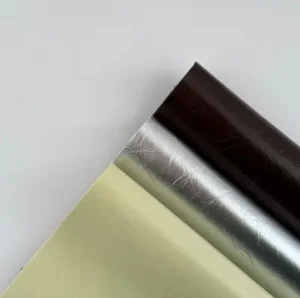
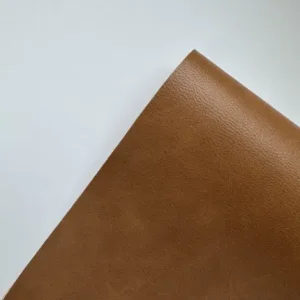
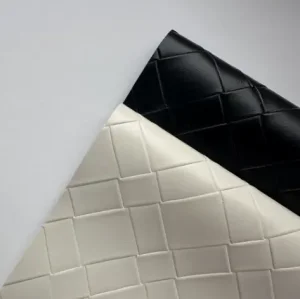
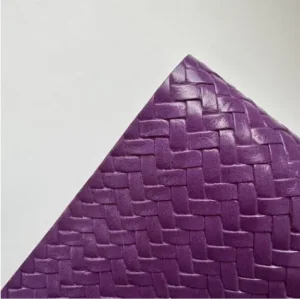
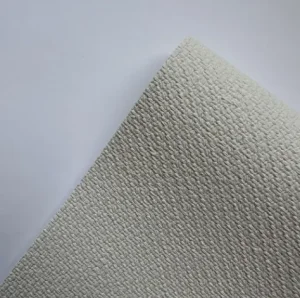
High-Quality Circular Recycled Synthetic Leather-9321 Suppliers
Explore Specification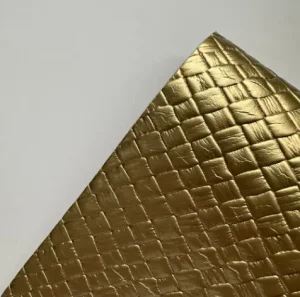
Custom RCS‑Verified Recycled‑Content Sustainable Synthetic Leather-9317
Explore Specification