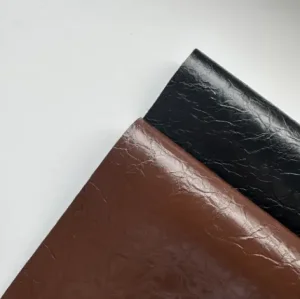
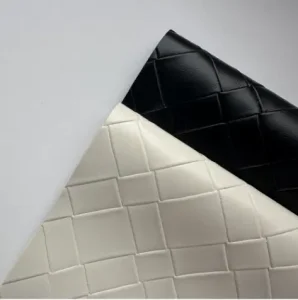
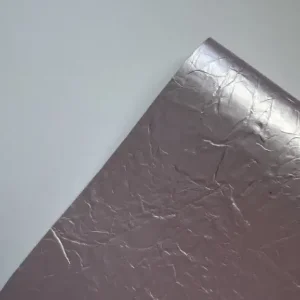
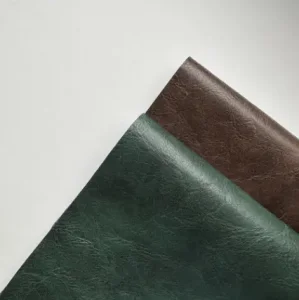
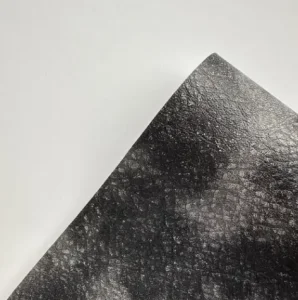
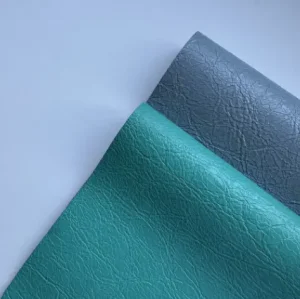
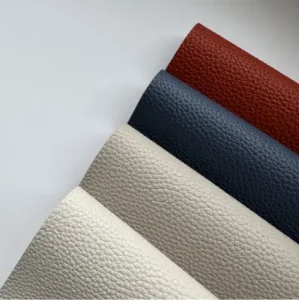
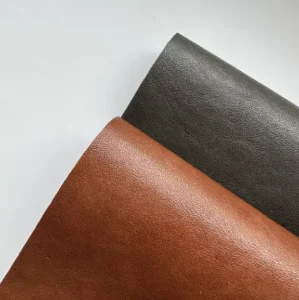
High-Performance Bio-Based & Recycled Materials
Engineered to deliver exceptional mechanical drape, breathability, and authentic non-woven tactile dynamics compliant with international LCA benchmarks.
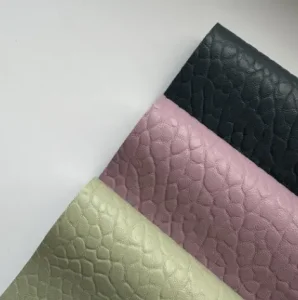
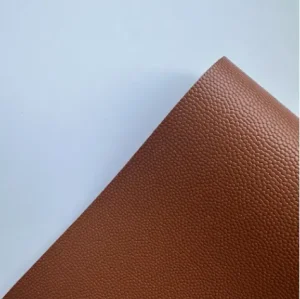
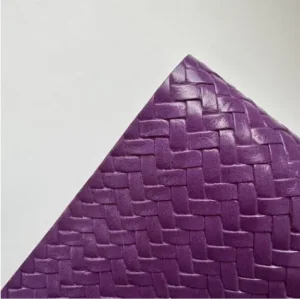
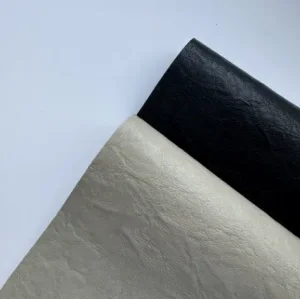
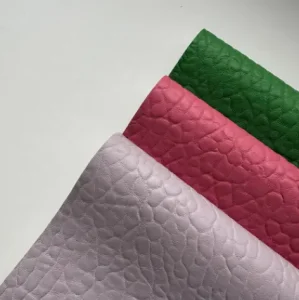
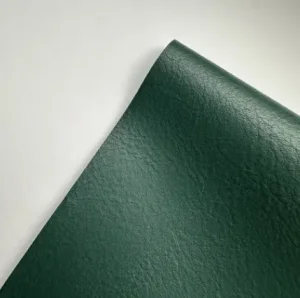
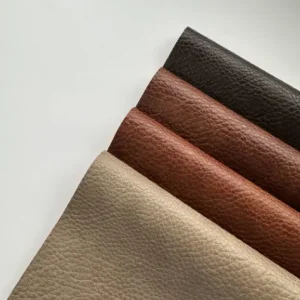
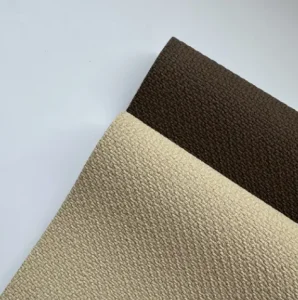
B2B Enterprise Procurement Demands for Piñatex & PALF Leather
Enterprise procurement divisions within automotive, high-end footwear, and luxury goods require materials that move beyond boutique lab samples to certified mass manufacturability.
Consistent Tensile & Tear Modulus
Traditional raw pineapple fiber harvests fluctuate widely across seasonal batch yields. Sourcing officers require advanced enzymatic scouring and needle-punch stabilization to achieve isotropic tensile parameters exceeding 45 N/mm².
Validated Low-VOC & Zero-Solvent Topcoats
Piñatex substrates require flexible protective capping. Global Tier-1 buyers mandate waterborne or 100% solvent-free bio-polyurethane (Bio-PU) chemistries that maintain Zero Dimethylformamide (DMFa < 2 ppm) content.
Complete Chain of Custody & ESG Traceability
Brand sustainability disclosures under the EU CSRD and SEC Climate Directives demand third-party verifiable feedstock tracing from raw agricultural by-product down to the rolled custom composite bolt.
Macro Industry Solutions: Bridging the Gap from Bio-Waste to Luxury Spec
Overcoming the structural limitations of early-generation plant leathers through molecular-level polymer optimization and precision mechanical manufacturing.
Enzymatic Fiber Degumming & PALF Refining
Untreated pineapple leaf fibers contain high concentrations of lignin, hemicellulose, and pectin, resulting in brittle flex-cracking. Our specialized multi-stage enzymatic degumming pipeline purifies the cellulosic core down to micro-fibrillar bundles. This process preserves intrinsic tensile resilience while establishing uniform fiber density across wide industrial roll formats (137 cm / 54 inches).
Waterborne Bio-Polyol Hybridization
Rather than compounding pineapple non-wovens with petrochemical PVC or conventional petroleum-derived PU coatings, our manufacturing partners deploy plant-derived polyols derived from non-food agricultural biomass. This maximizes ASTM D6866 bio-carbon yield while matching the abrasion endurance, stitch-tear resistance, and hydrolysis cycles demanded by premium automotive and footwear tech packs.
Closed-Loop Water & VOC Scrubbing Architecture
Engineered inside JiangXin’s solar-powered campus, production minimizes Scope 1 and Scope 2 operational footprints. Integrated wastewater treatment facilities cycle process fluids back through washing phases, while regenerative thermal oxidizers guarantee compliant exhaust emission values well below stringent international and Chinese industrial standards.
| Mechanical Metric / Test Method | Conventional Petro-PU | Early-Gen Plant Leather | JiangXin Custom Bio-Matrix Piñatex Spec |
|---|---|---|---|
| Bio-Based Carbon Share (ASTM D6866) | 0% (Petroleum Feedstock) | 15% - 30% Blend | 40% - 75% Certified Bio-Yield |
| Bally Flex Endurance (ISO 5402-1) | 100,000 Cycles (Ambient) | 20,000 - 40,000 Cycles | > 100,000 Dry / > 50,000 Cold (-10°C) |
| Hydrolysis Resistance (Jungle Test 70°C, 95% RH) | 3 to 5 Weeks | 1 to 2 Weeks (Delamination Risk) | 5 to 8 Weeks (Polycarbonate Hybrid) |
| Taber Abrasion (ASTM D3884, H18/1kg) | 1,000 Cycles | 300 - 500 Cycles | > 1,500 Cycles No Breakthrough |
| VOC & Solvent Limits | Often contains trace DMFa/Toluene | Variable Solvent Residuals | Solvent-Free / Zero Detectable DMFa (< 2ppm) |
Technology Roadmap: Next-Generation Circularity (2026–2030)
A structured blueprint moving from mechanical biomass fillers toward macromolecular mono-material composites engineered for true end-of-life enzymatic breakdown.
Phase 1: Bio-Carbon Enhancement (Current Baseline)
Optimizing plant-derived polyols within the polyurethane formulation to reach up to 60-75% total bio-derived carbon content verified under USDA BioPreferred and ASTM D6866 radiocarbon metrics, replacing fossil-based adipic acid segments with sustainable vegetable-based diacids.
Phase 2: Mono-Material Cellulosic Fusion (2026–2028)
Engineering direct covalent bonding between PALF cellulosic fiber backbones and hydrophilic water-dispersible polyurethane coatings. Eliminating synthetic adhesives between the top layer and non-woven core enables monomaterial shredding, solvent extraction, and true mechanical circular re-spinning.
Phase 3: Enzymatic Industrial Compostability (2028+)
Developing engineered bio-polymers that exhibit standard operational durability during consumer use (UV stable, hydrolytically inert) but decompose under calibrated municipal composting conditions via specific microbial enzyme activation.
Localization Support, Quality Assurances & Export Compliance
A global delivery footprint supporting seamless market entry across the European Union, North America, Japan, and Southeast Asian manufacturing hubs.
EU REACH & SVHC Compliance
All custom roll-stock batches undergo comprehensive testing to guarantee zero concentrations of Substances of Very High Concern (SVHC) above 0.1% w/w under Regulation (EC) No 1907/2006. Production utilizes no restricted organotin stabilizers, phthalates, or short-chain chlorinated paraffins (SCCPs).
RCS & GRS Traceability Verification
Where bio-composite formulations merge agricultural PALF with recycled structural scaffolds (e.g., rPET backings), full Recycled Claim Standard (RCS) and Global Recycled Standard (GRS) transaction documentation is issued from raw flake shredding through to bulk shipment.
Direct OEM Integration & Slitting Facilities
We supply materials directly to Tier-1 cutting and sewing sub-contractors worldwide. Materials are delivered slit to exact width tolerances (±2mm), engineered with high yield uniformity to support automated digital CNC and Die cutting tables without curling or fiber release.
Frequently Asked Questions for Technical Sourcing Teams
Direct technical answers addressing physical metrics, processing configurations, bio-content validation, and commercial minimum order parameters.
What distinguishes Piñatex and PALF materials from standard PU leather?
How is the bio-based content in your customized formulas formally audited?
Can this material be run on standard die-cutting and automated stitching lines?
What are your standard Minimum Order Quantities (MOQ) and lead times for custom colors and grains?
Does custom bio-based composite leather meet automotive interior durability standards?
Commercial Production Grade References
Field-proven references engineered for footwear vamps, technical outerwear panels, and structured luxury leather goods.