
High-Performance Low VOC Synthetic Leather Solutions
Explore our certified articles engineered for low odor, non-toxic emissions, zero volatile solvents, and extreme tactile longevity. Tailored for commercial brand programs across automotive, footwear, and consumer goods.
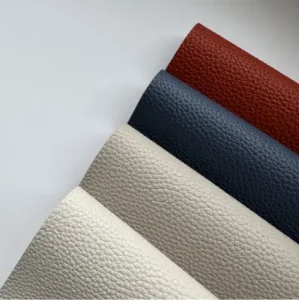
OEM RCS Certified Recycled Sustainable Synthetic Leather-9163
View Product Specs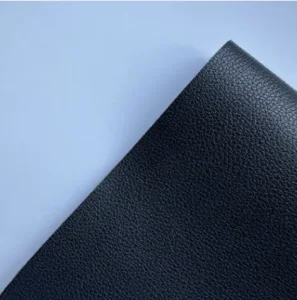
High-Quality Green Low‑Carbon Sustainable Synthetic Leather-9077
View Product Specs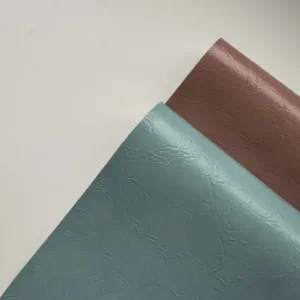
OEM Industrial‑Grade Bio‑Derived Renewable Synthetic Leather-0177
View Product Specs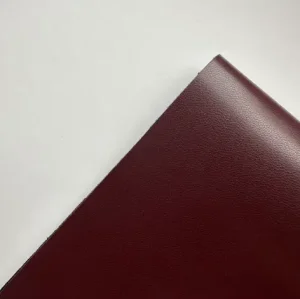
Custom Sustainable Bio-Based Vegan Leather-2002 Manufacturer
View Product Specs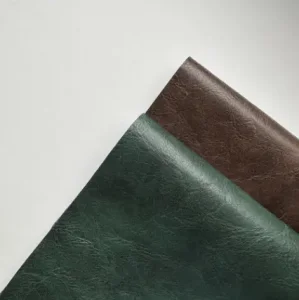
Sustainable Recycled Leather with Official RCS Certification-9240
View Product Specs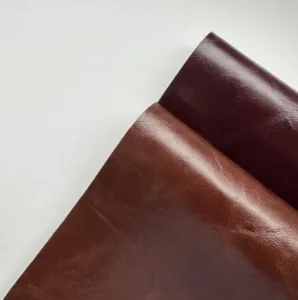
Wholesale High‑Performance Eco‑Engineered Synthetic Leather-0255
View Product Specs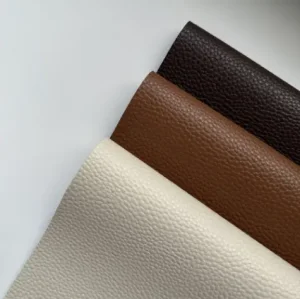
High-Quality Sustainably Upcycled Recycled Synthetic Leather-9027
View Product Specs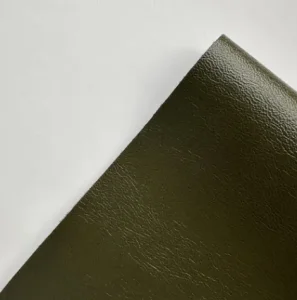
Custom Eco-Friendly Sustainable Synthetic Leather-0230
View Product SpecsMacro Industry Solutions: Overcoming the VOC Crisis in Polymer Leather
Conventional synthetic leather production historically relied on dimethylformamide (DMFa), toluene, methyl ethyl ketone (MEK), and dimethylacetamide (DMAc). These toxic organic solvents volatilize during coagulation and curing, leaving residual airborne carcinogens and persistent odors. Yingde City JiangXin New Material Co., Ltd. (JX.ECO) resolves this bottleneck through closed-loop green chemistry, replacing fugitive solvents with high-solid waterborne polyurethane dispersions (PUD) and 100% solvent-free reactive polyurethane systems.
Solvent-Free Polyurethane (SF-PU)
Eliminates water and organic carriers entirely. Utilizes two-component or moisture-curing polyurethane prepolymers with 100% active solid content. Cures rapidly via polyaddition reactions without evaporating volatile hydrocarbons into the environment or trapping toxic vapors in the microporous matrix.
- Zero VOC emissions during thermal cross-linking
- Eliminates hazardous secondary solvent distillation
- Exceptional peel strength and flex crack resistance
Waterborne PUD Polymer Chemistry
Disperses high-molecular-weight aliphatic polyurethane resins into deionized water carriers instead of chlorinated or ketone solvents. Enables breathable, vapor-permeable microporous grain layers that mimic premium top-grain leather without chemical off-gassing.
- Total VOC compliance under VDA 278 and ISO 12219
- No DMFa, DMAc, formamide, or organotin catalysts
- Silky, warm hand-feel with dry-touch surface finishes
Biobased Plant-Derived Feedstocks
Replaces finite petroleum monomers with renewable bio-polyols sourced from industrial corn, castor oil, and non-edible agricultural biomass. Quantified and verified via ASTM D6866 radiocarbon dating, directly shrinking Scope 3 upstream emissions.
- Bio-based carbon content customizable from 20% to 75%+
- USDA BioPreferred certification verified
- Seamless integration with recycled PET (rPET) backings
The Global Shift: Decarbonization & Cabin Air Quality Mandates
Industrial buyers across North America, the European Union, Japan, and the Asia-Pacific are re-evaluating synthetic leather procurement. With tightening corporate ESG commitments, mandatory Digital Product Passports (DPP), and stringent cabin air quality requirements, selecting low VOC synthetic leather is no longer merely an ecological choice—it is a critical market-access imperative.
Automotive Cabin Air (VIAQ)
OEMs such as BMW, Mercedes-Benz, Tesla, and Toyota require ultra-low aldehydes, benzene, and odor ratings below Grade 3.0 according to VDA 270 and GB/T 27630 standards.
Luxury Fashion & Footwear
Apparel conglomerates enforce strict Zero Discharge of Hazardous Chemicals (ZDHC) MRSL limits and AFIRM guidelines, eliminating skin-sensitizing residual amines.
Contract & Medical Facilities
Hospitals, commercial airports, and hospitality chains require GREENGUARD Gold certified upholstery to preserve Indoor Air Quality (IAQ) while withstanding hospital-grade disinfectants.
Consumer Electronics
Smart wearable straps, VR headsets, and tablet cases demand prolonged biological contact safety, zero plasticizer migration, and RoHS compliance without halogenated flame retardants.
Technical Specification Matrix: Conventional PU vs. JX.ECO Clean Platforms
Definitive analytical comparison between conventional wet/dry solvent PU leather, solvent-free reactive polyurethane, and waterborne bio-based PU composite leather manufactured at JiangXin.
| Evaluation Parameter | Test Standard | Conventional Solvent PU | JX.ECO Waterborne PUD | JX.ECO Solvent-Free (SF-PU) |
|---|---|---|---|---|
| DMFa Content | EN ISO 16189 / GC-MS | > 500 – 1,000 ppm | ND (Non-Detectable < 2 ppm) | ND (Zero Used in Synthesis) |
| Total VOC (TVOC) | VDA 278 (Thermal Desorption) | > 350 – 800 µg/g | < 30 µg/g | < 15 µg/g |
| Formaldehyde & Acetaldehyde | ISO 12219-4 / HPLC | Detectable (> 15 mg/kg) | < 1.0 mg/kg (Compliant) | < 0.5 mg/kg |
| Odor Evaluation Rating | VDA 270 (6-point scale) | Grade 4.0 – 5.0 (Pungent) | Grade 2.0 – 2.5 (Barely Noticeable) | Grade 1.5 – 2.0 (Odorless) |
| Hydrolysis Resistance (Jungle Test) | 70°C, 95% RH (Tropical Chamber) | 3 – 5 Weeks (Degradation) | 7 – 10+ Weeks | 10 – 15+ Weeks (Superior) |
| Martindale Abrasion Cycle | ISO 12947-2 (12 kPa load) | 30,000 – 50,000 Cycles | 80,000 – 120,000 Cycles | 150,000+ Cycles |
| Bio-Based Carbon Content | ASTM D6866 Carbon-14 | 0% (100% Fossil Sourced) | 20% – 55% Bio-Polyol | 30% – 75% Renewable Carbon |
| Backing Textile Compatibility | Textile Exchange Chain-of-Custody | Virgin Polyester / Poly-cotton | GRS/RCS Certified 100% rPET | Recycled Microfiber / Tencel / Bio-Cotton |
Localized Support & International Regulatory Compliance Assurances
Navigating cross-border customs and rigorous brand restricted substance lists (RSL) requires documented chain-of-custody and accredited third-party batch verification. JiangXin guarantees absolute compliance across critical target regional standards.
European Union: REACH & RoHS
Full alignment with Regulation (EC) No 1907/2006 (REACH) Annex XVII restrictions. In particular, our articles guarantee DMFa concentrations below the strict 5 mg/kg threshold (EU Regulation 2021/2030), eliminating SVHC registration bottlenecks for European importers.
- Zero banned phthalate plasticizers (DEHP, DBP, BBP, DINP, DIDP, DNOP)
- Heavy metal-free formulations (Lead, Cadmium, Hexavalent Chromium, Mercury)
- RoHS Directive (EU) 2015/863 compliant for electronics
North America: Prop 65 & EPA TSCA
Formulated to pass California Proposition 65 without mandatory warning labels. Free from toxic residual solvents, bisphenols, and per- and polyfluoroalkyl substances (PFAS / "Forever Chemicals") in water-repellent and anti-fouling surface treatments.
- EPA TSCA Title VI and Title V air emissions compliance
- USDA BioPreferred Certified Product labelling supported
- ASTM E1333 / ASTM D6007 chamber emissions clearance
Traceability: RCS, GRS & Higg FEM
Every meter of our recycled collection is certified through the Textile Exchange Recycled Claim Standard (RCS). JiangXin provides authenticated Transaction Certificates (TC) tracking post-consumer bottle flakes (rPET) from resin flake melting to base fleece weaving.
- amfori BSCI social compliance verified factory floors
- Higg Facility Environmental Module (FEM) scorecards accessible
- ISO 9001, ISO 14001, and ISO 45001 registered facility
Localized High-Value Engineering Scenarios
Low VOC synthetic leather is engineered not simply to replace animal hides, but to exceed their technical boundaries in durability, weight reduction, and physical endurance under localized harsh operational environments.
Automotive Tier-1 & EV Cabins
Automotive seating, instrument panels, dashboards, and door trims. Engineered to eliminate windshield fogging (DIN 75201-B), withstand 1,000+ hours of continuous UV xenon-arc exposure (SAE J2412), and deliver pristine cockpit air quality without stale synthetic smells.
Luxury Marine & Yachting
Exterior flybridge seating and interior salon appointments. Formulated with anti-pink-staining fungal resistance (ASTM G21), salt spray corrosion endurance (ASTM B117), and cold-crack resilience down to -30°C for marine environments.
Athletic Footwear & Lifestyle
Vamp, quarter, and tongue components in performance running shoes, football boots, and fashion sneakers. Withstands 200,000+ Bally flex cycles at -10°C without micro-cracking, paired with high-frequency welding compatibility and high seam-tear strength.
Commercial Healthcare & Aviation
Contract seating for medical suites, airport terminals, and hospitality venues. Resistant to quaternary ammonium disinfectants, blood and urine staining, and certified to meet FAR 25.853 and California TB 117-2013 flammability protocols.
JiangXin Production Campus: A 135,733 m² Clean-Tech Benchmark
Founded on June 2, 2017 in Yingde City, Guangdong Province, Yingde City JiangXin New Material Co., Ltd. was constructed under modern petrochemical and eco-engineering guidelines. Featuring floor-to-ceiling tempered glass production halls for natural illumination, high-efficiency regenerative thermal oxidizers (RTO), and a dedicated wastewater biological treatment station, our campus reconciles high manufacturing output with minimal ecological impact.
Closed-Loop Renewable Energy
Equipped with 4.68 Megawatts of rooftop solar photovoltaics generating clean electricity for our continuous coating lines. In combination with automated residual heat recovery arrays, our production campus mitigates over 4,200 metric tons of CO₂ equivalent annually.
Full-Chain In-House Formulation
Unlike assembling converters who purchase ready-made base leathers, JiangXin operates proprietary waterborne resin synthesis reactors, automated micro-gravure coating lines, vacuum grain embossing presses, and color-matching labs in one continuous facility.
Stringent Lab-to-Line QA Rigor
Our internal testing laboratory is equipped with gas chromatography-mass spectrometry (GC-MS), Bally flexometers, Taber abrasers, weathering accelerated chambers, and computerized color spectrophotometers to lock in batch-to-batch repeatability.
Next-Generation Technical Roadmap: Toward 100% Circularity (2025–2030)
Sustainable material engineering is moving beyond basic low-VOC compliance toward closed-loop circular systems. Here is JiangXin’s strategic deployment plan for sustainable polymer synthesis over the coming decade.
Zero-DMFa & Recycled Base Fleece
Total market replacement of solvent-borne polyurethane lines with waterborne PUD and solvent-free reactive PU. Industrial deployment of 100% GRS/RCS-certified recycled polyester knit and non-woven backings across core commercial articles.
High-Fraction Bio-Polyols (>60%)
Commercialization of agricultural byproduct-based polyols (non-food chain) verified under ASTM D6866. Development of PFAS-free fluorine-free oleophobic surface coatings and solvent-free water-based hot-melt adhesives.
Carbon Capture & Utilization (CCU) Polyurethanes
Synthesizing polyether-polycarbonate polyols using captured industrial carbon dioxide (CO₂) as a direct chemical reactant, turning greenhouse gases into structural polymer chains with 20% reduced fossil fuel demand.
Mono-Material Closed-Loop De-Polymerization
Engineering 100% mono-material thermoplastic polyurethane (TPU) leather assemblies—surface, skin, foam, and backing made from identical chemical families—enabling mechanical and chemical recyclability back to raw resin at end-of-life.
Frequently Asked Questions: Sourcing Low VOC Synthetic Leather
Authoritative answers from JiangXin’s chemical engineering and international export logistics divisions for material developers, sourcing directors, and compliance teams.
What specifically distinguishes "Low VOC Synthetic Leather" from standard synthetic PU/PVC leather?
How does JiangXin substantiate bio-based content claims to avoid greenwashing?
Can JiangXin furnish Transaction Certificates (TC) for RCS or GRS certified purchase orders?
How does low VOC solvent-free PU perform in high-humidity tropical climates (hydrolysis resistance)?
What are the lead times, MOQ requirements, and custom color/grain options for OEM programs?
Does your low VOC synthetic leather comply with flame retardancy standards without toxic additives?
Precision Catalog: Circular, Plant-Derived & High-End Synthetics
Expand your sustainable development library. The following references provide specialized grain variations, tailored elastic modulus, waterborne top-coats, and customizable backings for forward-thinking brand developers.
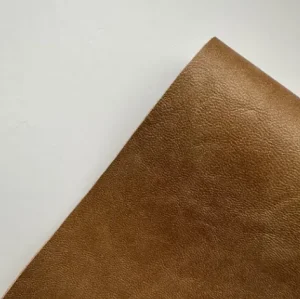
Circular‑Focused RCS‑Verified Recycled Synthetic Leather-0003
View Product Specs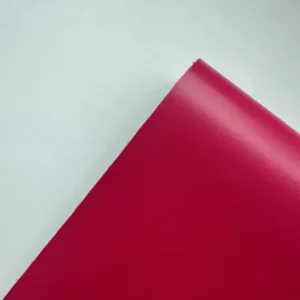
Wholesale Eco-Conscious High-Performance Synthetic Leather-0167
View Product Specs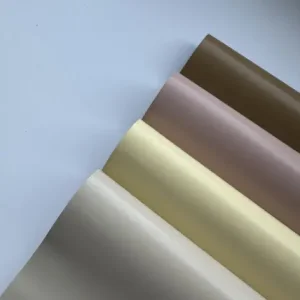
Custom Bio-Based Renewable Synthetic Leather-2056
View Product Specs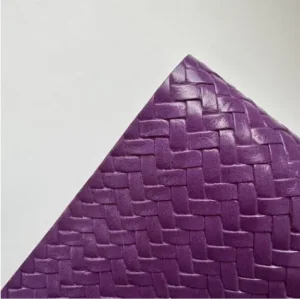
Custom Green Sustainable High-End Synthetic Leather-9344
View Product Specs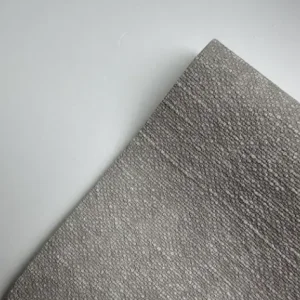
High-Quality Plant‑Derived Bio‑Based Synthetic Leather-9020
View Product Specs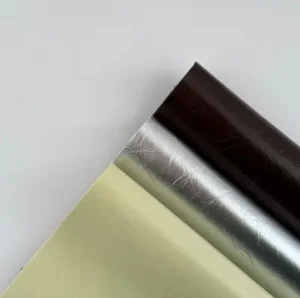
OEM Sustainable Eco-Friendly Faux Leather-0195
View Product Specs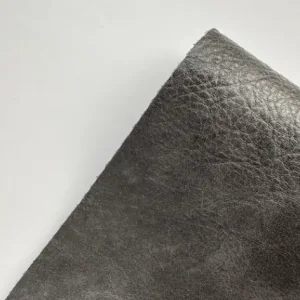
OEM RCS Qualified Recycled Eco-Friendly Synthetic Leather-9271
View Product Specs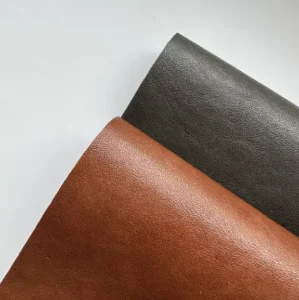
Wholesale Eco-Friendly Sustainable Synthetic Leather-9309
View Product SpecsAccelerate Your Low-Carbon & Low-VOC Transition
Consult with our senior chemical engineers in Guangdong. We provide physical swatch binders, comprehensive VDA 278 / ISO 12219 VOC emission test reports, USDA ASTM D6866 bio-based verification dossiers, and custom pilot roll sampling within 7 business days.