
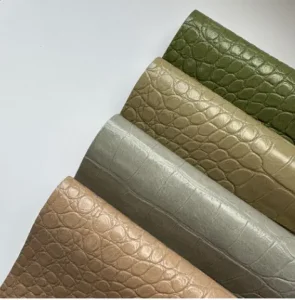
Featured Eco-Engineered Exotic PU References
Exacting surface textures matched with bio-based polyols and RCS-traceable substrate backings for international procurement brands.
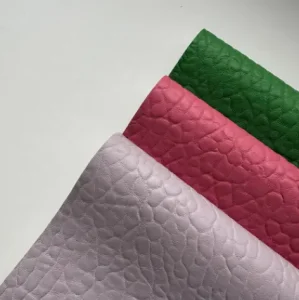
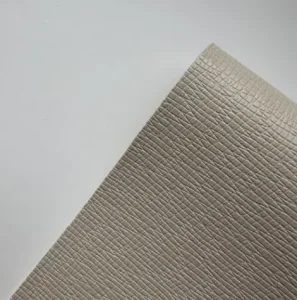
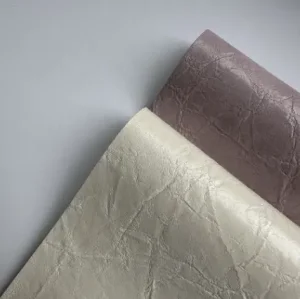
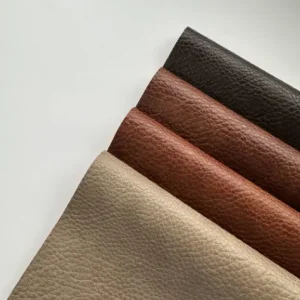
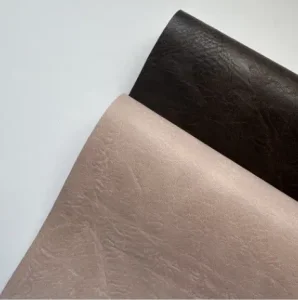
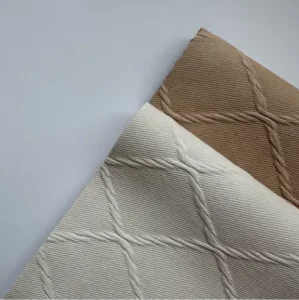
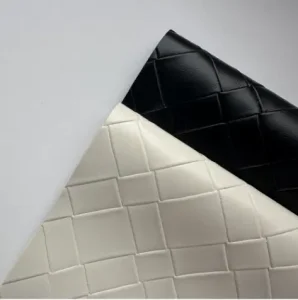
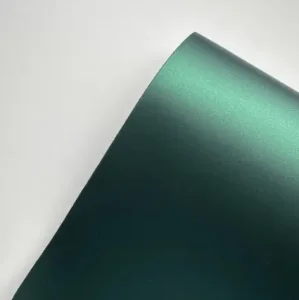
Commercial & Industrial Landscape of Faux Snakeskin Leather
Why Tier-1 luxury conglomerates, contemporary footwear brands, and industrial manufacturers are substituting wild Python, Cobra, and Viper hides with high-definition bio-synthetic polymer matrices.
The global exotic leather sector has arrived at an unprecedented technological inflection point. Historically, natural reptile hides—principally derived from Python reticulatus, Python molurus, and aquatic colubrid snakes—commanded ultra-premium market positions due to their distinctive epidermal scale geometry, complex keel apex ridges, and organic undulating pigmentation. However, escalating environmental stringency, rigorous enforcement of CITES (Convention on International Trade in Endangered Species of Wild Fauna and Flora), animal welfare consumer boycotts, and volatile physical yield limitations have fundamentally disrupted traditional supply chains.
In response, modern polymer chemistry and mechanical texturing have matured beyond rudimentary PVC sheet stamping. Today, high-tier custom faux snakeskin leather manufactured by specialized facilities utilizes solvent-free polyurethane (PU), water-based PU dispersion (PUD), and plant-derived bio-polyols cast against micro-engraved release papers or hot-embossed via dual-action cylinder photogravure. This allows manufacturing partners to synthesize authentic reptile tactile sensations—such as overlapping, semi-independent tactile scale edges, dry velvet hand-feels, and anisotropic stretch profiles—while achieving superior tear resistance, batch-to-batch dimensional stability, and verified ESG compliance.
Key Market Driver: From Scarcity Risk to Engineered Scalability
Real reptile hides suffer from cutting yield deficiencies often below 45% due to belly scars, irregular perimeter silhouettes, bullet holes, and parasite pitting. High-precision faux snakeskin rolls manufactured in widths of 137cm to 142cm deliver consistent 98%+ cutting efficiencies for automated CNC laser cutters, drastically reducing factory scrap rates for footwear uppers and luxury luggage gussets.
CITES & Regulatory Exemption
Eliminates customs seizure risks, endangered species permits, and cross-border veterinary documentation required for true reptile skin imports.
Circular Carbon Feedstocks
Integration of USDA Certified Biobased polyols extracted from non-food agricultural waste alongside RCS/GRS-certified post-consumer rPET backing yarns.
Zero-Defect Homogeneity
Continuous uniform pattern repeat engineering ensures uniform color tonality, scale grain alignment, and mechanical modulus across 10,000+ meter production lots.
Global RSL Compliance
Engineered to surpass EU REACH (SVHC zero-detection), RoHS, 6P/17P Phthalate-free mandates, and ZDHC Level 3 wastewater chemical management.
China Factory Efficiency & Technological Superiority
Inside JiangXin New Material (JX.ECO): 135,733 m² of solar-powered industrial infrastructure located in Yingde, Guangdong, optimizing exotic synthetic leather output.
The manufacturing of custom faux snakeskin leather requires a delicate balance of physical chemistry, thermodynamics, and mechanical embossing accuracy. Traditional generic synthetic leather workshops struggle with scale grain flaking, stiff touch dynamics, plastic odor, and delamination along scale crevices. In contrast, leading Chinese specialized facilities like Yingde City JiangXin New Material Co., Ltd. (JX.ECO) have re-architected the exotic faux leather manufacturing workflow through vertical integration and clean technology.
Established on June 2, 2017, JiangXin's manufacturing campus is engineered to modern petrochemical and eco-industrial construction benchmarks. Featuring expansive tempered-glass workshops, intelligent environmental climate regulation, on-site industrial wastewater treatment infrastructure, and a massive 4.68 MW rooftop photovoltaic solar system, our plant generates a significant portion of its operational electricity on-site. This structural clean-energy foundation drastically lowers the embedded carbon footprint (Scope 1 and Scope 2 emissions) of every square meter of faux snakeskin leather shipped to global partners.
Dual-Phase 3D Texturing Precision
Our dual-line production system deploys specialized European release papers alongside custom-machined 3D laser-engraved calender rolls. This technique achieves multi-depth relief where central diamond dorsal scales appear prominent and firm, while lateral abdominal flank scales remain soft, pliant, and naturally recessed.
Automated Two-Tone Tipping Lines
Snakeskin aesthetics depend heavily on color gradation. Utilizing automated optical tip-printing heads, we apply micro-coatings of contrasting semi-matte lacquers or metallic pearlescent pigments to scale apexes, replicating Anaconda, Python bivittatus, and Viper patterns with absolute shade accuracy.
Full-Chain In-House R&D Lab
From polyurethane synthesis and masterbatch color dispersion to customized substrate knitting (microfiber, twill, elastic jersey, recycled fleece), JiangXin controls all compounding in-house, enabling rapid lab-dip turnarounds in 48–72 hours and bulk lead times in under 12 days.
High-Value Application Scenarios Across Global Markets
How international fashion brands, bespoke transport upfitters, and industrial tech designers tailor our snakeskin substrates to structural stress points.
Luxury Footwear & Western Boots
Application: Cowboy boot shafts, stiletto pumps, athletic lifestyle sneaker overlays.
Engineering Focus: Exceptional Bally flex resistance (>100,000 cycles at 20°C and >30,000 cycles at -10°C), tight break during lasting, high tear resistance along stitch perforations, and peel strengths exceeding 3.5 kg/3cm.
Handbags, Clutches & Luggage
Application: Structured tote bags, minaudières, exotic travel duffels, wallets.
Engineering Focus: Controlled stiffness (temper) without creping or orange-peel wrinkling along curved seams. High Martindale dry/wet rub resistance (>50,000 cycles) and zero migration against lighter garment fabrics.
Automotive Custom Restyling & Marine
Application: Steering wheel wraps, door cards, instrument clusters, yacht seating.
Engineering Focus: UV xenon arc stability (ISO 105 B02 > Grade 4.5), low VOC fogging values (<2.0 mg per sample under DIN 75201), and flame retardancy meeting FMVSS 302 and BS 5852 Crib 5.
Consumer Electronics & Accessories
Application: Premium smartphone cases, laptop sleeves, smart watch bands, watch winders.
Engineering Focus: Ultra-thin calibration (0.5mm – 0.7mm) with exceptional dimensional stability, high sweat resistance, skin contact safety (OEKO-TEX Standard 100), and anti-fingerprint oleophobic finishes.
Emerging Industry Trends in Synthetic Reptile Leather
Next-generation green chemistry, waterborne coatings, digital 3D texturing, and circular life cycle modeling reshaping the sector from 2026 to 2030.
The synthetic leather landscape is transitioning away from conventional petroleum-dominated polyurethane towards high-performance green polymer matrices. Brands are no longer satisfied with cosmetic similarities to snake skin; they demand materials that support Scope 3 carbon reduction programs and verified circular claims.
1. Plant-Based & Bio-Polyol Synthetics (ASTM D6866 Certified)
By extracting bio-monomers from industrial corn dent, castor oil derivatives, and agricultural by-products, JiangXin synthesizes polyols that replace between 20% and 55% of petrochemical fossil carbon in the top polyurethane skin and intermediate foam layers. These compositions are rigorously certified via Carbon-14 radiocarbon analysis according to ASTM D6866, providing measurable, audited sustainability claims for customer hangtags without compromising tensile strength or flex fatigue resilience.
2. 100% Solvent-Free & Waterborne PU Dispersion (Zero DMF / Low VOC)
Historically, PU synthetic leather depended on dimethylformamide (DMF) or dimethylacetamide (DMAC) solvents during the wet coagulation process. Under strict EU REACH SVHC sunset deadlines, JiangXin has implemented 100% solvent-free hot-melt extrusion lines and aqueous PUD dispersion systems. This eliminates hazardous solvent outgassing, reduces water consumption by up to 60%, and delivers odorless, non-sensitizing faux snakeskin articles safe for immediate wearable skin contact.
3. RCS and GRS Traceability on Substrate Backings
The structural backbone of faux leather resides in its base textile. Our factory utilizes Recycled Claim Standard (RCS) and Global Recycled Standard (GRS) certified microfibers, ultra-fine polyester knits, and upcycled post-consumer rPET bottles. Through comprehensive chain-of-custody Transaction Certificates (TC), international brands can trace recycled components directly back to polymer pellet suppliers.
4. Digital Optical Scanning & Micro-Tactile Tooling
By taking ultra-high-resolution 3D CT scans of natural specimens (such as shed skins from captive non-threatened species), optical engraving lasers produce nanometer-accurate microstructure moulds. This captures microscopic imbricate scale undercuts and natural tactile friction that synthetic materials previously lacked, rendering high-end faux snakeskin indistinguishable from wild hides under blind touch evaluations.
| Performance Parameter | Standard Test Method | JX.ECO Custom Snakeskin Performance | Typical Industrial Benchmark |
|---|---|---|---|
| Bio-Based Carbon Share | ASTM D6866 (Radiocarbon) | 25% – 50% Bio-Carbon Content | 0% (Standard Fossil PU) |
| Bally Flex Resistance (Ambient) | ISO 5402 / DIN 53351 | > 120,000 Cycles (No Cracking) | 50,000 Cycles |
| Cold Crack Resistance | ASTM D1790 / ISO 4646 | Passed -20°C / -30°C Cold Flex Test | -10°C Maximum |
| Martindale Abrasion | ISO 12947-2 (12 kPa) | > 50,000 Rubs (Dry) / > 30,000 (Wet) | 20,000 Rubs |
| Tear Strength (Trouser Tear) | ISO 13937-2 | ≥ 45 N (Warp) / ≥ 40 N (Weft) | ≥ 25 N |
| Hazardous Substances | GC-MS Screening | DMF < 5 ppm, 6P Phthalates Zero Detected | DMF < 30 ppm |
Global Enterprise Procurement Requirements & OEM Workflow
The five technical parameters and quality assurance steps that global sourcing managers must evaluate before issuing Purchase Orders for faux snakeskin lots.
1. Caliper & Grammage Tolerance
Thickness consistency across the entire 137cm usable width must remain strictly within ±0.05mm. Whether sourcing 0.8mm for garments or 1.4mm for boots, uneven gauge leads to failure in automated cutting dies and stitch bunched seams.
2. Delamination & Hydrolysis Resistance
Accelerated Jungle Testing (Jungle Test: 70°C, 95% Relative Humidity for 5 to 10 weeks) guarantees that the polyurethane skin does not become tacky, peel, or disintegrate over 5–7 years of commercial consumer use.
3. Metamerism & Scale Tipping Alignment
Color consistency between scale valleys and ridges must be evaluated under multiple illuminants: D65 (Daylight), CWF (Fluorescent), and TL84 (Retail Store Lighting) to ensure delta-E (ΔE) color variance remains under 0.8 across repeat dye lots.
4. Chemical Safety Passports (RSL)
Suppliers must furnish third-party SGS, TÜV, or Intertek laboratory certifications verifying compliance with OEKO-TEX Standard 100 Class I/II, zero heavy metals (Lead, Cadmium, Hexavalent Chromium), and zero organotin stabilizers.
Custom Formulation & High-Durability Articles
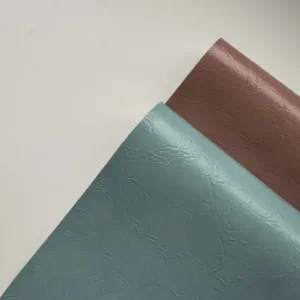
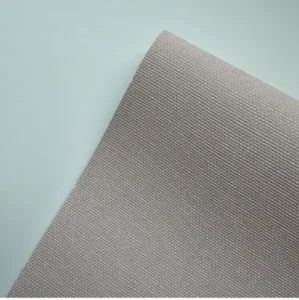
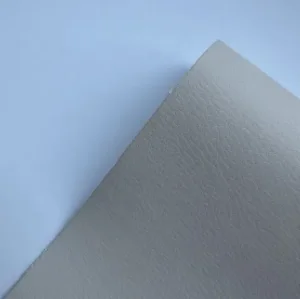
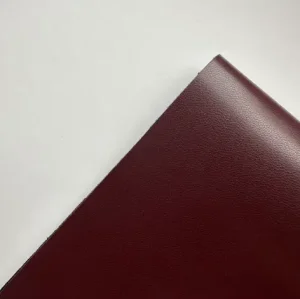
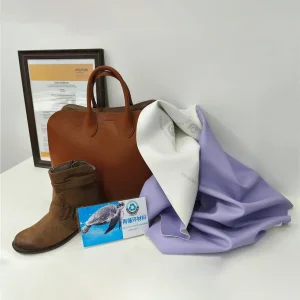
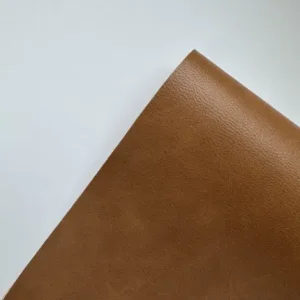
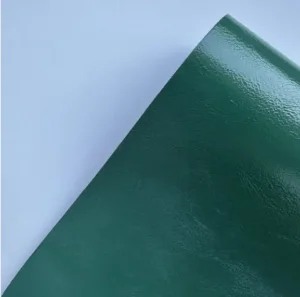
Explore customized bio-derived and waste-upcycled references available for immediate swatch sampling and OEM bulk contracting.
Frequently Asked Questions on Custom Faux Snakeskin Leather
Definitive technical and commercial answers provided by our senior materials engineers for brand development directors and supply chain leads.
How does faux snakeskin replicate the natural scale separation of real python?
Authentic tactile scale relief is engineered through precision micro-embossing technology. Rather than shallow flat roll pressing, we use specialized 3D multi-level release papers or laser-engraved calender rolls that produce microscopic recesses between individual scales. When combined with our solvent-free PU formula, the scales present individual flexural relief and realistic edge friction without detaching from the base fabric.
Can you formulate bio-based polyols with snakeskin patterns for eco-conscious luxury brands?
Yes. We specialize in synthesising bio-based synthetic leather that incorporates 20% to 50%+ plant-derived carbon content verified by ASTM D6866 radiocarbon testing. This allows brands to offer cruelty-free exotic reptile collections with verified renewable feedstock claims and lower greenhouse gas (GHG) footprints.
What is the standard Minimum Order Quantity (MOQ) and lead time for custom grain development?
For existing catalog snakeskin patterns with custom Pantone colors, our typical production MOQ is 500 meters per colorway. For bespoke 3D roller engraving and new pattern development, tooling requires approximately 15 to 20 days, followed by sample swatches within 5 business days. Standard bulk roll production runs take 10 to 14 days after swatch sign-off.
How does synthetic snakeskin perform in footwear lasting and tensile flexing?
Natural reptile leather is prone to drying out, flaking, and tearing across the belly scales during high-pressure toe-lasting. Our custom faux snakeskin utilizes ultra-dense microfiber or high-tenacity cross-woven polyester knit backings. This ensures continuous tensile ratings ≥ 400 N/3cm and Bally flex ratings exceeding 100,000 cycles without seam blowout or grain cracking.
Is your faux snakeskin leather certified for European and North American chemical compliance?
Every meter manufactured in JiangXin's Yingde facility is engineered to pass EU REACH Annex XVII (SVHC non-detected), RoHS, California Proposition 65 (total lead < 90 ppm, cadmium < 100 ppm), and 6P/17P Phthalate-free standards. Full compliance passports from SGS or Intertek are supplied alongside production shipments.
Can you supply flame-retardant and anti-scratch grades for commercial seating and car interiors?
Yes. We can incorporate non-halogenated flame retardants to satisfy automotive standard FMVSS 302, aviation FAR 25.853, or contract hospitality BS 5852 Crib 5. In addition, our high-crosslink polycarbonate surface coats provide scratch resistance that withstands Taber CS-10 abrasive wheels and steel wool scratch tests without loss of gloss or embossing definition.