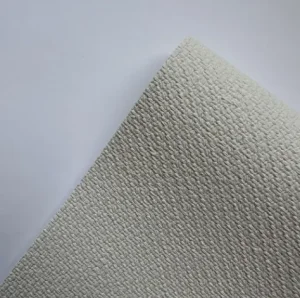
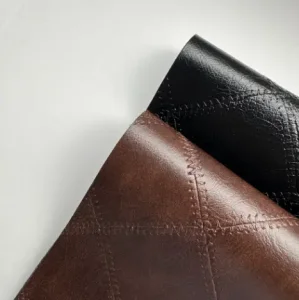
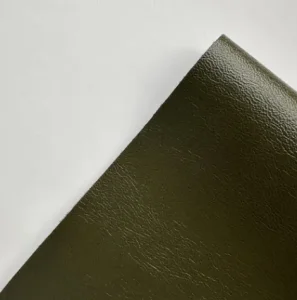
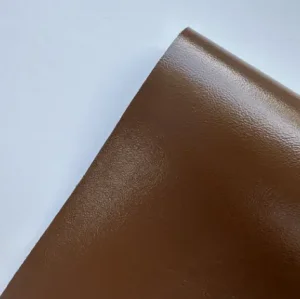
Precision Printed & Bio-Engineered Synthetic Leather Catalog
Engineered to satisfy ASTM, ISO, and REACH parameters. Explore verified formulations from our Yingde clean-tech manufacturing base.
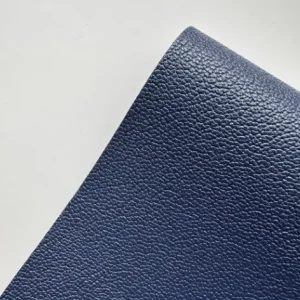
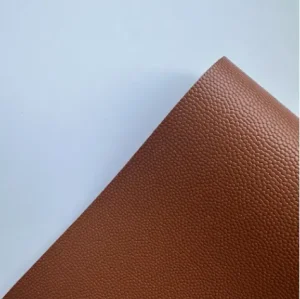
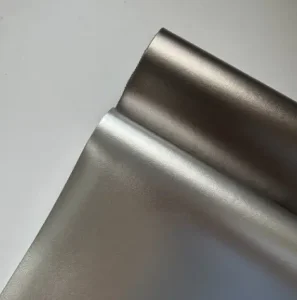
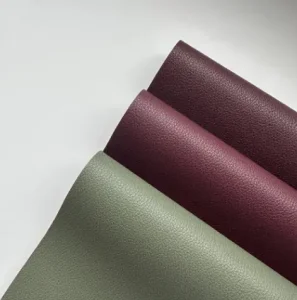
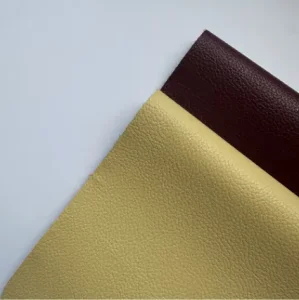
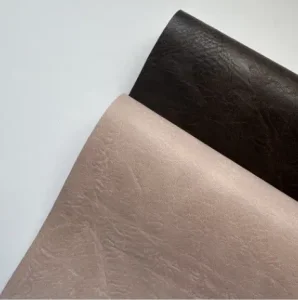
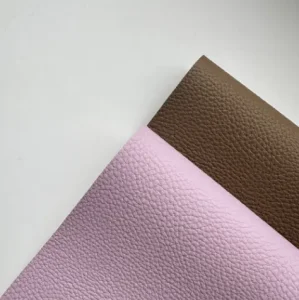
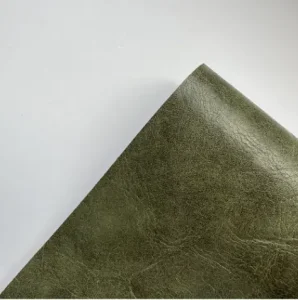
Industrial Dynamics: The Shift to Circular Custom Faux Printed Substrates
Procurement directors and product design architects across the European Union, North America, and East Asia are aggressively replacing solvent-borne PVC and unverified synthetics with multi-layer printed PU and solvent-free biobased matrixes.
Stringent Chemical Border Adjustments
Global regulatory enforcement, driven by EU REACH SVHC amendments and the Corporate Sustainability Due Diligence Directive (CSDDD), demands absolute exclusion of organotin stabilizers, DMFa (< 5 ppm), and ortho-phthalates. Custom faux printed leather must maintain chemical safety through every ink layer and protective topcoat.
Micro-Resolution Visual Demands
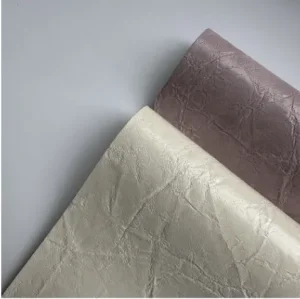
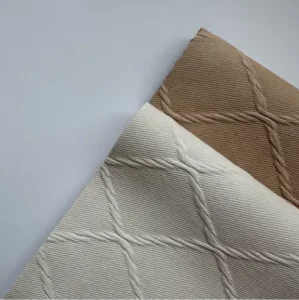
Modern luxury brands require photorealistic replication of natural grains, exotic flora, and geometric vector lines without color migration or bleed. State-of-the-art digital inkjet and rotogravure transfer technologies anchor pigments deep within the polyurethane cross-linked matrix rather than resting weakly on the surface.
Traceable Chain-of-Custody (RCS & GRS)
Greenwashing scrutiny requires rigorous verification from third-party certification bodies. Forwarding agents and compliance officers demand batch-specific Transaction Certificates (TC) verifying post-consumer recycled PET base scrims or biobased agricultural carbon measured via ASTM D6866 radiocarbon testing.
Engineering Roadmap: Next-Gen Coating, Inks & Polymer Substrates
Systematic comparison of standard industrial coatings versus JiangXin's proprietary solvent-free, bio-derived printed PU leather platforms.
| Evaluation Parameter | Legacy PVC / Solvent-Borne PU | JiangXin Water-Based Transfer PU | JiangXin Solvent-Free Bio-PU |
|---|---|---|---|
| Volatile Organic Compounds (VOC) | High (> 350 mg/kg DMF, MEK, Toluene) | Ultra-Low (< 20 mg/kg, water vehicle) | Zero Solvent Detected (0 mg/kg VOC) |
| Pigment Adhesion & Flexural Endurance | Cracks below -10°C; 20,000 cycles | Bally Flex > 80,000 cycles (-15°C) | Bally Flex > 150,000 cycles (-25°C) |
| Ink Fastness & Color Bleed Resistance | Grade 3.0 (Dry), Grade 2.0 (Wet crocking) | Grade 4.5 (Dry), Grade 4.0 (Wet) | Grade 5.0 (Dry), Grade 4.5+ (Wet Crock) |
| Carbon Origin & Bio-Renewability | 100% Fossil / Petroleum Derived | RCS-Certified Recycled PET Substrate | USDA BioPreferred (30% to 75% Bio-Carbon) |
| Hydrolysis Aging Resistance | 1 to 3 Years (Accelerated Jungle Test) | 5 to 7 Years (10-week Jungle Test) | 10+ Years Marine / Commercial Spec |
Phase 1: Nano-Anchor Topcoats
Application of cross-linked aliphatic aqueous polyurethane skin layers. This nano-barrier prevents surface oil degradation, plasticizer migration, and protects intricate custom print graphics from high-abrasion shear forces.
Phase 2: Molecular Bio-Polyol Synthesis
Synthesizing industrial feedstocks derived from renewable corn starch, castor bean oil, and agricultural cellulose. Replacing petrochemical polyether/polyester polyols without sacrificing tensile strength or tear resistance.
Phase 3: Digital Direct-to-Substrate Integration
Continuous inline UV-LED curing and high-speed pigment transfer. Reduces sample-to-bulk turnarounds down to 5 days, maintaining 99.8% roll-to-roll chromatic consistency across 10,000+ meter production volumes.
Localized Application Scenarios: Demands & Engineering Responses
How our custom faux printed substrates perform in specialized international client applications.
European Designer Leather Goods & Bags
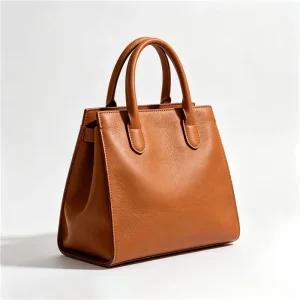
Demands flawless drape, sharp embossing retention, and clean cut-edge paint absorption for luxury totes and accessories. Our custom printed synthetic leather utilizes high-density microfiber backings that mimic the dense fibril structure of natural calfskin.
North American Automotive & Fleet Trim
Requires strict compliance with FMVSS 302 flammability limits and automotive fogging requirements (DIN 75201). Our engineered printed formulations feature UV stabilizing packages that prevent pattern fading under prolonged solar exposure.
High-Performance Footwear & Athletic Uppers
Exposed to severe flex cycles and high-abrasion environments. Engineered with dynamic tensile recovery and anti-delamination primers, preventing peel failure between the printed film and the knitted recycled polyester backing.
China Factory Resilience: Scale, Integration & Carbon Efficiency
How JiangXin’s 135,733 m² integrated campus in Yingde, Guangdong delivers stability, cost defense, and carbon advantages to global brand partners.
4.68 MW Solar Independence
Our expansive rooftop photovoltaic infrastructure generates clean electricity directly for our dry and wet coating lines, insulating clients from fossil grid surcharges and lowering baseline product carbon footprint (Scope 2 emissions).
Closed-Loop Environmental Systems
Equipped with an advanced on-site industrial wastewater treatment facility and closed-loop thermal heat recovery units, our facility recycles thermal energy from drying tunnels, surpassing national environmental standards.
Agile Rapid-Prototyping Cluster
Located in the Guangdong chemical and textile manufacturing core, we maintain immediate proximity to base yarn spinners, bio-polyol synthesis reactors, and cylinder engravers, cutting custom sample turnaround to 3-5 business days.
Rigid In-House Metrology Labs
Every batch of custom printed synthetic leather undergoes testing for Taber abrasion, Bally flexibility, Martindale pilling, color spectrophotometry (Delta E < 0.5), and accelerated Xenon arc weathering before packing.
Audited Compliance, Ethical Governance & Certification Ecosystem
Comprehensive regulatory coverage ensuring clearance at customs ports and brand onboarding across major global trade markets.
USDA BioPreferred® & ASTM D6866
Third-party certified bio-content validation. Radiocarbon isotope analysis proves the exact ratio of biobased carbon to fossil carbon, providing verifiable claims for your hangtags and ESG marketing declarations.
Recycled Claim Standard (RCS)
Comprehensive chain of custody certification tracked through Textile Exchange protocols. Guarantees authentic recycled content in our woven, non-woven, and microfiber backings, complete with verifiable Transaction Certificates (TC).
amfori BSCI, ISO 9001 & ISO 14001
Facility operations audited for social compliance, worker welfare, and workplace safety. Fully certified under Quality (ISO 9001) and Environmental Management (ISO 14001) systems, alongside the Higg Index FEM module.
Technical & Sourcing Inquiries: Custom Printed Leather
Clear, engineering-focused answers to common questions from technical designers, compliance managers, and global procurement teams.
What print technologies are utilized for custom graphics on faux leather?
We deploy high-speed rotogravure transfer printing for multi-thousand-meter bulk runs, and industrial roll-to-roll UV-LED digital inkjet systems for short-run, complex gradients or rapid prototypes. Both systems incorporate proprietary aliphatic polyurethane topcoats that mechanically lock pigments into the wear layer.
How do you guarantee printed surfaces will not crack or peel under cold temperatures?
By engineering the glass transition temperature (Tg) of the polyurethane resin matrix to remain ductile down to -25°C. Cold-crack formulation balancing and polyether backbone selections ensure Bally Flex resistance exceeds 80,000 to 150,000 cycles, even in arctic conditions.
What is the standard Minimum Order Quantity (MOQ) and sample lead time?
For custom digital printed strike-offs, prototypes ship within 3 to 5 working days. For bulk production utilizing dedicated colorways or rotogravure roller engraving, our baseline MOQ begins at 500 linear meters per colorway, backed by an annual production capacity exceeding 16 million meters.
Can you formulate printed faux leather to satisfy strict automotive VOC and flammability specs?
Yes. Our solvent-free water-based systems eliminate harmful solvents like DMF, MEK, and toluene, satisfying DIN 75201 fogging limits. We also integrate non-halogenated organophosphorus flame retardants to pass FMVSS 302 and BS 5852 Crib 5 testing.
Advanced Synthetic Leather Formulations & Reference Articles
Explore additional verified references for technical footwear, upholstery, and accessories.