
Precision Engineered PU Formulations: Series 01
Direct supply from our automated coating facilities. Custom formulated for physical peel resistance, strict RSL standards, and distinct surface tactile dynamics.
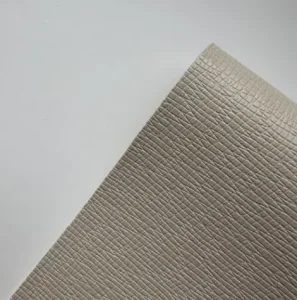
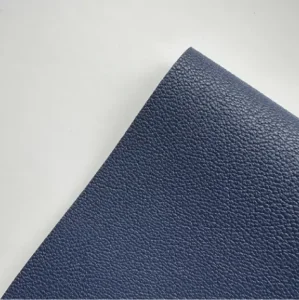
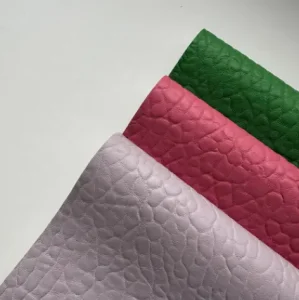
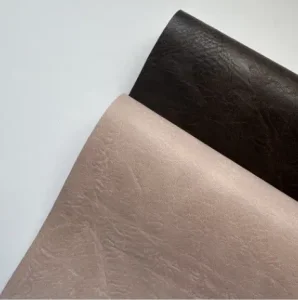
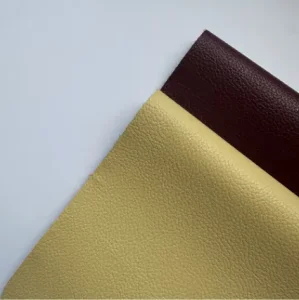
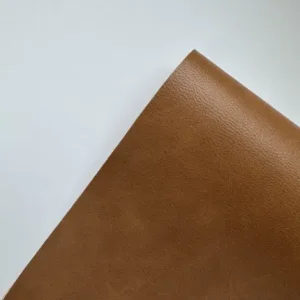
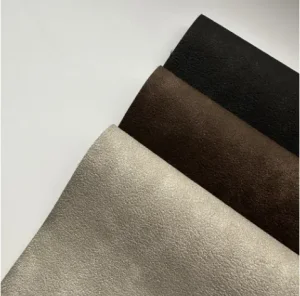
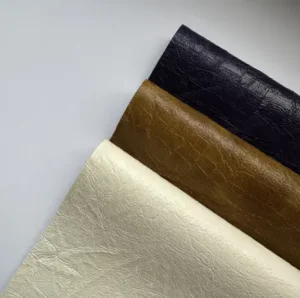
How We Define Next-Generation PU Leather
In modern industrial polymer engineering, synthetic polyurethane leather is no longer viewed merely as an imitation hide. We treat custom PU leather as an infinitely tuneable, multilayered composite engineered at the molecular level to outlast traditional hides while slashing environmental impact.
Micro-Porous Polyurethane Topcoat
Constructed using aliphatic or polycarbonate polyols, crosslinked with isocyanates to yield outstanding UV resistance, optical color clarity, and abrasion durability without plasticizer migration.
Engineered Coagulation & Interlayer
A calibrated cellular foam layer or wet-process microporous structure providing elastic memory, structural rebound, and insulation, mimicking the natural collagen matrix of animal dermis.
Substrate Matrix & Circular Bases
Backing systems customized with post-consumer recycled (rPET) microfibers, bio-attributed cotton scrims, or high-tensile tricot knits meeting stringent tensile and tear specifications.
Technology Roadmap: The Decarbonized Synthetic Frontier
JiangXin New Material operates an enterprise R&D center dedicated to accelerating the shift from petrochemical-derived polyurethane to bio-renewable, solvent-free, and closed-loop recyclability.
Stage 1: High-Solid Solvent-Free PU
100% reactive solids polyurethane coatings processed without Dimethylformamide (DMFa), Dimethylacetamide (DMAc), or volatile aromatic solvents. Zero off-gassing, instant curing, and superior grain depth retention.
Stage 2: Plant-Derived Bio-Polyols
Synthesizing polyols sourced from non-food agricultural waste, castor oil, and industrial corn starch. Achieving 25% to 65% certified bio-carbon content proven by ASTM D6866 radiocarbon mass spectrometry.
Stage 3: Waterborne (WBPU) Dispersions
Water-dispersed polyurethanes utilizing pure H₂O as the carrying medium. Completely eliminating hazardous chemical risks during coagulation, yielding hypoallergenic, infant-safe hand feel with exceptional breathability.
Stage 4: Closed-Loop Recyclability
Engineering mono-material polyurethane/polyester laminates engineered for mechanical and chemical glycolysis recycling at product end-of-life, resolving modern landfill and incineration bottlenecks.
Macro-Industry Material Solutions
Performance profiles tailored for specific application stress states. We match polymer formulation, grain depth, and structural substrates to the rigorous realities of each global sector.
Footwear & Athletic Performance
Engineered for high dynamic flex fatigue (>100,000 Bally flexes at -20°C), stitch tear strength, tongue tensile resilience, and fast vacuum-forming for molded toe boxes. Breathable backing layers keep interior foot microclimates comfortable.
Luxury Luggage & Handbags
Delivers rich hand feel, drape, edge-paint compatibility, and crisp emboss definition (e.g. Toothpick, Saffiano, Pebble). Tested for prolonged colorfastness against denim bleed, grease, sweat, and Martindale abrasion wear.
Automotive Interiors & Seating
Meets strict OEM requirements for low VOC emissions, fogging limits (DIN 75201), extreme UV stability (Xenon arc exposure 1200 kJ/m²), and flame retardancy (FMVSS 302, ISO 3795) without antimony trioxide.
China Factory 4.0: Supply Chain Resilience & Efficiency
Located in Yingde, Guangdong, JiangXin New Material operates a modern 135,733 m² production campus built from the ground up to replace outdated chemical operations with automated, low-carbon manufacturing lines.
4.68 MW Solar-Powered Grid
Our expansive factory rooftops host a 4.68 megawatt photovoltaic generation array, converting clean solar energy into production power and cutting direct Scope 2 carbon intensity by over 3,200 metric tons of CO₂ equivalent annually.
Closed-Loop Waste Treatment
Equipped with a self-contained biological wastewater treatment system and catalytic heat recovery units. Process water is treated and recycled back into heating loops, minimizing environmental discharge.
Automated Inline Thickness & Delta-E
Our multi-station coating lines feature inline non-contact laser calipers and spectrophotometer sensors, keeping roll thickness within ±0.03 mm and color variance to ΔE < 0.5 across large runs.
Global Regulatory Frameworks & Certifications
Ensure smooth market access with audit-ready documentation. Every production batch is backed by certified laboratory test reports and complete supply chain traceability certificates.
EU REACH & SVHC Clearance
Strictly compliant with EU Regulation (EC) No 1907/2006. Screened against the latest Candidate List of Substances of Very High Concern (SVHC) to ensure concentrations remain strictly below 0.1% w/w.
Textile Exchange RCS & GRS
Full chain-of-custody tracking under the Recycled Claim Standard (RCS). Sourcing audited post-consumer rPET bottles and post-industrial resins with issued Transaction Certificates (TC).
OEKO-TEX & 6P Phthalate Free
Certified free of the six banned phthalate plasticizers (DEHP, DBP, BBP, DINP, DIDP, DnOP). Formulated to meet OEKO-TEX Standard 100 Class I safety criteria for direct contact with infant skin.
Amfori BSCI & Higg FEM Audit
We believe material sustainability must be paired with operational ethics. Our facility is verified under Amfori BSCI social compliance guidelines and completes annual Higg FEM environmental assessments.
Enterprise Procurement Engineering Matrix
Comprehensive technical specifications for sourcing directors, quality engineers, and R&D material specialists. Every parameter can be modified to your tech pack criteria.
| Performance Characteristic | Target Test Standard | Conventional Semi-PU | JiangXin Solvent-Free PU | JiangXin Bio-Based PU |
|---|---|---|---|---|
| Bio-Carbon Content | ASTM D6866 Radiocarbon | 0% (Petro-based) | 0% - 10% Optional | 30% to 65% Certified |
| Cold Flex Crack Resistance | Bally Flexometer (ISO 5402) | 10,000 cycles at 0°C | 50,000 cycles at -15°C | >100,000 cycles at -20°C |
| Hydrolysis Resistance | Jungle Test (70°C, 95% RH) | 1 to 3 Weeks (Degrades) | 5 to 7 Weeks (Stable) | 8 to 10+ Weeks Grade 4-5 |
| Surface Abrasion Endurance | Martindale (ISO 12947-2) | 15,000 Cycles | 40,000 Cycles | >60,000 Cycles No Breakdown |
| Residual Solvent (DMFa/DMAc) | EN ISO 18218-2 Extraction | 100 - 500 ppm | Non-Detectable (0 ppm) | Non-Detectable (0 ppm) |
| Dry / Wet Rub Fastness | ISO 105-X12 (Crockmeter) | Grade 3-4 | Grade 4-5 | Grade 4.5+ (Denim Proof) |
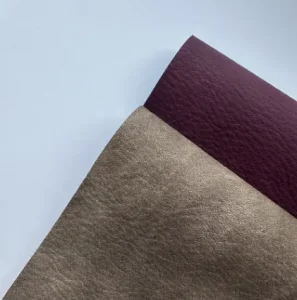
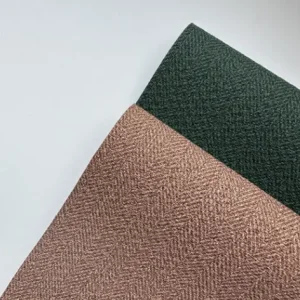
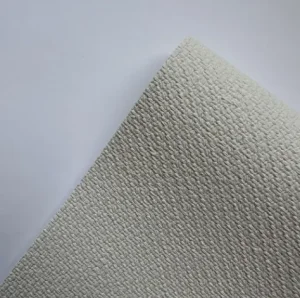
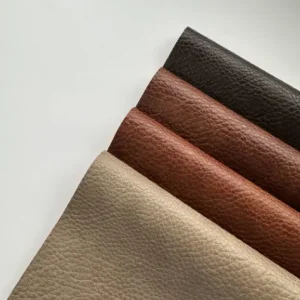
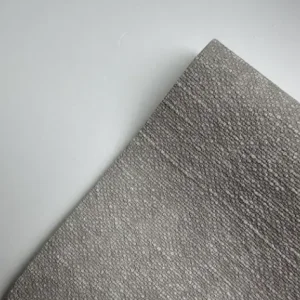
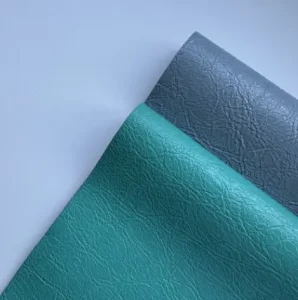
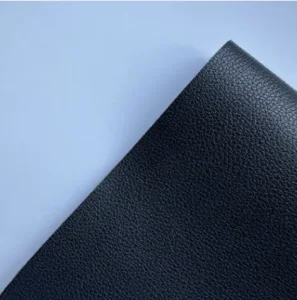
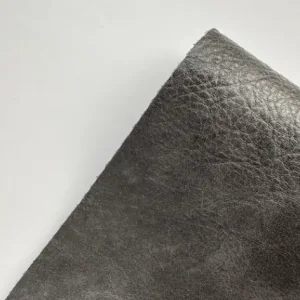
Precision Engineered PU Formulations: Series 02
Advanced vegan leather grades, engineered for extreme flex longevity, zero solvent odor, and audited recycled backing integration.
Frequently Answered Technical Questions
Direct technical answers from our chemical formulators and international export compliance specialists to address your critical material sourcing queries.
What precisely distinguishes solvent-free PU from conventional wet/dry coagulated synthetic leather?
Conventional dry and wet polyurethane leather relies heavily on organic carrying solvents—primarily Dimethylformamide (DMFa), methyl ethyl ketone (MEK), or toluene. During the coagulation and drying stages, these solvents must be evaporated and washed out, frequently leaving harmful trace residues (often 50–300 ppm) trapped in the cellular structure.
In contrast, JiangXin 100% solvent-free polyurethane utilizes high-solid prepolymers that react and cross-link dynamically directly on the casting line without volatile organic carriers. This eliminates DMFa/toluene entirely (yielding 0 ppm residue), prevents bubble formation, improves physical tensile and peel strength, and produces leather with virtually zero odor.
How does JiangXin substantiate and certify the bio-based content in its leather series?
Our bio-based leather series substitutes fossil-based petroleum polyols with bio-polyols synthesized from non-food agricultural feedstocks, such as industrial castor oil and biological starches. The renewable biological carbon ratio is scientifically measured through radiocarbon dating (Carbon-14 analysis) following ASTM D6866 protocols.
This empirical test distinguishes modern carbon derived from living plants from ancient fossil carbon. We supply official third-party radiocarbon certification reports (BETA Analytic or equivalent laboratories) that support hanging tags and hangtag claims for the USDA Certified Biobased Product program.
What is the exact process for obtaining Transaction Certificates (TC) under the Recycled Claim Standard (RCS)?
Because JiangXin New Material operates under a certified Textile Exchange Scope Certificate for the Recycled Claim Standard (RCS), we maintain unbroken mass-balance accounting throughout our processing facility. When an OEM or brand places an order for RCS-certified synthetic leather, we source traceable recycled post-consumer polyester (rPET) resin and yarn.
Upon production run completion and export packing, our compliance desk submits customs declarations, production records, and shipping invoices to our accredited third-party certification body. The registrar verifies the material balance and issues an official Transaction Certificate (TC) documenting the exact batch volume, buyer identity, and verified percentage of recycled content.
Can surface grains, thicknesses, and substrates be custom developed from customer physical swatches?
Yes. JiangXin operates an integrated pattern and tooling facility equipped with hundreds of release paper rolls, embossing plates, and custom engraving capabilities. We can match any grain type—from ultra-fine hair cells and linear toothpick designs to heavy pebble, Saffiano, and milled tumble textures.
Thicknesses are custom calibrated between 0.50 mm and 2.20 mm (±0.03 mm tolerance). Substrate backings can be selected from recycled tricot, non-woven microfibers, woven canvas, or bio-cotton, tailored for specific stretch, elongation, or tear parameters.
What are the minimum order quantities (MOQ), lab-dip lead times, and bulk container turnaround schedules?
For custom color matching and physical prototyping, lab swatches (A4 or 1-meter trial yardage) are delivered within 3 to 5 business days. Standard production MOQ is 500 meters per color/grain combination for custom runs, while existing catalog references can be procured in smaller sample quantities.
Bulk production turnaround typically ranges from 10 to 15 days for 20-foot and 40-foot high-cube containers. Because all formulation mixing, casting, surface finishing, and quality inspection occur on-site within our 135,733 m² campus, we control the entire lead-time schedule without outside tolling delays.
How does JiangXin ensure roll-to-roll color fidelity and physical uniformity across massive contract volumes?
We apply a four-tier quality control protocol across every meter produced. Raw polyols and pigment dispersions are batched through automated gravimetric dosing to eliminate human formulation error. During active coating runs, inline laser calipers monitor cross-web thickness profile while automated spectrophotometers log chromatic consistency.
Rolls are cured in climate-controlled hot rooms to eliminate plasticizer blushing or tackiness, followed by roll-to-roll automated optical inspection (AOI) to flag surface blemishes, pinholes, or grain distortions before master rolls are trimmed and packed.