
What Are the Top 10 Soft Faux Leather Suppliers Worldwide?

Time:2026-10-27 Author:Sienna
0%

Soft Faux Leather is moving from a niche upholstery material into mainstream fashion, footwear, automotive, and interior applications. Grand View Research reports that the global vegan leather market is expected to grow strongly through 2030, supported by demand for animal-free materials and improved surface technology. However, market growth does not automatically prove consistent product quality.

This article introduces ten leading Soft Faux Leather suppliers worldwide. The selection considers manufacturing scale, coating technology, export experience, customization ability, material consistency, and environmental disclosure. These factors matter on a real production line. A roll may look smooth under showroom lights, yet show uneven grain, weak bonding, or color variation during cutting. Supplier performance must be tested, not assumed.

Industry reports from Textile Exchange also highlight growing pressure for clearer material traceability and lower-impact production. Yet supplier sustainability claims can remain difficult to compare. Public information is uneven. Some manufacturers publish test data, while others provide only broad marketing statements. That weakness deserves attention. No global ranking is perfect. Buyer requirements also differ between handbags, sofas, car seats, and contract interiors.

The suppliers discussed here represent different strengths, including polyurethane formulation, recycled content, digital sampling, large-volume production, and regional responsiveness. Independent checks should still cover abrasion resistance, hydrolysis performance, tensile strength, colorfastness, and restricted-substance compliance. Small samples can mislead. Long-term performance matters more.

This guide is designed for sourcing managers, designers, importers, and manufacturers seeking practical comparisons. It combines published industry evidence with commercial evaluation criteria. Readers should verify current certifications, factory capacity, minimum order quantities, and sample results before making purchasing decisions.
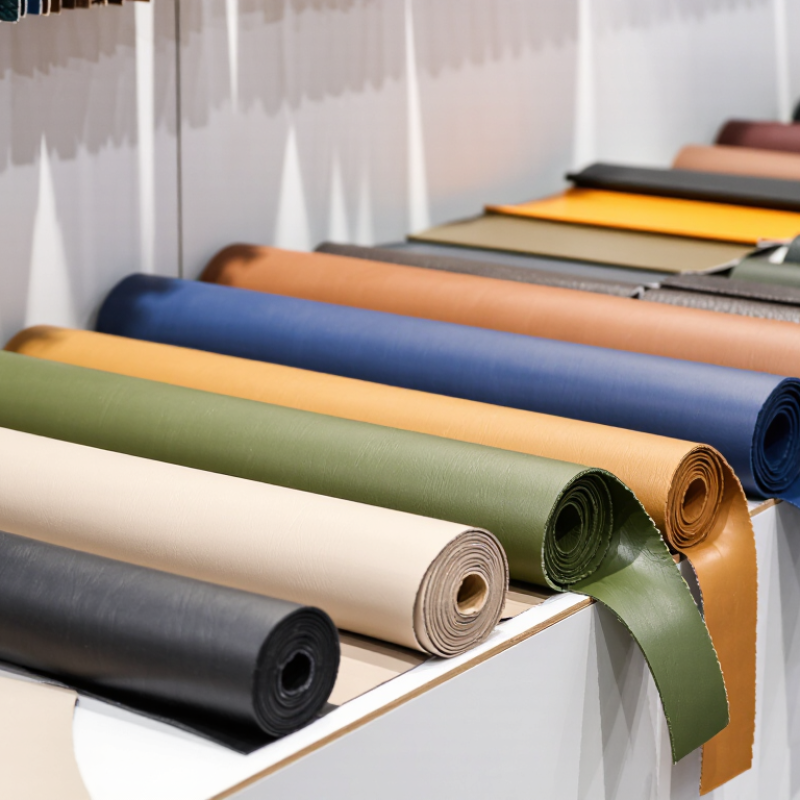
What Are the Top 10 Soft Faux Leather Suppliers Worldwide?

What Defines Soft Faux Leather and Its Main Applications

Soft faux leather is a synthetic material designed to imitate leather’s smooth touch and flexible surface. It commonly uses polyurethane or PVC coatings over woven, knitted, or microfiber backings. The softest versions bend easily without cracking and feel warm against the skin. However, softness alone does not prove quality.

Material testing usually checks thickness, tear strength, surface abrasion, odor, and color transfer. A reliable supplier should provide clear specifications and consistent sample results. In practical use, soft faux leather suits handbags, footwear, upholstery, clothing, headboards, and small accessories. It works especially well where comfort and easy cleaning matter. A sofa cover may feel pleasant, yet repeated friction can expose weak coating. This limitation deserves attention.

Tips: Pinch the material and release it slowly. Good material usually recovers without deep wrinkles. Rub a hidden area with a damp white cloth. Check whether color transfers. Ask for backing details, test reports, and production samples before comparing the top ten worldwide suppliers. Do not judge softness from photographs. Lighting hides surface texture, and online descriptions can sound better than reality. Even experienced buyers sometimes overlook edge cracking after folding. That mistake is avoidable with simple physical testing.

How to Evaluate Global Faux Leather Suppliers

Choosing among the top 10 soft faux leather suppliers worldwide requires more than a glossy catalog. A reliable evaluation starts with material evidence, production experience, and clear communication. Ask for samples showing grain, backing fabric, thickness, softness, and color consistency. A useful sample should include technical data, not only attractive photographs. Check whether the supplier can repeat the same finish across several production lots. Small differences matter. A sofa panel may feel smooth, while a handbag needs stronger flex resistance.

Review testing records for abrasion, hydrolysis, seam strength, coating adhesion, and light exposure. Request independent laboratory results when possible. Confirm factory capacity, quality-control stages, minimum order quantities, lead times, and packaging methods. Visit the facility or arrange a live video inspection. Seeing rolls stored beside a humid loading area can reveal more than a sales presentation. I have found that fast replies do not always indicate dependable production. A supplier who admits a limitation may be more trustworthy than one promising everything.

Tips: Compare at least three physical samples under daylight and indoor lighting. Rub each sample repeatedly with a dry cloth. Record odor, recovery, surface cracking, and backing stability. Ask how defects are measured and replaced. Check certificates carefully, including the issuing body and validity date. Pricing deserves attention, but the cheapest quote can hide inconsistent coating or costly delays. Keep a written scorecard. It makes personal impressions easier to challenge.

The Top 10 Soft Faux Leather Suppliers Worldwide

The top 10 soft faux leather suppliers worldwide are judged by more than attractive swatches. Experienced buyers examine softness, surface recovery, backing strength, and production consistency. A reliable supplier should provide clear specifications, recent test reports, and traceable material samples. Important details include polyurethane content, thickness, roll width, color tolerance, and resistance to abrasion. These facts help furniture makers, fashion teams, and automotive designers avoid expensive surprises.

During supplier checks, request samples from different production batches. Press the surface, bend it around a small cylinder, and inspect the backing for cracks. Ask how the material performs after heat, humidity, cleaning, and repeated flexing. Suppliers with skilled technical teams can explain these results without vague promises.

Still, no supplier is perfect. A soft finish may reduce scratch resistance, while a stronger coating can feel less natural. My own assessment would remain provisional until bulk production proves stable.

Tips: Compare at least three sample batches before placing a large order. Record thickness, color, odor, and hand feel under the same lighting. Confirm minimum order quantities, lead times, packaging, and replacement procedures in writing. Ask whether recycled content affects softness or coating adhesion. Do not trust one impressive sample. It can mislead. A careful review of the top 10 soft faux leather suppliers worldwide should balance tactile comfort, technical evidence, responsible manufacturing, and dependable communication.

Comparing Materials, Certifications, Capacity, and Customization

What Are the Top 10 Soft Faux Leather Suppliers Worldwide?

Comparing Materials, Certifications, Capacity, and Customization

The strongest supplier shortlist begins with material performance, not attractive sample photos. Soft PU leather usually offers a smooth handfeel, flexible backing, and consistent color. Microfiber alternatives can provide better abrasion resistance and a more natural grain. PVC may reduce cost, but it can feel less breathable and less refined. Ask for thickness, weight, tear strength, hydrolysis resistance, and abrasion results. Softness is not a specification.

Certifications help separate reliable suppliers from polished sales claims. Request current ISO 9001 records, restricted-substance testing, and applicable REACH or RoHS documentation. For fashion and upholstery products, independent laboratory reports are more useful than certificates alone. Check the testing date and product reference. Small details matter. I would also examine factory experience through production samples, not only a website portfolio. Some suppliers communicate well but struggle with shade consistency across large orders.

Production capacity should match your forecast, minimum order quantity, lead time, and inspection process. A capable supplier may offer several coating lines, digital color matching, embossing cylinders, custom backing fabrics, and low-volume sampling. Confirm monthly output in square meters and ask how defects are handled. Customization sounds easy until a complex grain pattern requires new tooling. That cost needs written approval. My own evaluation would keep room for uncertainty, because sample quality can hide seasonal material changes or rushed finishing. A balanced comparison of ten suppliers should record evidence, not impressions.

How to Select the Right Supplier for Your Business Needs

Choosing among the top ten soft faux leather suppliers requires more than comparing catalog photos. A reliable supplier should provide physical swatches, technical data, and clear production terms. Check softness, grain consistency, backing quality, thickness, and odor in person. A material may look luxurious online but feel stiff under real handling.

Ask about abrasion resistance, colorfastness, hydrolysis performance, and cleaning tolerance. Request recent test reports from recognized laboratories. Confirm whether the reports match the exact material and finish you plan to purchase. Review minimum order quantities, sample fees, lead times, packaging, and replacement policies. Transparent answers usually indicate stronger operational control. Vague promises deserve caution.

Tips: Test samples in your actual workshop. Sew, fold, stretch, and wipe them repeatedly. Compare several batches, not just one swatch. Ask how quality inspections are recorded before shipment. Communication speed also matters, especially when specifications change. I have found that the cheapest quotation can create hidden costs through rework and delays. Still, supplier claims should be verified; confidence is not evidence. A small trial order may reveal more than a polished presentation.

FAQS

What is soft faux leather made from?

It usually combines a polyurethane or PVC coating with woven, knitted, or microfiber backing. It imitates leather’s flexible surface.

Does softness prove good quality?

No. Softness is only one feature. Check thickness, tear strength, abrasion resistance, odor, and color transfer.

Where is soft faux leather commonly used?

It suits handbags, footwear, upholstery, clothing, headboards, and small accessories. It works well where comfort and easy cleaning matter.

How can I test softness physically?

Pinch the material and release it slowly. Good material usually recovers without deep wrinkles.

How can I check color transfer?

Rub a hidden area with a damp white cloth. Any visible color suggests a possible durability concern.

What supplier documents should buyers request?

Request technical specifications, backing details, recent test reports, production samples, and inspection records. Confirm they match the exact finish.

Which performance tests matter during supplier selection?

Check abrasion resistance, colorfastness, hydrolysis performance, cleaning tolerance, thickness, and backing quality. Do not rely on appearance alone.

Why should samples be tested in the actual workshop?

Sew, fold, stretch, and wipe them repeatedly. A material can look attractive yet crack, stiffen, or fail during production.

Is the cheapest quotation usually the best option?

Not always. Rework and delays may create hidden costs. Still, supplier claims require verification.

What common mistake should buyers avoid?

Do not judge material from photographs. Lighting can hide texture, stiffness, edge cracking, and surface weakness.

Conclusion

This guide explores what makes Soft Faux Leather a preferred alternative to genuine leather, focusing on its smooth hand feel, flexible structure, durability, and suitability for applications such as furniture, footwear, handbags, automotive interiors, apparel, and accessories. It explains how surface finish, backing fabric, thickness, breathability, abrasion resistance, and environmental performance influence material quality and end-use value.

The article also presents a practical framework for evaluating the top 10 Soft Faux Leather suppliers worldwide without relying solely on price. It compares suppliers according to material consistency, production capacity, quality control, certifications, color and texture options, customization services, minimum order requirements, lead times, and communication reliability. By matching these factors with product specifications, target markets, budget, sustainability goals, and expected order volume, businesses can select a dependable supplier capable of supporting both current production and future growth.

Sienna

Sienna

Sienna is a skilled marketing professional with a deep expertise in our company’s core products and services. With a passion for innovation and detail, she plays a pivotal role in crafting insightful blog posts that not only highlight the unique features of our offerings but also provide valuable......
Certificate preview