
How to Choose PU Faux Leather in 2026?

Time:2026-11-04 Author:Aria
0%

Choosing Pu Faux Leather in 2026 takes more than matching a color swatch. A glossy sample may look impressive under showroom lights, yet crack after repeated flexing or feel sticky in summer heat. Buyers should compare the face coating, backing fabric, thickness, surface finish, and intended use. Ask for technical data and a sample large enough to bend, rub, and inspect under natural light.

Polymer scientist Dr. Richard Pethrick’s work offers a useful materials-science lens: performance depends on formulation and processing, not just appearance. A practical guide principle is: “Judge the material by how it performs, not by its label.” This is an editorial buying principle, not a verbatim quotation from Dr. Pethrick. That distinction matters; expert credibility should not rely on invented quotes. In the sections ahead, we’ll examine durability, feel, breathability, care needs, and supplier questions, with upholstery, bags, and apparel considered separately.

There is no perfect option. A softer finish may show wear sooner, while a tougher coating can feel less supple. Those trade-offs deserve a close look. We’ll also cover common warning signs, such as uneven grain, weak seams, and vague product specifications. One test is not enough. Use samples, ask how the material was tested, and consider the conditions it will face in daily use. The aim is a confident choice, not a flawless promise.
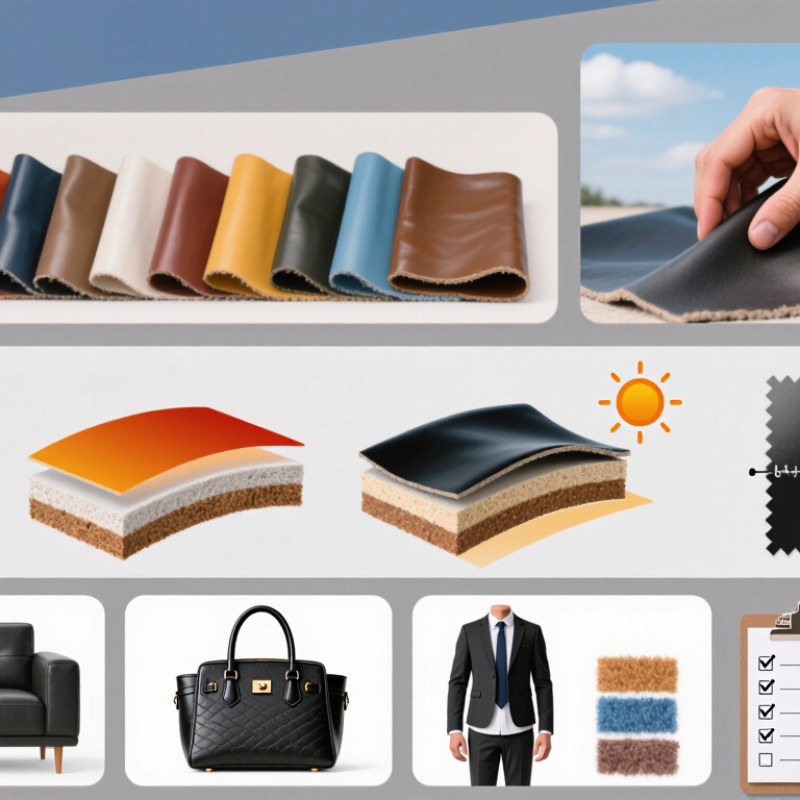
How to Choose PU Faux Leather in 2026?

Define PU Faux Leather and Its Main Types

PU faux leather is a fabric base covered with a layer of polyurethane. The backing is often polyester or cotton, while the surface is finished to resemble leather. Its grain may look smooth, pebbled, or lightly textured. Unlike genuine leather, it does not come from animal hide. The term describes a broad group of materials, not one fixed recipe. That distinction matters when comparing products.

Common types include standard PU, microfiber PU, and water-based PU. Standard PU usually has a woven or knitted backing and a polyurethane surface layer. Microfiber PU uses a dense, fine-fiber backing, which can feel softer and more substantial. Water-based PU refers to how the coating is made, not a separate surface texture. These labels can overlap, and suppliers may use them differently. There is no single naming system, so details are worth checking.

Tips: Ask about the backing, coating, thickness, and care instructions. Bend a sample and inspect whether the surface creases or feels tacky. Compare samples under natural light; color and grain can appear different indoors. A label alone is not enough. Small differences can matter.

Match the Material to Its Intended Use

Match PU faux leather to the job, not just the sample’s color or softness. Formulations, coating thickness, and backing fabrics vary widely. For sofas or vehicle seating, ask for abrasion and flex testing, plus hydrolysis resistance if the material will face heat and humidity. A smooth swatch can look convincing yet crack at a stitched seam. Looks matter. For bags, check tear strength, seam performance, and whether the backing supports the intended shape. Apparel usually needs a lighter, more flexible sheet that bends without feeling papery. Test the finished construction, not only a loose swatch.

Market growth does not prove that every grade performs well. Grand View Research estimated the global synthetic leather market at about US$33.7 billion in 2023, covering materials beyond PU. Treat that figure as market context, not a durability measure. Ask suppliers for dated test reports, the exact tested construction, and care instructions. For upholstery, ISO 12947 abrasion results can help compare samples, but test conditions matter. For humid settings, request hydrolysis data and clarify the test method. I would still order a production-representative sample and inspect it after bending, wiping, and stitching. It takes time. That extra check may reveal flaws a polished showroom swatch hides.

Compare Durability, Feel, and Construction

How to Choose PU Faux Leather in 2026?

Durability starts with construction, not a glossy surface. Check the backing: a stable woven or knitted fabric can resist stretching better than a flimsy base. Look closely at seams and cut edges, where peeling may appear first. Ask for abrasion and flex-test results, but compare samples tested under the same method. Numbers without context can mislead.

Feel is personal. A thicker sheet may seem sturdy, yet feel stiff against the hand. Embossed grain can hide small marks, while a smooth finish makes them easier to spot. Press and bend a sample, then notice whether it creases sharply or springs back. Try it in the setting where it will be used. A showroom touch is not enough.

Construction varies by coating layers, backing, and surface treatment, so two similar-looking materials may age differently. Check whether the finish feels evenly bonded, especially around folded corners. Wipe a small sample with a damp cloth and inspect it after drying; this is only a basic check, not a durability test. I would not judge quality by softness alone. That shortcut fails. Request care instructions and sample specifications, and remember that heavy friction, sunlight, and frequent cleaning can change the result. Even careful comparisons leave some uncertainty.

Check Safety Standards and Environmental Claims

When choosing PU faux leather, treat safety documents as part of the product, not an optional extra. Ask for current test reports covering the exact material, including its coating, backing, and finish. A report for a similar fabric may not apply. Check which substances were tested and whether results meet the requirements for your intended use and market. Ask who performed the testing, and verify the report’s date and scope. A low odor is reassuring, but it does not prove a material is safe.

Environmental claims need the same careful reading. Terms such as “green” or “eco-friendly” are too broad to assess on their own. Request the percentage of recycled content and clear information about how it was measured. Water-based production or recycled backing may reduce certain impacts, but neither makes a product automatically sustainable. Look for third-party verification where available, and check exactly what the certification covers. The fine print matters.

A small sample can reveal practical issues that paperwork misses. Bend it around a chair edge, rub the surface, and look for cracking or color transfer. Ask how long the material is expected to last and how it can be handled at end of life. That part is often unclear. I would not rely on a single certificate or a quick smell test; evidence can still leave questions about durability and disposal.

Evaluate Samples, Pricing, and Supplier Reliability

When choosing PU faux leather in 2026, compare physical samples before comparing quotes. Request the same color, backing, and thickness from each supplier. Check the surface in daylight and warm indoor light; undertones can shift. Bend a swatch around a 25 mm tube, then inspect the creases, coating, and edges. Feel matters too. A soft hand may suit upholstery, while a firmer backing can be easier to sew. One sample is not proof of consistency.

Ask for pricing per roll and per usable square meter, with minimum order quantities, sampling, packaging, freight, and color-matching charges listed separately. The lowest quote can hide more waste. Compare usable width and roll-length tolerance, not just the headline price. If possible, test a small production-like cut before placing a large order. That step costs time, and it may still miss issues that appear after months of use.

Supplier reliability shows up in details: dated specifications, clear answers about backing composition, and realistic lead times. Ask how color and thickness are checked between batches. Request a production sample and written limits for acceptable variation. Verify that test results apply to the exact construction you are buying; a similar-looking swatch may use another base fabric. I would leave room for doubt here. Good communication helps, but it cannot replace inspection. Keep one approved sample labeled with the order reference, then compare incoming rolls under the same lighting.

FAQS

What is PU faux leather made from?

It has a fabric backing, often polyester or cotton, covered with polyurethane. Its surface is designed to resemble leather, with smooth, pebbled, or textured finishes.

What are the main types of PU faux leather?

Standard PU has a woven or knitted backing. Microfiber PU uses a dense, fine-fiber backing and may feel softer. Water-based PU describes the coating process, not a specific texture. Labels can overlap.

How can I compare PU faux leather samples?

Request samples with matching color, backing, and thickness. Check them in daylight and warm indoor light. Bend a swatch around a 25 mm tube and inspect the creases and edges. Feel the surface, too.

What safety information should I request?

Ask for current test reports covering the exact coating, backing, and finish. Check the test scope, date, substances assessed, and intended use. A similar-looking material may have a different construction.

Does a low odor prove the material is safe?

No. A mild smell can be reassuring, but it does not replace relevant test results. I would not rely on smell alone.

How should I assess environmental claims?

Ask for measured recycled-content percentages and details about any verification. Water-based production or recycled backing may reduce certain impacts, but neither proves the material is sustainable. End-of-life options may remain unclear.

How can I compare supplier prices fairly?

Compare price per roll and usable square meter. Ask for separate costs for minimum orders, samples, packaging, freight, and color matching. Check usable width and roll-length tolerance; a low quote may involve more waste.

How can I check supplier consistency?

Ask how color and thickness are checked between batches. Request dated specifications, realistic lead times, and written variation limits. Keep an approved sample labeled with the order reference. Compare incoming rolls under the same light.

Is one sample enough to confirm quality?

No. A small sample can reveal creasing, tackiness, or color transfer, but it cannot prove long-term durability. A production-like cut may help. It can still miss problems that appear months later.

Conclusion

Choosing Pu Faux Leather in 2026 starts with understanding its main types and how their coatings, backing fabrics, and finishes affect appearance and performance. Match the material to its intended use: upholstery, accessories, and everyday products may each require different levels of flexibility, comfort, and resistance to wear. Compare samples for texture, thickness, stitching compatibility, and construction quality rather than relying on appearance alone.

Before purchasing, review relevant safety information and examine environmental claims carefully, looking for clear details about materials and manufacturing rather than vague promises. Request samples to assess color, feel, and consistency under practical conditions, then compare pricing in relation to quality, order requirements, and expected performance. A reliable supplier should communicate clearly, provide useful product specifications, and maintain consistent standards. Considering these factors together can help you select a suitable material with fewer surprises.

Aria

Aria

Aria is a dedicated marketing professional with a deep passion for innovative strategies and a keen understanding of our company's product offerings. With a wealth of experience in the industry, Aria excels at crafting engaging content that highlights the unique features and benefits of our......
Certificate preview